What rent cashflow tokens actually are
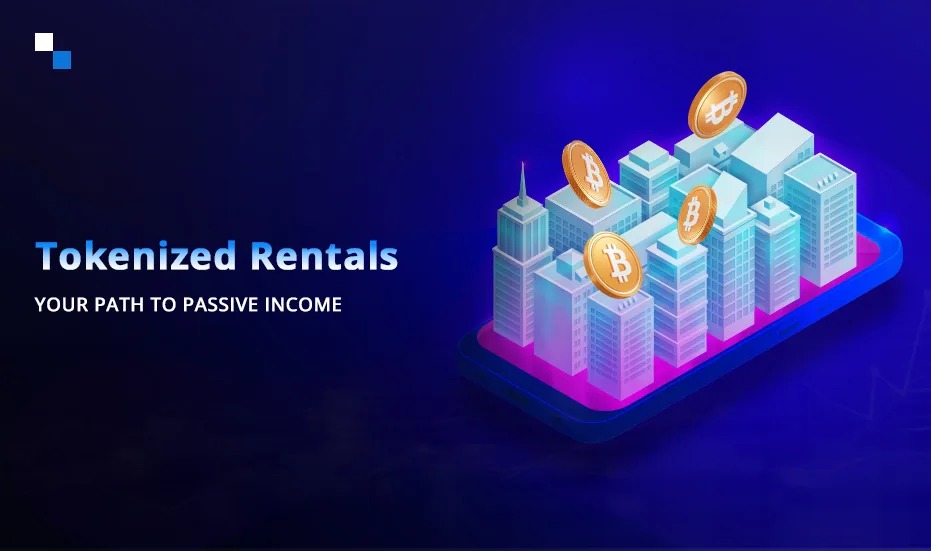
Rent cashflow tokens are digital claims on the net operating income of specific physical properties. Unlike traditional real estate investment trusts (REITs) or direct property ownership, these tokens separate the yield generation from equity appreciation. When you buy a rent cashflow token, you are purchasing a share of the rental income stream after operating expenses and debt service are paid. This structure transforms illiquid real estate assets into liquid, programmable financial instruments that can be traded on blockchain networks.
The core distinction lies in what you own. Traditional REITs offer ownership in a diversified portfolio of properties, where performance depends on the fund manager’s ability to select and manage assets. Direct ownership requires significant capital, manual management, and fragmented liquidity. Rent cashflow tokens, however, are tied to specific assets or pools of assets with transparent on-chain accounting. You receive distributions directly from the property’s cash flow, often calculated weekly or monthly, rather than relying on quarterly dividend payments from a corporate entity.
This model addresses the liquidity premium problem in real estate. Physical properties are notoriously difficult to sell quickly without significant price concessions. Tokenized rent cashflow allows investors to buy and sell fractional shares of rental income streams 24/7, much like equities. However, the underlying value remains anchored to the real-world performance of the property’s net operating income (NOI). This creates a hybrid asset class that combines the stability of real estate yields with the flexibility of digital securities.
Note: These tokens represent a claim on net operating income (NOI) from specific properties, not equity appreciation alone. Your returns are primarily driven by rental yields and expense management, not by the long-term increase in property value.
To understand the mechanics, consider the cash flow definition used in real estate: it is the net amount of money generated after all operating expenses and debt obligations are paid. Rent cashflow tokens tokenize this specific metric. The smart contracts governing these tokens automatically distribute the net cash flow to token holders based on their ownership percentage. This automation reduces administrative overhead and provides investors with near-real-time visibility into the income-generating performance of their assets.
While the concept is straightforward, the execution varies across platforms. Some tokens represent direct ownership of a single property’s cash flow, while others pool multiple properties to diversify risk. Understanding the specific structure of the token you are buying is essential, as it determines your exposure to vacancy risk, maintenance costs, and interest rate fluctuations on the underlying property debt.
Tracking the onchain rental yield market
Understanding the current state of rent cashflow tokens requires looking beyond theoretical models to live market data. The tokenized real estate sector is moving from experimental pilots to active trading environments, where price action and yield distributions are visible on-chain in real time. This transparency allows investors to compare onchain assets directly against traditional real estate investment trusts (REITs) and physical property markets.
Current yields for major tokenized real estate assets vary based on the underlying property type, geographic location, and leverage structure. While traditional commercial real estate yields have fluctuated with interest rate changes, tokenized funds often offer more granular exposure to specific asset classes, such as multifamily residential or industrial logistics. Investors are closely watching these yields to determine if the premium for liquidity and fractional ownership justifies the associated smart contract and regulatory risks.
To track these movements accurately, we rely on provider-backed data feeds that aggregate on-chain transactions and off-chain property performance. This approach avoids the lag inherent in quarterly financial reports, offering a near-real-time view of asset health. The following chart illustrates the recent price action and volume trends for a representative tokenized real estate index, reflecting broader market sentiment toward RWA (Real World Asset) tokens.
The correlation between traditional REITs and their tokenized counterparts remains a key metric for market maturity. As regulatory frameworks clarify and institutional adoption grows, the spread between onchain and offchain valuations is expected to narrow. Monitoring these trends provides a clearer picture of how rent cashflow tokens are being priced and perceived by the broader financial ecosystem.
How top rent cashflow token platforms stack up
When you are comparing rent cashflow tokens, the differences between platforms come down to three things: yield, liquidity, and jurisdiction. These factors determine your actual take-home return and how quickly you can exit a position.
Below is a side-by-side look at how the leading infrastructure providers compare. Use this to gauge whether a platform aligns with your risk tolerance and investment horizon.
| Platform | Min. Investment | Avg. Yield | Liquidity Mechanism | Primary Jurisdiction |
|---|---|---|---|---|
| RealT | $50 | 8-10% | Secondary Marketplace | US (Wyoming/LLC) |
| Lofty AI | $10 | 6-9% | In-App Swap | US (Florida/LLC) |
| Propy | $1,000+ | Varies | OTC/Pairing | Global (Varies) |
Yield isn't static. While the table shows average ranges, actual yields fluctuate with interest rates, local vacancy, and platform fees. Always check the current distribution rate on the platform before depositing funds.
Liquidity matters. Unlike traditional real estate, these tokens can be sold, but secondary markets can be thin. If you need to exit quickly, check the platform's swap volume or buyer depth first.
Jurisdiction is your legal shield. Most top platforms use US-based LLCs wrapped in tokens. This structure protects you under US property law, which is generally more transparent than offshore alternatives. Stick to platforms with clear, audited legal wrappers.
How to calculate rent cashflow tokens
Tokenized real estate sounds like a new financial instrument, but the math behind it is strictly traditional. Your yield isn't generated by blockchain magic; it comes from the net operating income of the underlying building. To verify that your rent cashflow tokens are actually profitable, you need to reverse-engineer the property's financials. If the spreadsheet doesn't work off-chain, the tokens won't work in your portfolio.
Start by identifying the gross scheduled rent. This is the total income the property collects if every unit is occupied at full market rate. Do not rely on "projected" or "expected" income figures. In tokenized offerings, sponsors sometimes inflate these numbers to make the deal look more attractive. You need the hard, scheduled rent from the lease roll, not the hopeful rent from a pitch deck.
Next, subtract vacancy and collection losses. A property is never 100% occupied, and some tenants will inevitably pay late or not at all. Standard industry practice assumes a 5% to 10% vacancy rate depending on the local market. If the tokenized asset's prospectus assumes 0% vacancy, treat that as a major red flag. This step strips away the optimistic fiction to reveal the realistic income base.
Now, deduct operating expenses. This includes property management fees, maintenance, insurance, taxes, and utilities. For tokenized assets, you must also account for the specific fees of the tokenization platform itself. These might include distribution fees, custody fees, or secondary trading costs. These on-chain costs can eat into your yield faster than you expect if they aren't clearly itemized in the offering documents.
Finally, subtract debt service if the property is leveraged. Most real estate is bought with a mortgage. Your net cash flow is what remains after the bank takes its cut. If the tokenized asset is debt-free, this step is zero, but you still need to verify that the property management fees and operating costs are accurately reflected. Only after these deductions can you determine the true distributable cash flow that backs your tokens.
Locate the total monthly or annual rent from the lease roll. Ignore projected income. This is the baseline revenue before any deductions.
Apply a standard vacancy rate (5-10%) to the gross rent. This accounts for empty units and unpaid bills, revealing realistic income.
Subtract property management, maintenance, taxes, and insurance. Crucially, also subtract any tokenization platform fees that reduce the final distribution.
If the property has a mortgage, subtract the monthly principal and interest payments. The remainder is the net cash flow available for token holders.
Risks in Tokenized Real Estate Infrastructure
Tokenized real estate promises liquidity, but it introduces technical and regulatory hazards that traditional property ownership avoids. When you buy a share of a rental property through rent cashflow tokens, you are no longer just a landlord; you are a participant in a complex digital ecosystem. Understanding these specific risks is essential before allocating capital.
Smart contract vulnerabilities remain the most immediate technical threat. Unlike a physical deed recorded in a county office, token rights are enforced by code. If the smart contract governing token transfers or dividend distributions contains a bug or is exploited by an attacker, investors can face total loss or frozen assets. This code risk has no equivalent in traditional real estate, where legal recourse is usually clearer, even if slower.
Regulatory uncertainty adds another layer of complexity. The legal status of security tokens varies by jurisdiction and is still evolving. Changes in securities laws could restrict secondary trading or alter tax treatment unexpectedly. Unlike physical real estate, where property rights are deeply entrenched in local law, tokenized assets depend on how regulators interpret existing frameworks, creating potential compliance gaps for holders.
Liquidity mismatches can also trap capital. While tokens trade on secondary markets, the underlying real estate is illiquid. If the property needs to be sold to cover expenses or repay debt, the process takes months or years. During this time, token prices may plummet below intrinsic value because sellers cannot wait for the property sale to complete. This disconnection between the digital price and the physical asset reality is a unique danger of onchain real estate.
Rent cashflow tokens: answering common yield: what to check next
Understanding how onchain rent cashflow tokens translate to real-world returns requires clarifying a few foundational real estate metrics. While token structures vary, the underlying math for evaluating rental yield remains consistent with traditional property analysis.
What is the 2% rule in rentals?
The 2% rule suggests a property is a good investment if the monthly rent equals at least 2% of the total purchase price. For example, a $200,000 property should rent for $4,000 monthly. This heuristic helps investors quickly screen for high-yield opportunities, though it is rarely achievable in high-cost markets today.
How to calculate cash flow for rental property?
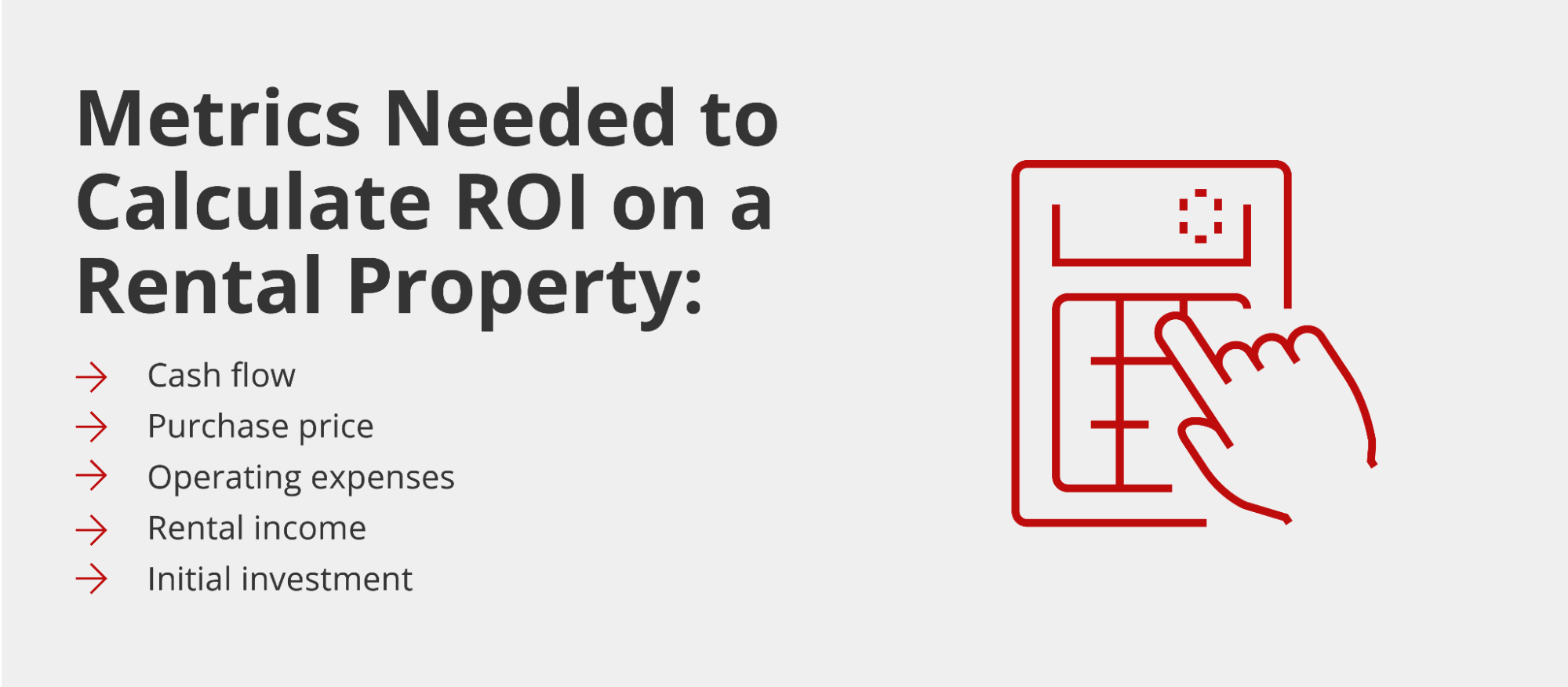
Cash flow is the net income remaining after all expenses are paid. As defined by industry standards, it is total rental income minus operating expenses, debt service, and capital expenditures. Positive cash flow indicates the property generates surplus income, while negative cash flow means you are subsidizing the investment monthly.
What is the 7% rule for rental property?
The 7% rule is a stricter screening tool that calculates the annual gross rent-to-price ratio. A property passes if the annual rent divided by the purchase price is at least 0.07 (or 7%). This metric accounts for annual variability better than the monthly 2% rule and is often used by institutional investors evaluating portfolios.
What is the 50% rule in rental property?
The 50% rule estimates that 50% of gross rental income will go toward operating expenses, excluding mortgage payments. This includes taxes, insurance, maintenance, and vacancy costs. It provides a quick, conservative estimate of net operating income without requiring a detailed line-item budget.
No comments yet. Be the first to share your thoughts!