What rent cashflow tokens actually are
Rent cashflow tokens are digital securities representing a claim on the net operating income (NOI) from specific real estate assets. Unlike direct ownership, you hold a financial instrument, not a deed. This structure isolates revenue streams, allowing fractional investment in property yields without managing tenants or maintenance.
The mechanism mirrors a Real Estate Investment Trust (REIT) but operates on-chain. A Special Purpose Vehicle (SPV) holds the property title, collects rent, pays expenses, and distributes the remaining cash flow to token holders via smart contracts. This transforms illiquid real estate yields into programmable, fractional income streams, typically distributed monthly or quarterly.
This model prioritizes yield over capital appreciation. While equity tokens rely on property value increases, cashflow tokens function like bond coupons backed by tangible assets. Investors receive periodic distributions directly to digital wallets, with on-chain data providing transparency rarely seen in private real estate partnerships.
How the tokens are built and secured
Rent cashflow tokens are engineered financial instruments. The foundation is an SPV that holds the legal title to the underlying rental property. This legal wrapper isolates the asset from the originator’s balance sheet, ensuring the property remains intact even if the platform fails.
Smart contracts automate the distribution of funds. When the SPV receives fiat rent, it triggers a transaction on the blockchain, converting cash into stablecoin distributions or token transfers. This process relies on rigorous smart contract audits to prevent exploits. Without independent code verification, the "trustless" nature of the asset is compromised, exposing investors to technical failure.
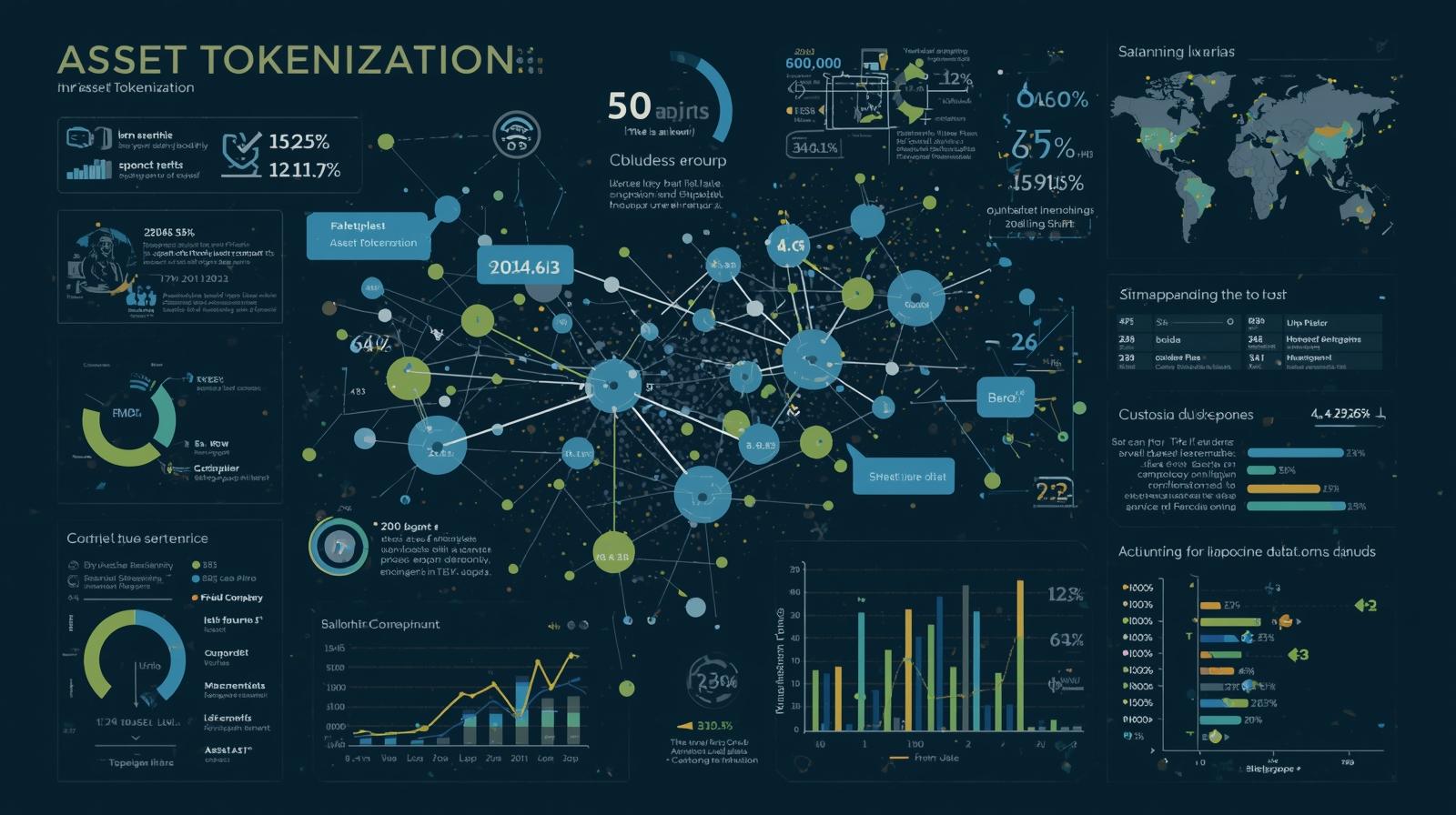
The flow of funds is the critical link between traditional real estate and decentralized finance. Fiat enters the SPV bank account, and the smart contract verifies receipt before minting or releasing tokens. Any delay in this off-ramp/on-ramp process can break the token’s value proposition. Investors must understand that yield depends entirely on the legal and operational integrity of this bridge.
Market context and correlation
While the legal structure provides security, token performance is often tied to broader crypto market dynamics. Even though the underlying asset is real estate, the token trades on exchanges where sentiment drives price. A drop in Bitcoin or Ethereum can depress RWA token prices, regardless of rental income.
This correlation means investors are exposed to both real estate fundamentals and crypto volatility. A robust legal wrapper and verified code are essential; without them, the token is merely a speculative asset with no real-world backing.
Comparing yield structures and fees
The headline APY is rarely the final return. Net yield is determined by friction between gross rent and costs like platform management fees, liquidity fees, and blockchain gas costs. Ignoring these expenses can turn a promising 8% yield into a disappointing 4%.
The following comparison highlights structural differences between representative platform tiers. These figures are illustrative; gas costs fluctuate, and fee structures change. Always verify current schedules on the provider's official dashboard.
| Platform Tier | Min. Investment | Est. Net APY | Liquidity Terms | Jurisdiction |
|---|---|---|---|---|
| Institutional Tier | $100k+ | 5-7% | Quarterly lockups | US (SEC Reg D) |
| Pro Retail Tier | $10k+ | 6-8% | Monthly windows | US (Reg A+) |
| Global Retail Tier | $500 | 7-10% | Secondary market | Offshore (STO) |
| Micro Fractional Tier | $50 | 4-6% | Instant (high gas) | Varies (DeFi) |
The hidden drag of management fees
Management fees typically range from 1% to 3% of gross rental income, covering property management, maintenance, and insurance. Institutional tiers offer lower fees due to scale but require high minimums. Micro-fragmental platforms have higher per-unit costs, compressing net yield. Compare platforms using "net operating income" (NOI) margins rather than gross rent.
Liquidity terms and exit costs
Liquidity is the primary risk. Unlike stocks, you cannot always sell instantly. Institutional and pro-retail tiers often impose quarterly or monthly lockups to align with property cash flow cycles. Exiting during a downturn may require selling at a discount or waiting for the next window. Global retail platforms offer secondary markets, but these often suffer from low volume and wide bid-ask spreads.
Gas costs and transaction friction
On public blockchains, gas fees can erode small investments. A $20 gas fee on a $500 investment is a 4% immediate loss. Micro-fragmental tokens are inefficient for small portfolios unless the blockchain uses layer-2 scaling with near-zero fees. Factor in entry and exit costs, especially for frequent trading.
Jurisdiction and regulatory protection
Regulatory jurisdiction dictates legal recourse. US-regulated platforms (Reg D, Reg A+) offer investor protections and tax clarity but have stricter compliance costs that reduce yield. Offshore or DeFi platforms may offer higher yields but provide little legal protection if the platform fails. For high-stakes capital, the regulatory framework is as important as the yield.
Liquidity risks and secondary markets
Real estate is inherently illiquid. Rent cashflow tokens promise a secondary market for trading shares, but the reality is complex. Unlike the NYSE, there is no centralized, liquid marketplace. Finding a buyer is not guaranteed, and the process is often slow, expensive, and opaque.
The primary risk is the "exit gap." You are committing to a long-term hold. If you need to sell before the property is refinanced or sold, you must find a counterparty. There is no market maker ensuring a price. You are left hunting for a buyer in a thin market, often at a significant discount to net asset value. This illiquidity trap can lock up capital for years.
Secondary markets are still in their infancy. Internal exchanges often have low volumes, while peer-to-peer matching requires active effort. Traditional real estate exits, while slow, are predictable and regulated. Tokenized exits lack this infrastructure, leaving investors exposed to counterparty risk.
The chart above shows the Vanguard Real Estate ETF (VNQ), a proxy for traditional real estate performance. It shows steady, long-term trends with occasional volatility. Selling tokenized shares during a dip is riskier; without a deep buyer pool, exit prices can plummet, and finding a buyer may take months. Always weigh liquidity risk against potential yield.
Key Metrics for Rent Cashflow Tokens Analysis
Before investing, look past projected yield and verify the underlying math. Tokenization increases transparency but doesn't eliminate real estate risks. Validate the data points driving the distribution schedule.
DSCR is your primary safety buffer, measuring net operating income against annual debt payments. A ratio below 1.0 means the property loses money on its mortgage. For tokenized real estate, look for a DSCR of at least 1.25 to ensure cash covers payments even if vacancy rises. Weak coverage in the SPV puts token distributions at high risk of being paused.

Issuers often use optimistic vacancy rates to boost yields. Check if these align with local market data. If an issuer assumes 2% vacancy in a 6% historical market, projections are likely inflated. Look for conservative underwriting that accounts for seasonal fluctuations. If the model doesn't show cash flow changes during rent drops, treat returns with skepticism.
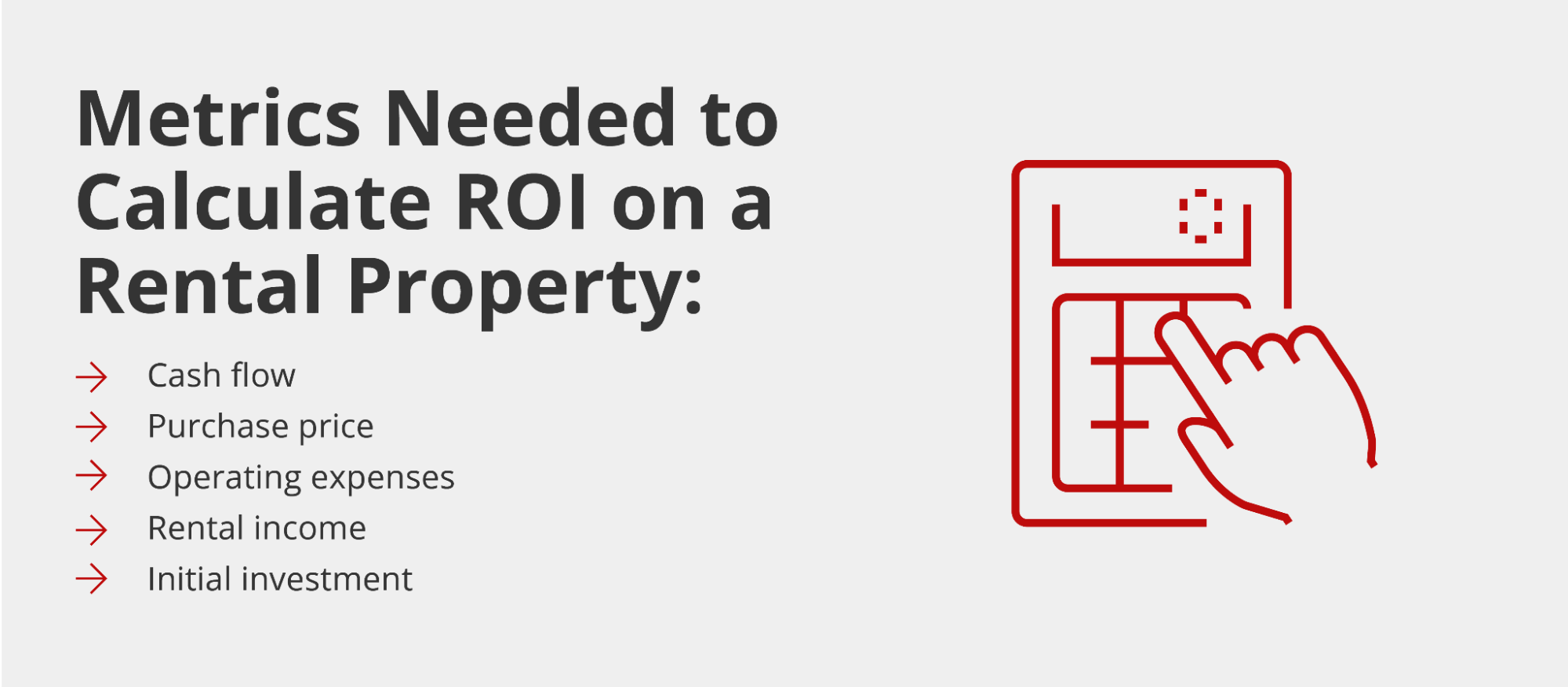
Not all tokens pay monthly. Some distribute quarterly or only upon asset sale. Verify the schedule in the smart contract or offering memorandum. Confirm whether distributions come from net operating income (NOI) or include return of capital. Distributions including return of capital erode your principal investment.
The chart above shows a major real estate ETF, providing context for how broader markets impact tokenized assets. While tokens offer direct property exposure, they face macroeconomic headwinds. Compare the token’s projected yield against broader benchmarks to ensure the risk premium is justified.
Frequently asked: what to check next
How does tokenization affect my tax liability?
Tokenized real estate income is typically taxed as ordinary income or capital gains depending on the structure (SPV vs. DAO) and your jurisdiction. US investors in Reg D/A+ offerings usually receive a K-1 or 1099 form, similar to traditional partnerships. Offshore structures may have different tax reporting requirements. Consult a tax professional familiar with digital assets.
What happens if the property owner defaults on the mortgage?
If the SPV defaults, the token holders are unsecured creditors relative to the mortgage lender. In foreclosure, the property is sold to pay the lender first. Token holders may receive residual funds if the sale price exceeds the debt, but this is not guaranteed. The legal structure determines your priority in the capital stack.
Can I use rent cashflow tokens as collateral for loans?
Currently, most platforms do not allow using tokens as collateral for traditional loans due to liquidity and valuation risks. Some DeFi platforms may accept them as collateral in lending protocols, but this introduces smart contract risk and liquidation risk. This is an emerging feature, not a standard offering.
How are operating expenses deducted from the yield?
Operating expenses are paid directly from the rental income collected by the SPV before distributions are made to token holders. The smart contract distributes the net amount. You do not pay additional fees for maintenance or repairs; these are already factored into the net yield calculation.
Helpful gear
Use these product recommendations as a starting point, then choose the size, material, and price point that fit how you actually use the gear.


As an Amazon Associate, we may earn from qualifying purchases.
No comments yet. Be the first to share your thoughts!