What rent cashflow tokens actually are
Rent cashflow tokens represent a specific slice of the broader real estate tokenization market. Unlike equity tokens, which grant ownership stakes in a property company or fund, or general real estate tokens that might track property values, rent cashflow tokens are designed to distribute rental income directly to holders. This distinction is critical for investors seeking yield rather than capital appreciation.
Think of these tokens as digital receipts for rent. When a tenant pays their monthly rent, that cash is collected, operational expenses are deducted, and the remaining net income is distributed proportionally to token holders. This structure creates a direct link between the asset's performance and the investor's return, bypassing the complex dividend structures often found in traditional REITs.
The mechanism relies on smart contracts to automate the flow of funds. Once the property generates income, the contract executes the distribution without the delays typical of traditional banking or corporate payout schedules. This transparency allows investors to verify that the cash flow they receive matches the actual rental income generated by the underlying asset.
While the technology is new, the underlying concept mirrors traditional private lending or direct property ownership. However, the tokenization layer adds liquidity and fractional access. Investors can buy small portions of high-yield rental properties that would otherwise require significant capital. This accessibility is a primary driver behind the growing interest in rent cashflow tokens analysis, as it democratizes access to real estate yields.
It is important to distinguish these from utility tokens or governance tokens. Rent cashflow tokens are financial instruments with a clear economic purpose: to deliver income. They do not grant voting rights on property management decisions or access to platform features. Their value is derived almost entirely from the consistency and growth of the rental income stream they represent.
How onchain real estate is changing
Rent cashflow tokens analysis shows that the infrastructure behind these assets has shifted from experimental to operational. In 2026, the gap between traditional real estate and blockchain is closing, but the path is paved with new technical and regulatory hurdles.
The most significant change is the integration of stablecoins for rent collection and distribution. Instead of waiting for traditional bank transfers, smart contracts now handle monthly payments in real-time. This reduces friction and ensures investors receive their share immediately, but it requires robust legal wrappers to ensure compliance with local property laws.
Regulatory clarity remains the primary constraint. While stablecoin integration offers efficiency, it also brings scrutiny. Investors must navigate varying state and federal regulations regarding security tokens. This means that while the technology is ready, the legal framework is still evolving, creating a complex landscape for those looking to enter the market.
The market is reacting to these shifts. The chart above shows recent price action for a leading RWA token, reflecting investor sentiment on the potential of onchain real estate. As infrastructure improves, we expect more institutional capital to flow into this sector, driven by the promise of higher yields and lower entry barriers.
Comparing yield models and platforms
When analyzing Rent Cashflow Tokens, the structure of the yield source dictates both the risk profile and the liquidity terms. Platforms generally fall into two categories: those backed by direct equity in single-family rentals and those utilizing debt-like structures or pooled REITs. Understanding these differences is essential for accurate Rent Cashflow Tokens analysis, as the mechanics of payout distribution vary significantly between them.
Equity-backed platforms vs. pooled REIT structures
Equity-backed platforms, such as those emerging from the PropTech sector, often tokenize specific properties. This model offers transparency into the underlying asset, allowing investors to see the exact tenant base and property condition. However, these tokens typically have longer lock-up periods, as selling a fractional share on a secondary market can be slower than selling a publicly traded REIT share. The yield here is derived directly from net operating income (NOI) minus mortgage payments and operating expenses.
In contrast, pooled REIT structures aggregate capital across hundreds of properties. This diversification reduces idiosyncratic risk but often comes with higher management fees. The yield is usually distributed as dividends, which may be taxed differently than direct rental income. For investors prioritizing liquidity, publicly traded REITs offer immediate entry and exit, though they are subject to broader market volatility that does not always correlate with rental fundamentals.
Key metrics for side-by-side comparison
To evaluate these options, we compare minimum investment thresholds, yield sources, and liquidity constraints. The following table outlines the general characteristics of the two primary structures found in the current Rent Cashflow Tokens analysis landscape.
| Feature | Equity-Backed Tokens | Pooled REIT Structures |
|---|---|---|
| Yield Source | Direct NOI from specific properties | Aggregate dividends from portfolio |
| Minimum Investment | Often $100 - $5,000 | $0 - $100 (market price) |
| Liquidity | Limited (secondary market or buyback) | High (daily market trading) |
| Management Fees | Lower (direct property management) | Higher (0.5% - 2% AUM) |
| Tax Treatment | Pass-through (K-1 or 1099) | Qualified dividends (1099-DIV) |
Assessing liquidity and exit strategies
Liquidity is often the deciding factor in Rent Cashflow Tokens analysis. Equity-backed tokens may offer buyback programs where the issuer repurchases shares at a predetermined formula, providing a predictable exit but potentially at a discount during market downturns. Pooled structures allow for instant sales on public exchanges, but the exit price is determined by market sentiment, which can deviate from the underlying asset value.
Investors must weigh the convenience of immediate liquidity against the potential for higher net yields offered by direct equity models. For long-term hold strategies, the lower fees and direct asset control of equity-backed tokens often result in better compounding. For those needing flexible capital access, pooled structures provide a more liquid, albeit potentially lower-yielding, alternative.
Risk factors and regulatory headwinds
Use this section to make the Rent Cashflow Tokens analysis decision easier to compare in real life, not just on paper. Start with the reader's actual constraint, then separate must-have requirements from details that are merely nice to have. A practical choice should survive normal use, maintenance, timing, and budget. If a recommendation only works in an ideal situation, call that out plainly and give the reader a fallback path.
The simplest way to use this section is to write down the must-have criteria first, then compare each option against those criteria before weighing nice-to-have features.
How to evaluate rent cashflow tokens
Tokenized rentals promise liquidity, but the underlying asset remains a physical building with real-world expenses. To perform accurate Rent Cashflow Tokens analysis, you must look past the token price and focus on the operational health of the underlying portfolio. The goal is to verify that the net operating income (NOI) actually supports the yield being offered to token holders.
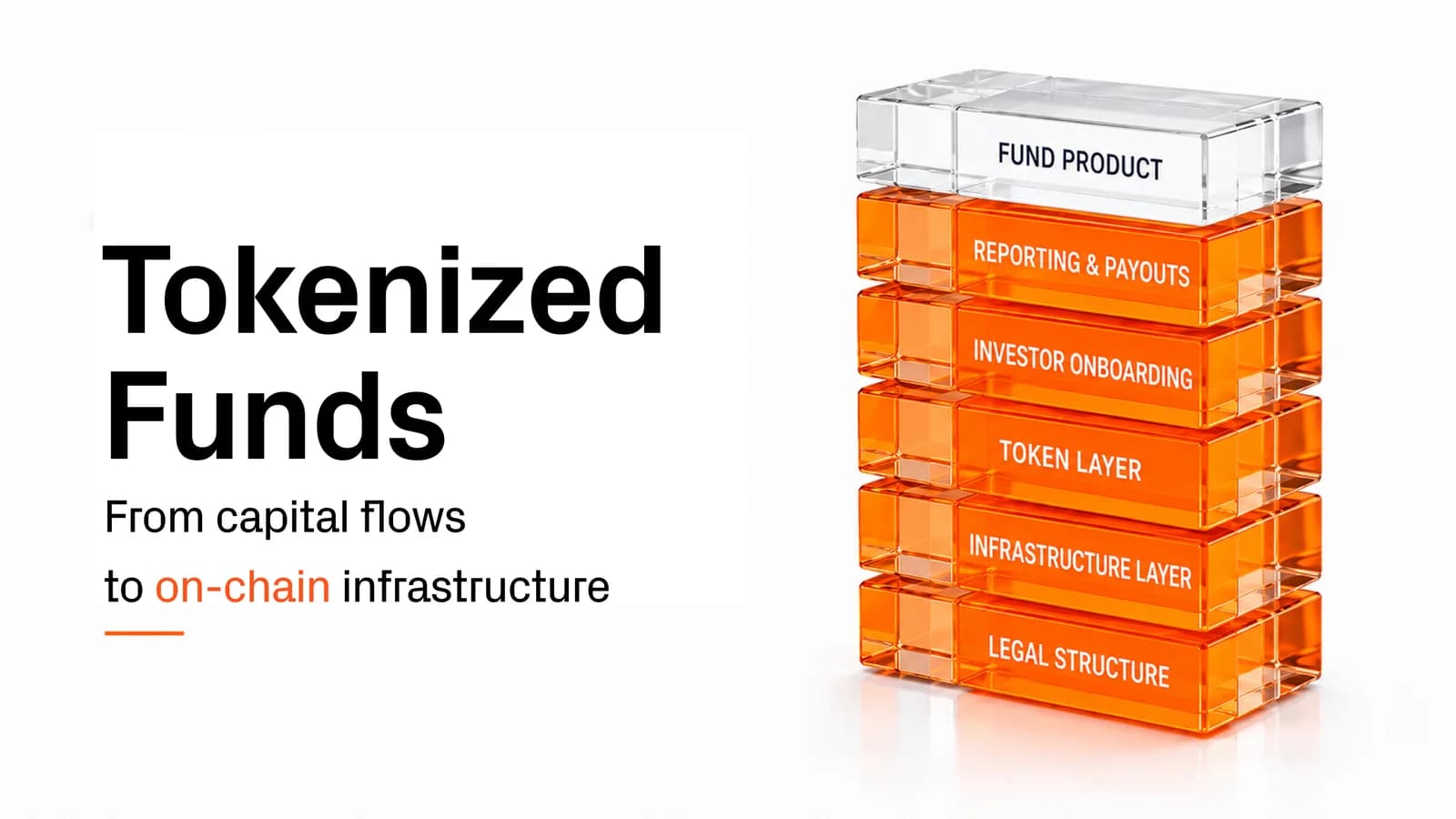
Start by checking the portfolio’s occupancy rates. A tokenized asset is only as strong as its tenants. Look for historical occupancy data that shows consistency, not just current snapshots. High vacancy rates directly erode the cash flow distributed to token holders, making revenue stability the first metric to audit.
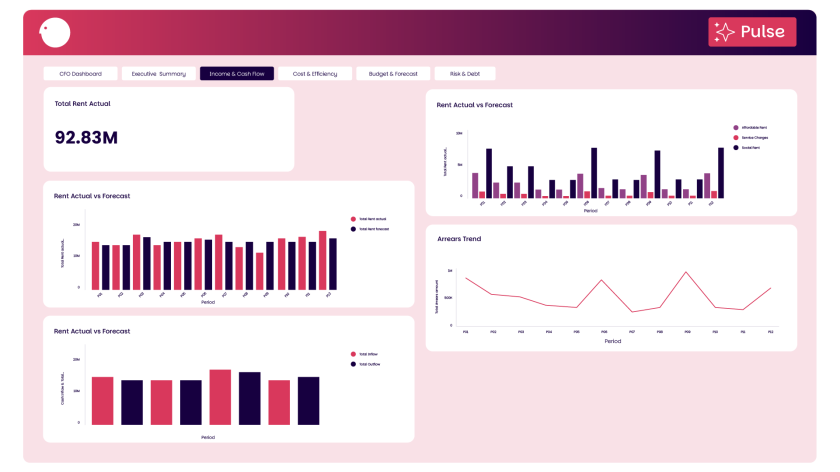
You must ensure the property’s income can comfortably cover its mortgage payments. The Debt Service Coverage Ratio (DSCR) is the standard measure for this. A DSCR below 1.0 means the property is losing money on its operations. For tokenized assets, a DSCR of at least 1.25 is generally considered safe, providing a buffer against unexpected vacancies or maintenance costs.
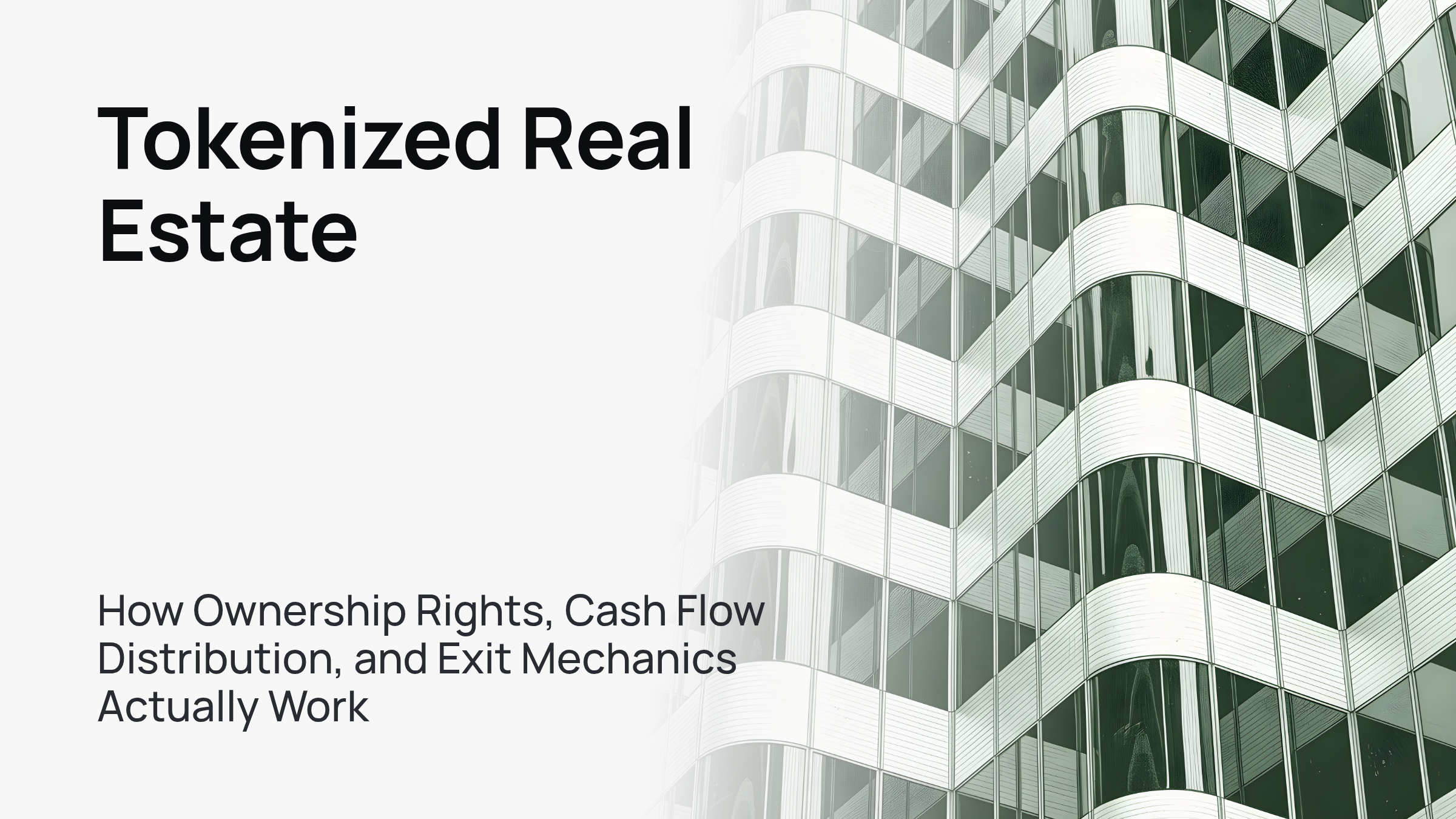
Net operating income is gross income minus operating expenses. Scrutinize the expense ratio to ensure it isn’t inflated by poor management or deflated by deferred maintenance. A healthy tokenized rental should maintain a dedicated capital expenditure reserve. This fund covers major repairs like roof replacements or HVAC updates without dipping into the cash flow meant for investors.
Finally, run a stress test on the projected yield. What happens to your returns if interest rates rise or vacancy increases by 10%? Tokenized real estate often relies on optimistic growth assumptions. By modeling a worst-case scenario, you can determine if the token’s yield is sustainable or if it is artificially high due to low interest rates that may not persist.
Frequently asked questions about tokenized rents
How do I analyze a rental property for cash flow? To determine cash flow, subtract total operating costs and mortgage payments from gross rental income. For Rent Cashflow Tokens analysis, we also track the Internal Rate of Return (IRR), which measures the annualized growth rate of the investment over time. This helps distinguish between nominal yield and actual compounded performance.
Are tokenized real estate assets liquid? Unlike physical property, which can take months to sell, tokenized assets trade on secondary markets. However, liquidity depends on the platform's order book depth. While you can exit positions faster than traditional real estate, market conditions may still impact the speed and price of your exit.
How are taxes handled for token holders? Tax obligations generally mirror those of direct real estate ownership. You are typically responsible for reporting your share of rental income and capital gains. Because the token is a security, you must consult a tax professional to understand how distributed dividends and eventual token sales are classified in your jurisdiction.
Is the yield sustainable long-term? Yield sustainability relies on the underlying property's ability to cover expenses and maintain occupancy. Tokenization does not change the fundamental economics of rent collection. Investors should scrutinize the property's historical occupancy rates and management fees, as these directly impact the net cash flow distributed to token holders.
No comments yet. Be the first to share your thoughts!