What the rent cashflow tokens strategy actually is
The rent cashflow tokens strategy turns physical rental properties into digital shares that distribute actual rental income to holders. Instead of buying a whole building or investing in a traditional REIT, you buy a token that represents a fractional stake in a single property. When tenants pay rent, that money flows through a smart contract and lands directly in your wallet, usually on a monthly basis.
This structure is fundamentally different from a REIT. In a traditional REIT, the company collects rent, pays expenses, and then declares a dividend. You are waiting for the company to process and distribute the money, which can take weeks. With rent cashflow tokens, the distribution is automated and near-instant. The money moves from the tenant to the property’s bank account, then to the token smart contract, and finally to your digital wallet. There is no middleman holding the cash.
To make this work, the system relies on a Special Purpose Vehicle (SPV) and oracles. An SPV is a legal entity set up specifically to own the property. This isolates the asset from the issuer’s other debts. If the issuer goes bankrupt, your token still represents ownership of that specific house. An oracle is a bridge between the real world and the blockchain. It takes proof of payment from the property manager or bank and feeds that data into the smart contract so the right amount of rent can be distributed to token holders.
The result is a distinct asset class that offers the liquidity of crypto and the yield of real estate. You aren’t just betting on price appreciation; you are buying a slice of a cash-generating machine. This approach lowers the barrier to entry, allowing investors to start with small amounts while still accessing the stable, recurring income that makes real estate attractive.
Core infrastructure for tokenized rentals
A rent cashflow token strategy relies on a stack of technical and legal layers working in tandem. Without this foundation, the promise of automated rent distribution remains just a concept. The system connects physical property rights with digital ledger entries, ensuring that income flows reliably from tenant to investor.
The legal wrapper: SPVs
At the heart of most tokenized real estate models is a Special Purpose Vehicle (SPV). This is a separate legal entity, typically a limited liability company, that holds the deed to the physical property. The SPV isolates the asset from the platform’s other operations, protecting investors if the issuer faces financial trouble. When a tenant pays rent, it goes into the SPV’s bank account. The SPV then becomes the legal owner of the cash flow rights, which are represented by the tokens.
The blockchain layer
The tokens themselves live on a blockchain, usually Ethereum or a compatible Layer 2 network. This ledger records every token holder’s balance. It is immutable and transparent, meaning anyone can verify who owns a share of the property. Unlike traditional real estate, where transferring a deed can take weeks, blockchain transfers settle in minutes. This liquidity is a major advantage for the rent cashflow token strategy, allowing investors to exit positions without waiting for a buyer for the entire building.
Oracles: The bridge between worlds
Blockchains cannot see the real world. They do not know when a rent check clears or when a utility bill is paid. This is where oracles come in. An oracle is a secure data feed that brings off-chain information onto the blockchain. In this context, an oracle verifies that rent has been collected and triggers a smart contract to distribute payments to token holders. Without this bridge, the automation fails, and investors would have to manually verify payments, defeating the purpose of tokenization.
Why this matters for yield
This infrastructure reduces the friction and cost associated with traditional real estate investing. By automating distribution and legal compliance, platforms like RealT can offer fractional ownership with lower minimums. The result is a more accessible entry point for yield-seeking investors. However, the reliability of your yield depends entirely on the integrity of these three layers: the legal SPV, the blockchain ledger, and the oracle data feed. If any one fails, the cashflow stops.


As an Amazon Associate, we may earn from qualifying purchases.
Market research and yield optimization
Before you buy a tokenized slice of a rental property, you need to understand the underlying asset. Think of rent cashflow tokens as a mirror of traditional real estate investing, but with digital liquidity. The due diligence process is identical: you are buying a share of a business that collects rent. If the property doesn't cash flow, the token doesn't pay out.
Analyze the cash flow
Yield optimization starts with accurate cash flow analysis. You must look beyond the gross rent to understand net operating income (NOI). This means subtracting all operating expenses—property management, maintenance, insurance, and taxes—from the rental income. A common mistake is ignoring vacancy rates. Even in strong markets, units sit empty. A prudent analysis assumes a 5-10% vacancy buffer to ensure the property remains profitable during downturns.
Evaluate market selection
Location dictates long-term stability. Look for markets with consistent job growth, population inflow, and affordable entry prices. High-growth cities may offer appreciation, but stable markets often provide more predictable cash flow. Research local rent-to-income ratios; if rents are too high relative to local wages, tenant turnover will increase, eating into your returns.
Tokenized vs. Traditional Real Estate
Tokenization changes how you enter and exit these positions. While the underlying asset is still physical real estate, the investment vehicle is digital. This creates distinct trade-offs in liquidity, entry barriers, and yield stability compared to buying a physical property or a REIT.
| Feature | Rent Cashflow Tokens | Physical Property | Public REITs |
|---|---|---|---|
| Liquidity | High (secondary markets) | Low (months to sell) | High (daily trading) |
| Entry Barrier | Low ($10-$100) | High (20% down payment) | Low ($10+) |
| Yield Stability | Variable (SPV dependent) | Stable (direct control) | Stable (dividend history) |
| Management | Passive (platform handles) | Active (owner handles) | Passive (professional) |
| Transparency | High (on-chain data) | Low (private records) | Medium (quarterly reports) |
Understanding the structure
When investing in rent cashflow tokens, you are typically buying shares in a Special Purpose Vehicle (SPV). An SPV is a separate legal entity created to hold the property. This structure isolates risk; if the broader company fails, your property share is generally safe. However, you must trust the platform's legal framework and the accuracy of the oracles feeding data to the blockchain. Oracles are external services that verify real-world data, like rent payments, and record them on-chain. Without reliable oracles, the token's yield cannot be accurately distributed.
Note: The widget above tracks Bitcoin for market context. Rent cashflow tokens are distinct assets tied to real estate performance, not crypto speculation.
Executing your rent cashflow tokens strategy
Building a portfolio of tokenized real estate requires a disciplined workflow. Unlike buying a single rental property, this strategy involves navigating digital infrastructure, legal structures, and market volatility simultaneously. You need a clear process to ensure your yield is real, not just a token on a screen.
Step 1: Verify the legal structure and SPV
Before buying, confirm the Special Purpose Vehicle (SPV) backing the tokens. An SPV is a separate legal entity that holds the property, isolating your investment from the issuer’s other debts. Check if the SPV is registered in a jurisdiction with strong property laws and if the token contract legally represents ownership or just a profit-sharing right.
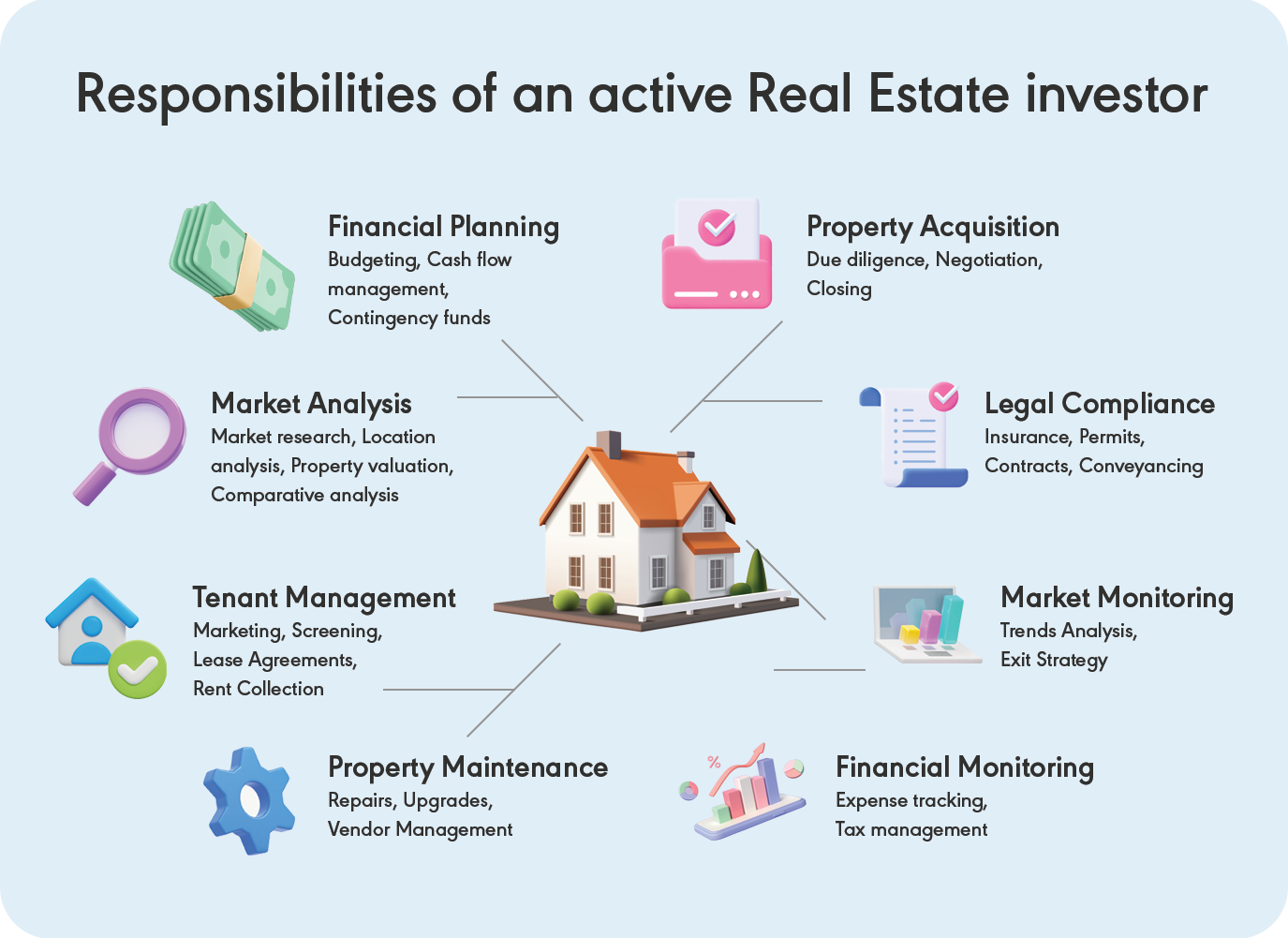
Confirm the SPV is a distinct legal entity. Ensure the token contract explicitly grants rights to the underlying property’s cash flow. Look for audits from reputable firms that verify the legal link between the token and the physical asset.
Step 2: Assess oracle reliability
Tokenized rent relies on "oracles"—data feeds that report rental income and property expenses to the blockchain. If the oracle fails or reports incorrectly, your yield calculations will be wrong. Choose platforms that use multiple, independent data sources to verify cash flow events, reducing the risk of a single point of failure.
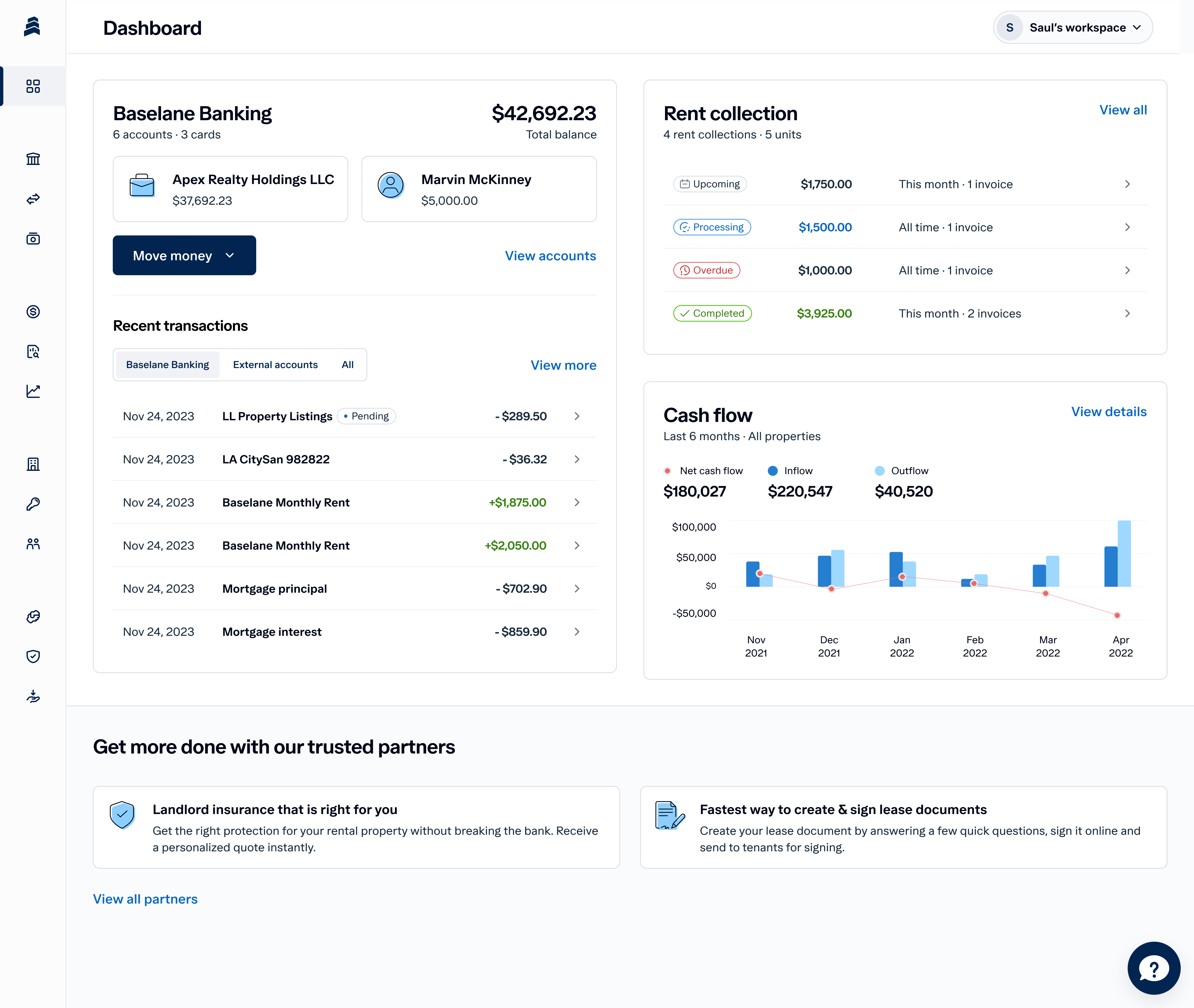
Oracles are the bridge between physical rent payments and digital tokens. Select platforms that use redundant data feeds to verify income. This ensures that if one data source fails, the yield distribution remains accurate and trustworthy.
Step 3: Diversify across property types and geographies
Don’t put all your capital into one tokenized building. Spread your investment across different property types (multifamily, industrial, retail) and regions. This protects you from local market downturns. A vacancy in a single unit shouldn’t derail your entire portfolio’s cash flow.
Spread your capital across different asset classes and regions. This reduces exposure to local economic shocks. A vacancy in one property shouldn’t derail your entire portfolio’s cash flow, ensuring more stable monthly returns.
Step 4: Monitor and rebalance regularly
The tokenized real estate market moves fast. Set a schedule to review your holdings. If a property’s occupancy drops or interest rates shift significantly, consider selling your tokens to rebalance. Use market data to decide when to exit or add to positions, keeping your yield targets intact.
Set a regular review schedule. If a property’s occupancy drops or interest rates shift, consider selling your tokens to rebalance. Use market data to decide when to exit or add to positions, keeping your yield targets intact.
Frequently asked questions about tokenized rent
How are rental distributions handled? Rent isn't paid directly to your wallet. The property is owned by a Special Purpose Vehicle (SPV), a legal entity that collects rent from tenants and pays it to the token platform. The platform then distributes the net cash flow to token holders, usually on a monthly basis. This structure keeps the legal ownership clean while allowing you to receive passive income.
What happens if the underlying property is sold? Your tokens represent a share of the SPV, not the physical building. If the property is sold, the SPV receives the proceeds, and the platform typically distributes the capital gains to token holders proportionally. This means you participate in the upside of the sale without needing to manage a property sale yourself.
Is this investment regulated? Tokenized real estate is subject to securities laws in most jurisdictions. Platforms like RealT operate under specific exemptions, such as Reg D or Reg S in the United States, which restrict participation to accredited or qualified investors. Always verify the regulatory status of the platform and the specific offering before investing.
Can I sell my tokens anytime? Liquidity is limited compared to stocks. While secondary markets exist, they are not as deep as traditional exchanges. Selling often depends on buyer demand and platform-specific rules. You may face delays or discounts if you need to exit quickly, so treat these tokens as a long-term hold rather than a liquid asset.
What risks are specific to this strategy? Beyond market volatility, you face platform risk (the tech or company behind the tokens) and property risk (vacancy, maintenance, or local regulation changes). Unlike direct ownership, you rely on the platform to handle tenant issues and property management, adding a layer of counterparty risk to your cashflow strategy.
No comments yet. Be the first to share your thoughts!