What rent cashflow tokens are
Rent cashflow tokens represent fractional ownership in physical rental properties. When you buy these tokens, you are not purchasing a speculative crypto asset or a utility token for a platform. You are acquiring a digital share of a real-world building, such as an apartment complex or single-family home, that generates actual rental income.
This structure bridges traditional real estate investing with blockchain technology. The underlying property collects rent from tenants. After operating expenses and debt service are paid, the remaining profit is distributed to token holders. This distribution typically happens automatically via smart contracts, allowing you to receive a proportional share of the monthly cash flow without managing tenants or repairs yourself.
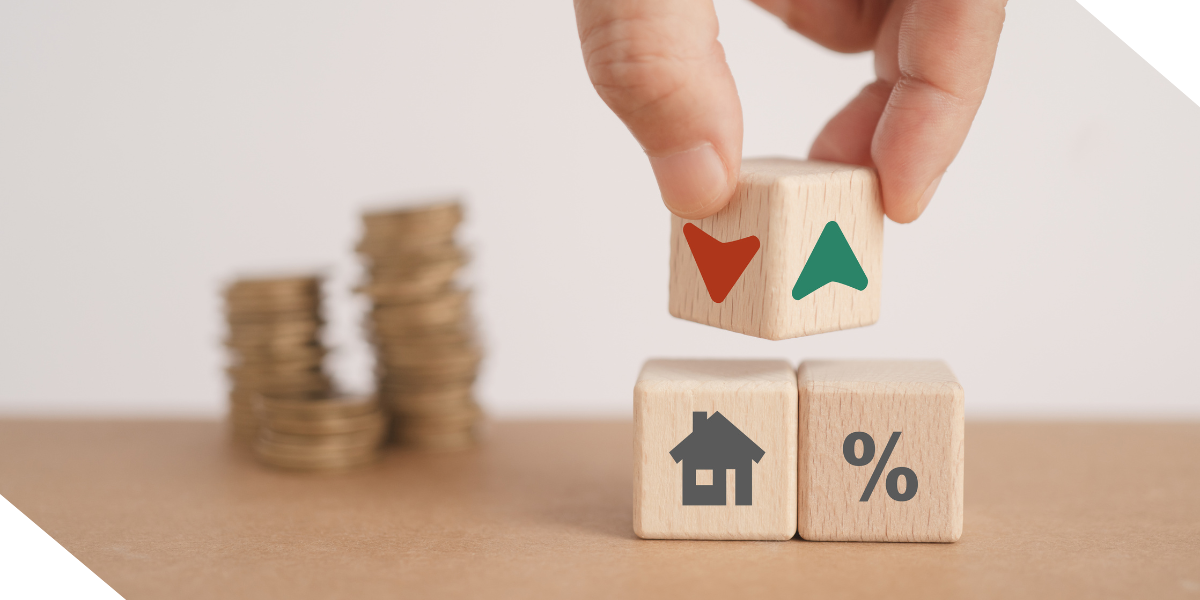
The primary goal of rent cashflow tokens is to democratize access to real estate. Historically, buying rental property required significant capital for down payments and closing costs. Tokenization lowers this barrier, allowing investors to participate in high-quality real estate portfolios with smaller amounts of money. This fractional model also diversifies risk; instead of putting all your capital into one house, you can spread your investment across multiple properties in different markets.
How to buy your first rent cashflow token
Buying rent cashflow tokens is not like purchasing a stock on Robinhood. Because these assets are securities, you must navigate strict regulatory gates before you can spend a dollar. The process requires verifying your legal status, selecting a platform that holds the right licenses, and funding an account that meets specific compliance standards.
Follow this workflow to acquire your first token safely and correctly.
Most rent cashflow tokens are restricted to accredited investors under SEC Regulation D. You must prove you meet income or net worth thresholds before any platform will let you trade. This is not a formality; it is a legal requirement. If you are not accredited, you may be limited to specific Regulation A+ offerings, which have lower investment minimums but still require identity verification.
Not all fintech apps offer tokenized real estate. You need a platform that is registered with the SEC and FINRA. Look for platforms that explicitly state their regulatory framework (e.g., as a Broker-Dealer or Funding Portal). Avoid any site that promises high yields without disclosing the legal entity holding the underlying property. Due diligence here prevents you from losing capital to unregulated schemes.
Platforms typically accept bank transfers (ACH/Wire) or sometimes crypto, but fiat is standard for compliance. Ensure the platform uses a custodian for your funds, meaning your money is held separately from the company’s operating accounts. This segregation is critical for your protection if the platform faces financial distress.
Once your account is verified and funded, browse available listings. Each token represents a fractional share of a rental property’s cash flow. Review the property’s details, including projected yield and management fees, before confirming the purchase. After the transaction, your tokens will appear in your digital wallet, and you will begin receiving distributions as the property collects rent.
Calculate expected monthly yield
Rent Cashflow Tokens works best as a clear sequence: define the constraint, compare the realistic options, test the tradeoff, and choose the path with the fewest hidden costs. That order keeps the advice usable instead of decorative. After each step, pause long enough to check whether the recommendation still fits the reader's actual situation. If it depends on perfect timing, unusual access, or a best-case budget, include a simpler fallback.
| Factor | What to check | Why it matters |
|---|---|---|
| Fit | Match the option to the primary use case. | A good deal still fails if it does not fit the job. |
| Condition | Verify age, wear, and service history. | Hidden condition issues erase upfront savings. |
| Cost | Compare purchase price with likely upkeep. | The cheapest option is not always the lowest-cost option. |
Track distributions and fees
On-chain cashflow tokens change the game for tracking income, but you still need to know where to look. Unlike traditional REITs that send quarterly PDFs, tokenized real estate distributes yield automatically to your wallet. This transparency is powerful, but it requires a different monitoring routine.
Monitor the distribution stream
Your primary task is verifying that distributions hit your wallet on schedule. Most tokenized property funds operate on a monthly or quarterly cycle, depending on the underlying lease terms. Check your wallet balance and cross-reference it with the fund’s official distribution calendar. If a payment is missing, don’t panic immediately—blockchain transactions can lag, or the issuer might be processing a delay due to maintenance.
To stay informed, subscribe to the fund’s official announcements. Many issuers use platforms like Discord or Telegram to notify holders of upcoming distributions or fee adjustments. This is your first line of defense against missing income. You can also use block explorers to track the contract address directly, ensuring the funds are coming from the correct treasury wallet and not a phishing site.
Audit the underlying property performance
Receiving the payment is only half the story. You need to understand why you received it. The yield on your token is derived from the actual rental income of the underlying property. If rents drop or vacancies rise, your distribution will shrink. Look for quarterly performance reports from the issuer. These reports should detail occupancy rates, net operating income (NOI), and any major capital expenditures that might have eaten into the profit.
Think of it like this: the token is just the receipt; the property is the engine. If the engine sputters, the receipt will be smaller. Don’t just watch the wallet balance—watch the property metrics. A sudden drop in distribution might signal a tenant default or unexpected repair costs, not just a blockchain glitch.
Watch for hidden fees
Fees can silently erode your returns. Most tokenized real estate funds charge a management fee, often between 1% and 2% of assets under management, plus a performance fee if the property exceeds a certain return threshold. These fees are usually deducted before distributions are calculated, so they don’t appear as separate line items in your wallet.
To see the true impact, compare your net distribution against the gross rental income reported in the fund’s performance update. If the gap widens over time, fees might be eating into your yield. Always read the fund’s prospectus or offering memorandum to understand the fee structure. Knowing what you’re paying helps you decide if the net return is still worth the hassle.
Use tools to simplify tracking
Manually checking every wallet and report is tedious. Use portfolio trackers that support ERC-20 tokens to automate this process. Tools like DeBank or Zapper can aggregate your token holdings and show historical distribution data in one place. This gives you a clear view of your total yield over time, making it easier to spot trends or anomalies.
Some issuers also provide dedicated dashboards for investors. These dashboards often include real-time data on property occupancy, rent rolls, and upcoming distributions. If your issuer offers one, use it. It’s the most accurate source of truth for your specific investment.
Common Mistakes in Token Investing
Rent cashflow tokens promise passive income, but the mechanics of tokenized real estate introduce specific risks that traditional landlords rarely face. Treating these assets like standard stocks or crypto tokens is the fastest way to lose capital. You need to understand where the liquidity goes and who controls the underlying property.
Ignoring Liquidity Lockups
Unlike selling shares on an exchange, exiting a tokenized property position often requires a secondary market that may not exist or may have wide bid-ask spreads. Many platforms lock funds for months or years to align with property lease cycles. If you need cash quickly, you might be forced to sell at a steep discount or not at all. Always check the platform’s redemption policy before buying.
Overlooking Regulatory Shifts
Real estate is heavily regulated, and tokenization sits in a legal gray area in many jurisdictions. Changes in local zoning laws, tax codes, or securities regulations can instantly devalue your token or freeze distributions. Unlike physical deeds, digital tokens can be subject to sudden regulatory crackdowns that restrict transferability. Stay updated on SEC guidance and local property laws relevant to the asset’s location.
Assuming Yield Equals Profit
A high advertised yield often masks high operational costs or leverage risks. Tokenized properties may carry significant debt, and if interest rates rise, the cashflow surplus can vanish. Additionally, property management fees, maintenance reserves, and vacancy periods are deducted before you see any return. Verify the net operating income (NOI) reports and ensure the yield calculation accounts for all expenses, not just gross rent.
Frequently asked: what to check next
These answers address the most common concerns regarding yield expectations and liquidity in cashflow tokenization.
No comments yet. Be the first to share your thoughts!