What rent cashflow tokens actually are
Rent cashflow tokens are digital assets that represent a direct claim on the rental income generated by real estate, rather than ownership of the property itself. Unlike traditional real estate investment trusts (REITs) or equity tokens, which tie your returns to property appreciation and capital gains, this asset class focuses exclusively on the steady stream of monthly rent. Think of it as buying a bond backed by apartments instead of a government or corporation.
When you hold these tokens, you are essentially purchasing a slice of the income stream. The underlying smart contracts automate the distribution process, collecting rent from tenants and sending proportional payouts to token holders on a regular schedule. This mechanism removes the friction of traditional landlord-tenant relationships and reduces the administrative burden often associated with direct property ownership.
This structure offers a distinct advantage for investors seeking predictable yield without the volatility of property markets. While equity-based real estate investments fluctuate with market sentiment and interest rates, rent cashflow tokens provide a more stable, debt-like profile. The value of your investment is less tied to whether the building’s price goes up or down and more tied to the consistent performance of the rental income it generates.
By focusing on cash distribution, these tokens bridge the gap between traditional fixed-income assets and real-world assets (RWA). They allow investors to access the tangible stability of real estate rents through the efficiency of blockchain infrastructure, creating a new layer of on-chain financial infrastructure that prioritizes yield over speculation.
How onchain rental income flows
The core promise of a Rent Cashflow Tokens guide is simplifying the complex plumbing of real estate finance. In traditional real estate, collecting rent involves multiple intermediaries: property managers, banks, and escrow agents. Each layer takes a cut and adds delay. Onchain infrastructure replaces this chain with smart contracts, creating a direct pipeline from tenant to investor.
The Collection and Conversion Step
The process begins when a tenant pays rent. Instead of a check or ACH transfer into a property management account, the payment is routed to a designated wallet or payment processor integrated with the blockchain. This is where the "onchain" magic starts. The system converts the fiat currency into a stablecoin, such as USDC or USDT. Stablecoins are digital currencies pegged to the US dollar, allowing the value to remain stable while moving instantly across the blockchain network. This conversion ensures that the income stream is digitized and ready for automated distribution.
Automated Distribution via Smart Contracts
Once the rent is in stablecoins, it sits in a smart contract—a self-executing program on the blockchain. This contract holds the rules for how the money is split. It automatically deducts necessary expenses, such as property maintenance fees or management costs, before distributing the net cash flow to token holders. The distribution happens in real-time or on a scheduled basis (daily, weekly, or monthly), depending on the protocol's design. There is no waiting for end-of-month bank processing. You receive your share of the rent as soon as the contract executes.
Transparency and Settlement
This infrastructure offers a level of transparency that traditional real estate lacks. Every transaction is recorded on the public ledger. You can trace the exact flow of funds from the tenant’s payment to your wallet. This reduces the risk of mismanagement or hidden fees. The technology turns a passive, opaque investment into a transparent, automated income stream.
Market Context
Understanding how these tokens flow is essential for evaluating their performance. The value of RWA (Real World Asset) tokens often correlates with broader market trends in both crypto and real estate. Investors should monitor the underlying asset class to gauge potential volatility.
Comparing top rent cashflow platforms
When building a portfolio of rent cashflow tokens, the platform you choose dictates your risk profile, liquidity options, and actual yield. While the underlying asset is always real estate, the infrastructure layers vary significantly. RealT, Propy, and Lofty represent the current leading approaches to onchain real estate, each catering to different investor priorities.
RealT focuses on fractional ownership of single-family homes in the US, offering high liquidity through its secondary market. Propy emphasizes global transactions and legal compliance across borders, appealing to international investors. Lofty targets short-term rental properties, leveraging Airbnb data to project yields, which can be higher but come with greater volatility.
The table below breaks down the key differences in minimum investment, typical yield ranges, jurisdictional focus, and how you can exit your position.
| Platform | Min. Investment | Avg. Yield | Jurisdiction | Liquidity |
|---|---|---|---|---|
| RealT | $10 | 6-10% | US (LLC) | Secondary Market |
| Propy | Varies | 5-8% | Global | OTC/Exchange |
| Lofty | $50 | 7-12% | US (STR) | Secondary Market |
RealT: Stability and Accessibility
RealT is often the entry point for many new investors due to its low barrier to entry. You can start with just $10, buying a share of a specific property in cities like Detroit, Cleveland, or Atlanta. The yield is driven by long-term rental income, which tends to be more stable than short-term stays. Liquidity is provided through RealT’s own secondary market, where you can sell your tokens to other users. This model prioritizes steady cashflow over rapid appreciation, making it a core holding for conservative rent cashflow token portfolios.
Propy: Global Reach and Legal Infrastructure
Propy differentiates itself by handling the entire transaction lifecycle, including title transfer and legal documentation, on-chain. This makes it particularly useful for investors looking beyond the US or for those interested in commercial real estate. The yield varies widely depending on the asset class and location, but the platform’s focus on regulatory compliance reduces legal friction. Liquidity is less automated than RealT’s; trades often occur over-the-counter or on partnered exchanges, which may take longer to settle.
Lofty: High Yield via Short-Term Rentals
Lofty focuses exclusively on short-term rental (STR) properties, primarily in vacation markets like Orlando and Myrtle Beach. Because STRs typically generate higher nightly rates than long-term leases, the projected yields are higher, often ranging from 7% to 12%. However, this comes with increased risk from seasonal demand fluctuations and platform fees. Liquidity is similar to RealT’s, with a secondary market allowing for quicker exits. This platform suits investors who can tolerate higher volatility in exchange for potentially greater monthly cashflow.
Macro factors shaping rent cashflow tokens
The yield you earn from rent cashflow tokens isn't just about collecting rent. It is the net result of several macro forces working against each other. Interest rates, property appreciation, and platform fees all dictate whether your onchain real estate investment generates positive cashflow or bleeds value.
Interest rates are the most immediate headwind. When the Federal Reserve raises rates, borrowing costs for property owners increase. This often leads to higher mortgage payments that eat into net operating income. For tokenized assets, this pressure is felt directly in the distribution yield. If the underlying property's debt service rises faster than rent growth, the token holder's payout shrinks. You are essentially trading the stability of fixed-income yields for the volatility of real estate markets.
Property appreciation adds a layer of complexity. While rising home values increase equity, they do not automatically translate to higher monthly cashflow. In fact, high appreciation often coincides with lower cap rates, meaning the yield percentage drops even as the asset value grows. Rent cashflow tokens primarily focus on the income stream, not the capital gain. Therefore, you must look at markets where rent growth outpaces property tax and insurance hikes to maintain healthy margins.
Platform fees are the silent yield killer. Onchain real estate infrastructure requires maintenance, legal compliance, and technology upkeep. These costs are deducted from the gross rent before distributions are sent to token holders. A platform charging 2-3% in management fees can significantly erode your net return, especially in low-yield markets. Always compare the net yield after all fees, not just the gross rental income advertised.
Risks and regulatory considerations
Rent cashflow tokens are not just digital deeds; they are complex financial instruments sitting at the intersection of traditional real estate law and decentralized technology. While the promise of fractional ownership is compelling, the risks are equally tangible. Understanding these vulnerabilities is essential before allocating capital.
Regulatory uncertainty
The regulatory landscape for security tokens remains fragmented. Unlike traditional REITs, which operate under well-established SEC frameworks like Regulation A+ or Regulation D, tokenized real estate exists in a gray area that varies significantly by jurisdiction. In the United States, the SEC treats many rent cashflow tokens as securities, requiring strict compliance with registration or exemption rules. However, global platforms may operate under different regimes, creating legal ambiguity for investors. A recent SEC enforcement action against an unregistered token offering serves as a stark reminder that regulatory oversight is active and evolving. Investors must verify the specific legal structure of the token issuer and the underlying asset's jurisdiction.
Smart contract vulnerabilities
The code governing your token is only as secure as its developers. Smart contract bugs, exploits, or upgrades can lead to permanent loss of funds or unauthorized access to cashflow distributions. Unlike a bank account, there is no FDIC insurance or central authority to reverse transactions. Audits by reputable firms like CertiK or OpenZeppelin are a baseline requirement, but they do not guarantee immunity from zero-day exploits. The 2022 Poly Network hack, which resulted in the loss of hundreds of millions in crypto assets, illustrates the scale of potential loss from protocol-level failures. Always review the audit reports and consider the track record of the development team.
Property-specific risks
The underlying asset is still physical real estate, meaning it is subject to market downturns, tenant defaults, and maintenance crises. A vacancy spike or a major repair can quickly turn positive cashflow negative, directly impacting the token's value. In addition, liquidity is not guaranteed. Unlike publicly traded stocks, there may be no secondary market for your tokens when you need to sell. The issuer may impose holding periods or transfer restrictions, locking your capital for years. Always assess the property's location, tenant quality, and management company's track record, just as you would for a traditional rental property.
Steps to start investing in tokens
Buying rent cashflow tokens is a straightforward process that mirrors traditional crypto investing, but with specific compliance steps. You need a compatible wallet, a verified identity, and a funded account on a regulated platform.
Start by creating a self-custody wallet like MetaMask or Trust Wallet. This digital wallet holds your tokens and interacts with the blockchain. Ensure you securely back up your seed phrase, as it is the only way to recover your assets if you lose access.
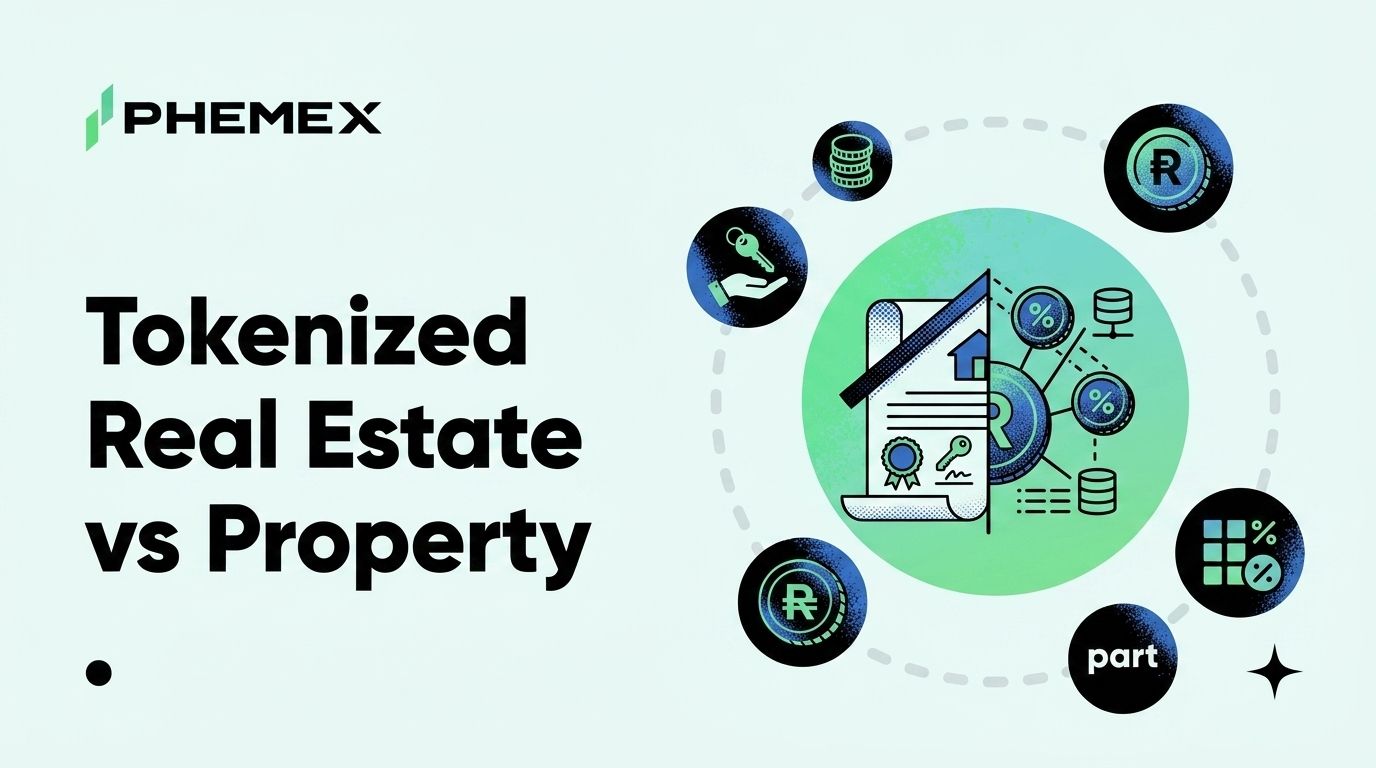
Not all exchanges offer real estate tokens. Select a platform that is registered with relevant financial authorities, such as the SEC or FCA. These platforms handle the legal compliance, token issuance, and distribution of rental income to token holders.
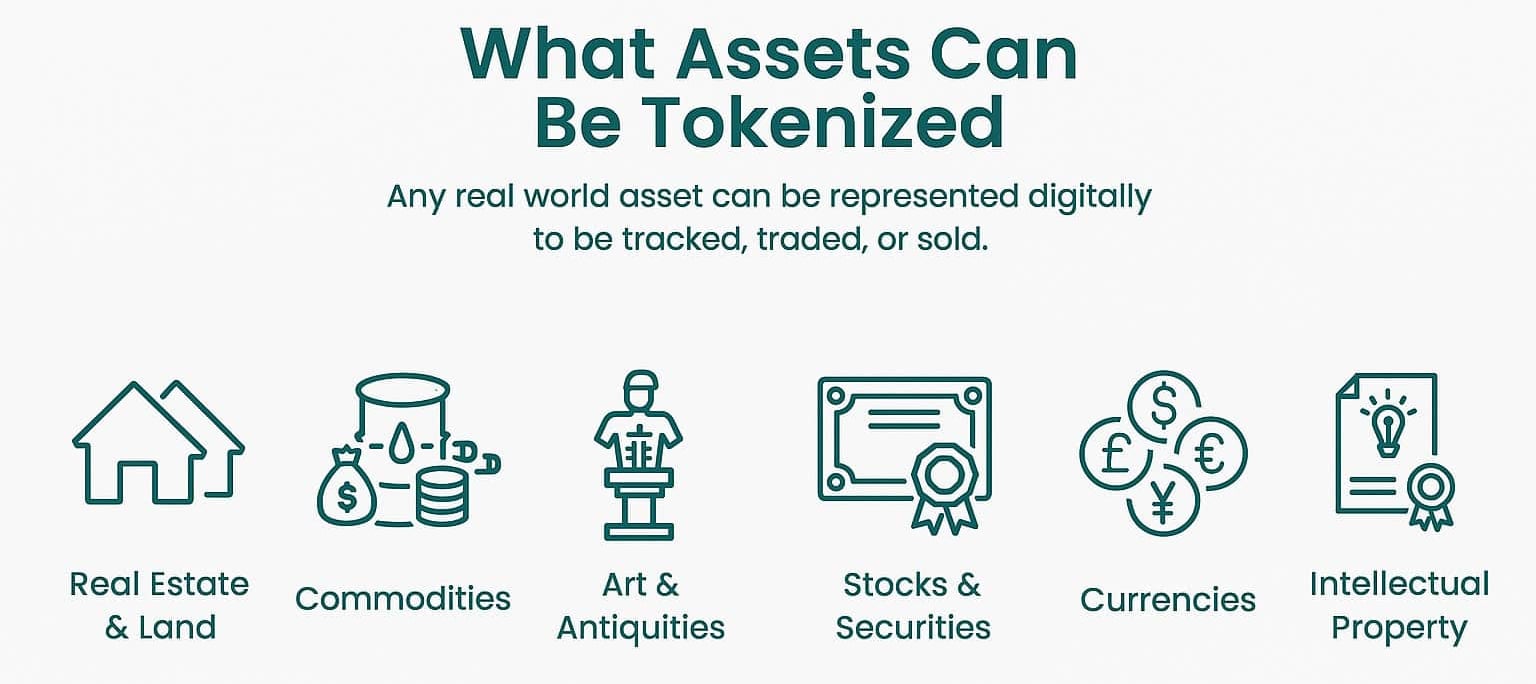
Because these are securities, you must complete Know Your Customer (KYC) checks. Upload a government ID and proof of address. This step verifies your identity and ensures you meet the accreditation or residency requirements for the specific token offering.

Deposit fiat currency or accepted cryptocurrencies like ETH or USDC into your platform wallet. Most platforms support bank transfers and credit cards, though fees vary. Keep a small buffer for gas fees if you plan to move tokens to a private wallet later.
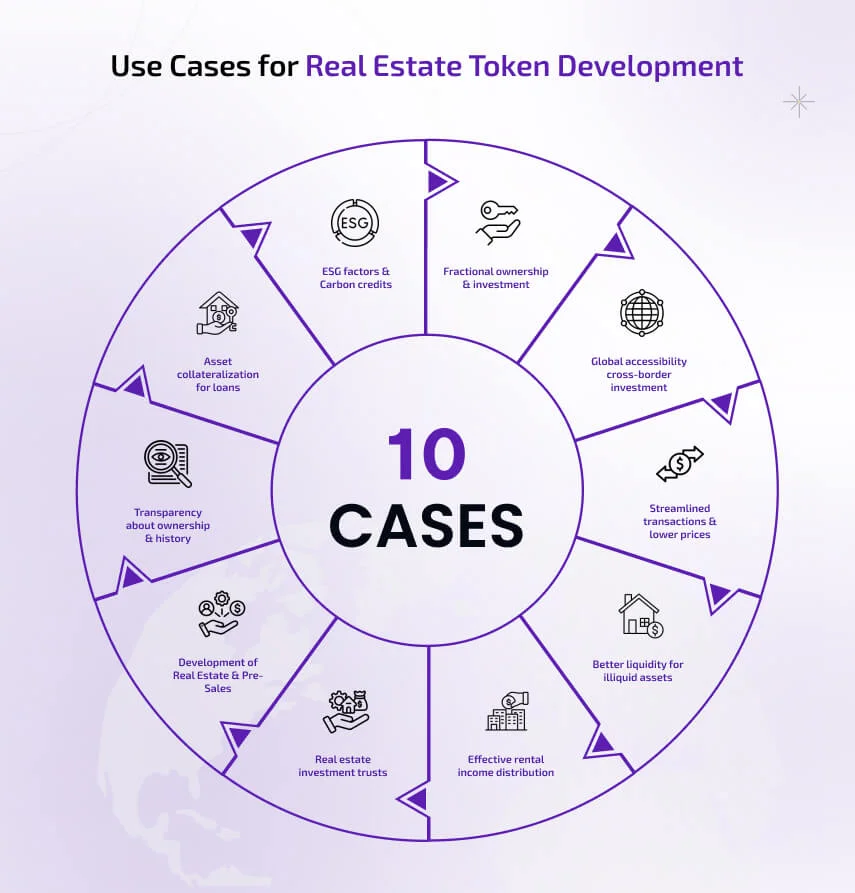
Browse the available real estate listings on the platform. Review the property details, projected yields, and historical performance. Once you select a token, execute the purchase. Your tokens will appear in your platform dashboard, and you will begin receiving proportional rental distributions.
No comments yet. Be the first to share your thoughts!