What rent cashflow tokens actually are
Rent cashflow tokens represent a specific slice of the real estate tokenization market. They are not generic real estate tokens that grant fractional ownership of the land or the building structure. Instead, they function as digital receipts for the income stream generated by a property. When you hold these tokens, you are effectively holding a claim on the net operating income (NOI) after expenses, rather than an equity stake in the asset itself.
This distinction is critical for anyone conducting a Rent Cashflow Tokens analysis. Traditional real estate investing often involves buying equity, which means you own a piece of the whole property. With rent cashflow tokens, the underlying asset remains intact, but the right to receive periodic distributions is tokenized. This structure aligns more closely with debt-like instruments or income-share agreements. The yield you receive comes directly from the rent paid by tenants, minus operating costs and any property-level debt service.
The mechanism is straightforward: a property generates rent, the operator pays expenses and debt, and the remaining profit is distributed to token holders. This creates a direct link between tenant payments and investor returns. For investors, this means the value of the token is tied to the stability and profitability of the rental income, not just the fluctuating market price of the real estate. This clarity helps separate speculative real estate bets from income-focused investments.
To understand the current market dynamics, it helps to look at how these yields compare to broader real estate indices. The following chart tracks the performance of relevant real estate and crypto markets, providing context for where rent cashflow tokens fit in the current financial landscape.
Infrastructure upgrades driving 2026 yields
The foundation of a reliable Rent Cashflow Tokens analysis rests on the underlying blockchain infrastructure. In 2026, the gap between traditional real estate cash flow and tokenized yields is narrowing because the plumbing has finally caught up to the promise. Earlier iterations of real-world asset (RWA) tokens struggled with slow settlement times and unreliable data feeds. Today, these friction points are largely resolved, creating a more stable environment for investors.
Settlement speed is the first major improvement. Older networks required days to confirm transactions, introducing counterparty risk during the window between trade execution and finality. Newer Layer 1 and Layer 2 solutions now offer near-instant finality. This means rental income distributions can be processed and credited to investor wallets in real-time, mirroring the immediacy of traditional bank transfers. For a Rent Cashflow Tokens analysis, this speed reduces the time-value-of-money drag that previously made tokenized yields less attractive than direct ownership.
Oracle reliability has also matured significantly. In earlier years, price and rental data oracles were prone to manipulation or latency, causing yield calculations to drift from reality. Current systems use decentralized oracle networks that cross-reference multiple data sources, including property management software and regional rental indices. This ensures that the cash flows distributed to token holders accurately reflect the underlying property's performance. Without this verification layer, the entire yield model would be speculative; with it, the yield becomes a predictable, auditable metric.
Regulatory compliance layers are now embedded directly into the token smart contracts. Instead of relying on external legal wrappers that can become outdated or unenforced, modern tokens include automated KYC/AML checks and investor accreditation verification. This structural compliance reduces the risk of regulatory crackdowns that could freeze assets or disrupt distributions. When evaluating a Rent Cashflow Tokens analysis, this built-in compliance is a critical risk mitigator, ensuring that the yield stream remains uninterrupted by legal challenges.
These infrastructure upgrades collectively reduce the operational risk that once plagued tokenized real estate. Investors no longer need to worry about settlement delays, data discrepancies, or regulatory gaps. The result is a yield profile that is not only competitive with traditional rentals but also more transparent and efficient to manage.
Comparing top rent cashflow token platforms
Use this section to make the Rent Cashflow Tokens Analysis decision easier to compare in real life, not just on paper. Start with the reader's actual constraint, then separate must-have requirements from details that are merely nice to have. A practical choice should survive normal use, maintenance, timing, and budget. If a recommendation only works in an ideal situation, call that out plainly and give the reader a fallback path.
| Factor | What to check | Why it matters |
|---|---|---|
| Fit | Match the option to the primary use case. | A good deal still fails if it does not fit the job. |
| Condition | Verify age, wear, and service history. | Hidden condition issues erase upfront savings. |
| Cost | Compare purchase price with likely upkeep. | The cheapest option is not always the lowest-cost option. |
Risk factors in onchain rental markets
A Rent Cashflow Tokens analysis must account for the dual-layer risk inherent in merging traditional real estate with blockchain infrastructure. These assets are not immune to the volatility of property markets, nor are they protected from the fragility of code. Understanding where the value can leak is essential for any investor evaluating this space.
Smart contract and operational vulnerabilities
The "onchain" promise of transparency is only as strong as the smart contracts governing the token. Unlike a traditional lease held by a property management company, these tokens rely on automated execution. If the underlying code contains a vulnerability, exploits can drain liquidity or freeze distributions entirely. Beyond code, operational risk remains high; the token is only as reliable as the off-chain entity managing the physical property. A failure in property management, legal structuring, or insurance coverage directly impacts the token holder, regardless of how elegant the blockchain layer appears.
Real estate market volatility and vacancy
Real estate is inherently illiquid and cyclical. While tokenization increases the ease of trading, it does not change the underlying asset's sensitivity to interest rates, local economic shifts, or vacancy spikes. During downturns, rental income drops while fixed costs remain. Historically, cash flow from properties is estimated at roughly 50% of gross rents, though this varies significantly by region—dropping to 35% in high-cost markets like California or New York. A sudden vacancy or a spike in maintenance costs can quickly erase the yield that attracts investors in the first place. The token does not insulate you from a tenant not paying rent.
Regulatory uncertainty
The legal status of security tokens tied to real estate remains a moving target. While some jurisdictions have established frameworks, others are still defining how these tokens are classified and taxed. Regulatory shifts can impact how tokens are traded, who is eligible to buy them, and how profits are distributed. Investors must assume that future regulations could restrict secondary market liquidity or impose new compliance costs that reduce net yields. This uncertainty adds a layer of risk that is difficult to quantify but impossible to ignore.
Common rental yield rules applied to tokens
Build a rent cashflow tokens strategy
Evaluating Rent Cashflow Tokens analysis requires shifting from passive speculation to active due diligence. Because these tokens represent fractional ownership in physical assets, the digital token is only as strong as the property management and legal structure behind it. You need a checklist that verifies the underlying asset before you allocate capital.
Before buying, confirm the token issuer has undergone a third-party audit. Look for legal opinions that verify the token’s link to the real-world entity (SPV) that owns the property. Without this, you hold a digital claim with no legal backing.

Reliable yield reporting depends on accurate data feeds. Ensure the platform uses reputable oracles to report rent collection and vacancy rates. If the data comes from an unverified internal dashboard, the yield figures may be optimistic or delayed.
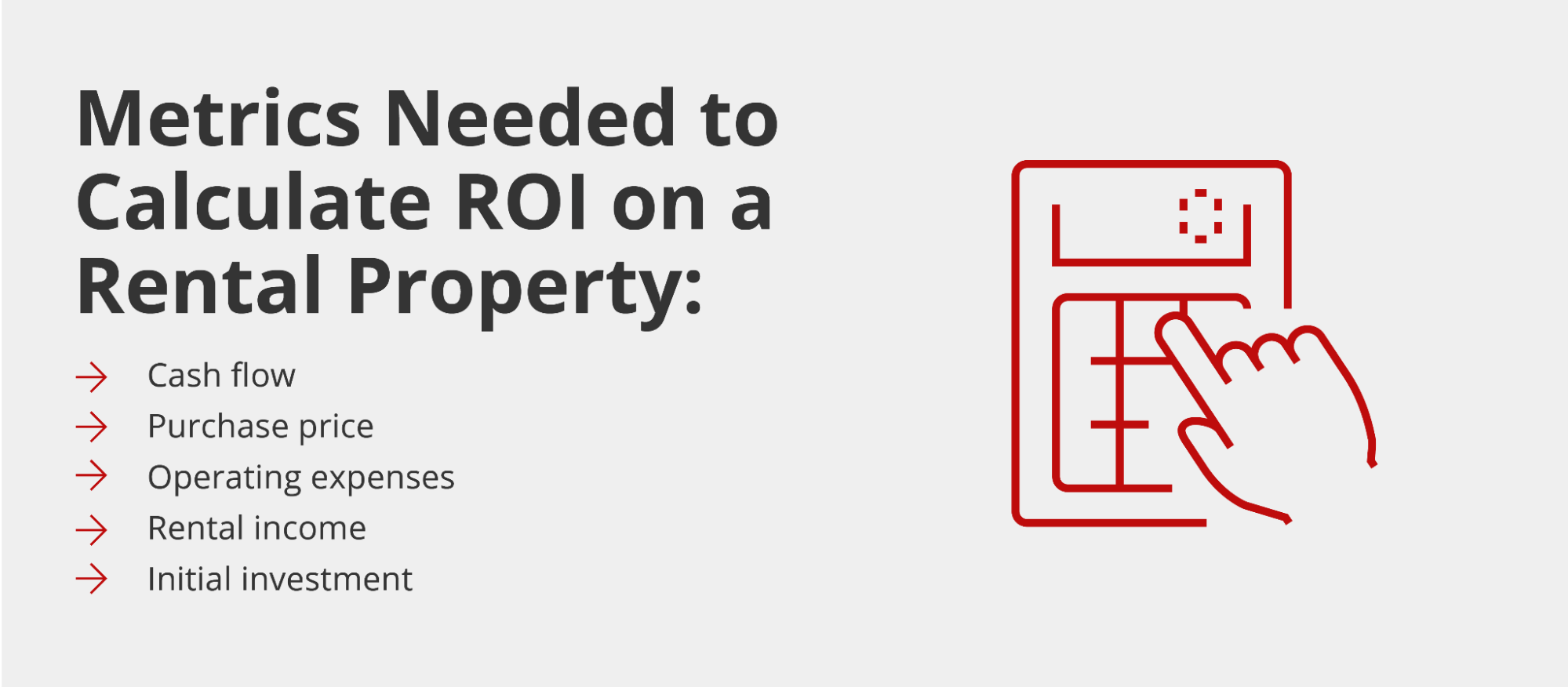
The best tokenized asset fails if the underlying property is mismanaged. Review the track record of the on-chain property manager. Are maintenance costs predictable? Do they have a history of high occupancy? This is the human element that drives your monthly cash flow.
Unlike stocks, these tokens may not trade on deep markets. Check the secondary market rules or redemption windows. Can you exit quickly, or are you locked into the property’s lease cycle? Understanding the exit strategy is part of the yield calculation.
A disciplined approach to Rent Cashflow Tokens analysis separates those who chase high yields from those who build sustainable portfolios. Start with the legal and operational checks, then let the numbers guide your allocation.
No comments yet. Be the first to share your thoughts!