What rent cashflow tokens actually are
Rent cashflow tokens are digital representations of income rights from rental properties, not the properties themselves. When you buy a token, you are purchasing a share of the future rental income generated by a specific building or portfolio. This structure is fundamentally different from traditional real estate investment trusts (REITs), which often hold diversified portfolios and pay dividends from aggregate earnings, or direct ownership, where you hold the deed and manage the asset.
Think of these tokens as a direct pipeline from a property’s monthly rent checks to your digital wallet. The underlying asset is the lease agreement and the cash it generates. If the property performs well, the tokens pay out. If vacancies rise or maintenance costs spike, the distribution drops. This creates a direct correlation between the physical asset’s operational health and your return, stripping away the layer of corporate management fees that often dilute returns in traditional REIT structures.
It is important to distinguish these instruments from equity tokens. Equity tokens represent ownership of the property’s value, meaning you profit if the building appreciates. Cashflow tokens, however, are purely yield-focused. You are buying the income stream, not the land or the structure. This makes them closer to bonds than to stocks, though with higher risk due to the illiquidity and operational complexities of real estate.
The infrastructure supporting these tokens relies on blockchain technology to automate distributions and track ownership. This reduces the administrative overhead associated with traditional real estate investing, such as processing paper checks or managing transfer taxes for small fractional sales. However, it also introduces new risks, including smart contract vulnerabilities and regulatory uncertainty, which are central to any rent cashflow tokens analysis.
The rails behind rent cashflow tokens
Tokenizing rental income isn't just a digital ledger trick; it's a legal and technical stack designed to move money from a tenant's bank account to a blockchain address reliably. If the underlying infrastructure fails, the yield stops. Understanding these three layers—legal structure, data verification, and blockchain settlement—is essential for any Rent Cashflow Tokens analysis.
The SPV: Legal isolation of assets
At the core of most rent tokenization models is a Special Purpose Vehicle (SPV), usually a limited liability company. The SPV holds the physical property and the lease agreements. This structure is critical because it legally separates the real estate assets from the issuer's other liabilities. If the issuer goes bankrupt, the property inside the SPV remains intact for token holders. This "bankruptcy remoteness" is the primary reason institutional investors trust these instruments over unbacked digital assets.
Oracle feeds: Verifying the cash
Blockchains cannot inherently see off-chain bank transfers. This is where oracle feeds come in. These are automated data pipelines that verify when rent payments have been received by the SPV's operating account. Once verified, the oracle triggers a smart contract to distribute the corresponding yield to token holders. Without accurate, tamper-proof oracle data, the smart contract cannot distinguish between a paid lease and a delinquent one, making the yield distribution unreliable.
Blockchain: Settlement and liquidity
The final layer is the blockchain itself, which serves as the settlement layer. It records ownership of the tokens and automates the distribution of cash flows. While Ethereum and other EVM-compatible chains are common due to their developer ecosystem, the choice of chain affects transaction costs and speed. For high-frequency yield distributions, low-fee layers or sidechains are often preferred to ensure the administrative cost doesn't eat into the rent yield.
Analyzing Rent Cashflow Tokens
Evaluating the viability of rent cashflow tokens requires bridging two distinct worlds: traditional real estate underwriting and onchain data transparency. While the underlying assets are physical properties, the investment vehicle exists on the blockchain. This means investors must look beyond simple price charts to understand the actual yield generation.
Core Metrics and Software Tools
The foundation of any rent cashflow token analysis is the same as traditional real estate: net operating income (NOI) minus debt service equals cash flow. However, the tools have evolved. Investors now use a mix of classic spreadsheets and specialized dashboards that pull live onchain data.
Traditional tools like DoorLoop or CashflowCalc remain relevant for modeling physical property expenses. These platforms help you understand the baseline operating costs—maintenance, taxes, insurance—that feed into the token’s distribution. Without accurate off-chain data, onchain yield predictions are just guesses.
Onchain dashboards provide the real-time layer. They track the actual distribution of rents to token holders, allowing you to verify that the smart contract is functioning as intended. This combination of off-chain expense modeling and on-chain distribution tracking is essential for accurate rent cashflow tokens analysis.
Comparing Analysis Approaches
The following table contrasts the capabilities of traditional real estate software with modern onchain tokenized asset dashboards. Understanding this distinction helps you choose the right tool for each stage of your due diligence.
| Metric | Traditional RE Tools | Tokenized Asset Dashboards |
|---|---|---|
| Income Verification | Manual entry or bank feeds | Smart contract distribution logs |
| Expense Tracking | Automated via property management software | Rarely available; requires off-chain reports |
| Yield Calculation | Projected based on market rates | Actual realized yield from token distributions |
| Liquidity Assessment | Low; based on market comparables | High; based on secondary market volume |
Market Context
While fundamental analysis drives long-term value, market sentiment influences short-term price action. Use the chart below to monitor the broader market context for tokenized real estate assets.
Market trends and liquidity risks
The rent cashflow tokens analysis reveals a market still in its early stages of price discovery. Unlike mature asset classes, these tokens do not trade on deep, continuous order books. Instead, liquidity often depends on specific secondary marketplaces or protocol-specific mechanisms, creating a fragmented landscape where finding a buyer or seller can take time.
This liquidity constraint is the primary risk for investors. In traditional real estate, selling a property can take months. In tokenized real estate, the process is theoretically faster, but the pool of eligible buyers is much smaller. During market stress, this thin liquidity can lead to significant slippage, meaning you might sell at a price far below the underlying property's appraised value.
Correlation with broader crypto markets also plays a role. While the underlying asset is real estate, the token often trades like a crypto asset. This means rent cashflow tokens can experience volatility driven by Bitcoin's price action or general crypto market sentiment, rather than just local rental market fundamentals. Investors must account for this dual exposure when modeling returns.
Strategic entry points for investors
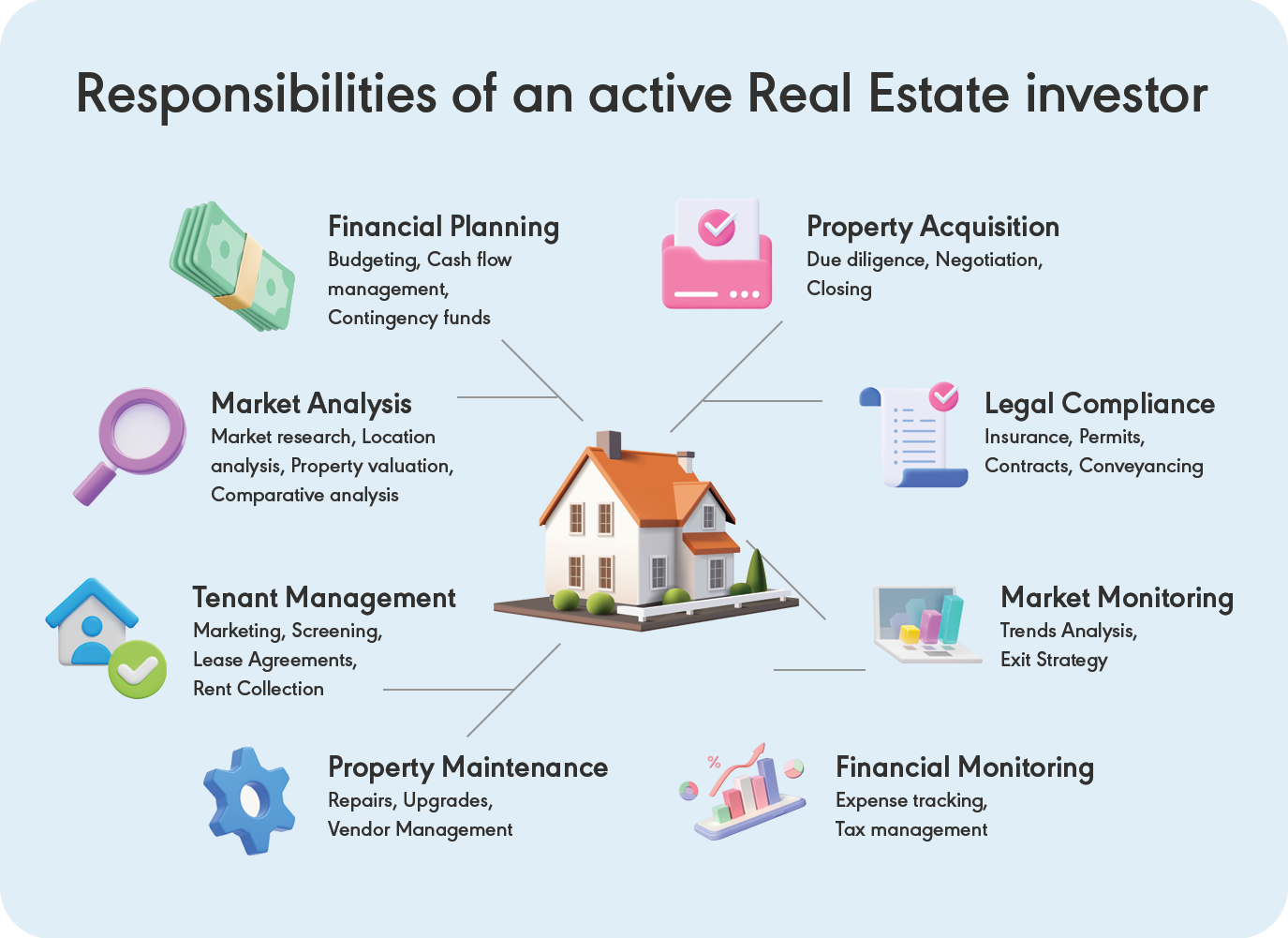
Entering the rent cashflow tokens market requires a disciplined framework that bridges traditional real estate underwriting with blockchain mechanics. Unlike buying a physical property, tokenized cashflow assets offer fractional liquidity but introduce smart contract and platform risks. To navigate this, you must treat your investment process as a multi-layered due diligence operation.
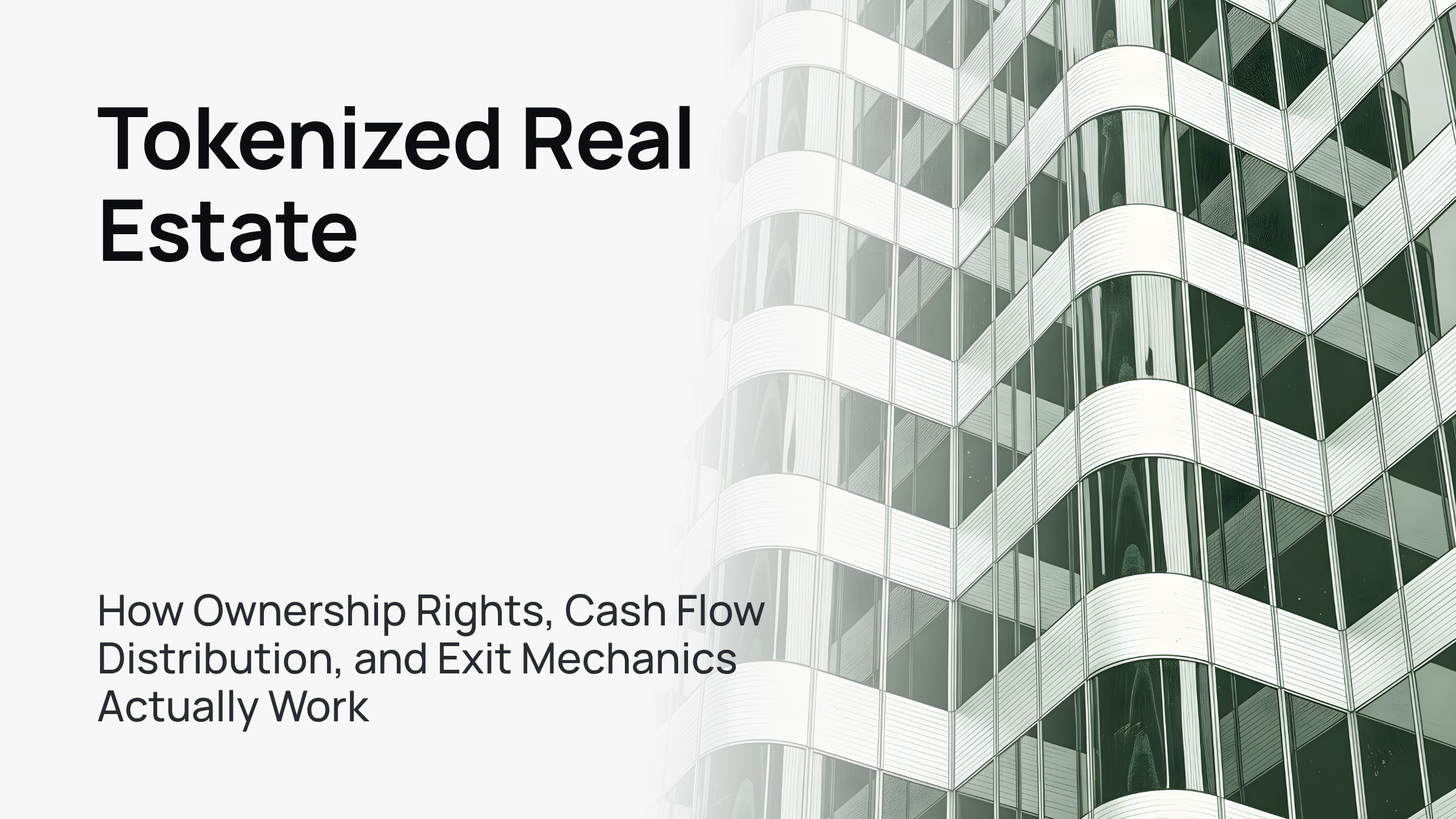
Before analyzing the token structure, audit the physical property. Look for stable tenant bases, professional property management, and clear title records. If the underlying real estate is in a declining market or managed poorly, the token’s yield will suffer regardless of blockchain efficiency. Use the TechnicalChart below to gauge broader real estate market sentiment and interest rate trends that impact property values.
Calculate the net operating income (NOI) and subtract all operating expenses, debt service, and reserves. The Internal Rate of Return (IRR) should exceed your opportunity cost in traditional assets. Be wary of projections that assume constant appreciation; focus on the actual monthly cashflow after all fees. If the token promises high yields with low risk, the model is likely flawed or the risk is hidden in the smart contract layer.
The token is only as good as the platform issuing it. Review the issuer’s track record, legal structure, and compliance with local securities laws. Ensure there is a clear mechanism for distributing rental income to token holders and a transparent process for asset liquidation. Check if the platform has undergone third-party security audits for its smart contracts to prevent exploits.
Treat rent cashflow tokens as a speculative, high-yield component of your portfolio. Allocate no more than 5-10% of your total real estate exposure to tokenized assets initially. This allows you to benefit from potential upside and liquidity while limiting downside exposure if the platform fails or the underlying asset depreciates significantly.
By following these steps, you can approach rent cashflow tokens analysis with the rigor required for high-stakes financial decisions. The goal is not to chase the highest yield, but to find sustainable cashflow in a transparent, legally sound structure.
Frequently asked questions about rent cashflow tokens
How do I calculate cash flow for a rental property?
To determine if a rental property generates positive cash flow, subtract total operating costs and mortgage payments from the total rental income. This straightforward formula reveals the net monthly income. For a deeper understanding of the variables involved, refer to Belong’s guide on accurate rental property cash flow analysis. When evaluating rent cashflow tokens, this same logic applies to the underlying real estate assets they represent.
What is the Internal Rate of Return (IRR) in this context?
The Internal Rate of Return (IRR) represents the annualized rate of growth an investment is expected to generate. Unlike simple cash-on-cash returns, IRR accounts for the time value of money, making it a more precise metric for comparing rent cashflow tokens against traditional real estate holdings or other investment vehicles. A higher IRR indicates a more efficient use of capital over time.
Are rent cashflow tokens liquid?
Liquidity varies significantly by platform. Unlike publicly traded stocks, many tokenized real estate assets trade on secondary markets with limited depth. Before investing, verify the specific platform’s liquidity provisions and any lock-up periods. This structure differs from traditional REITs, which offer daily liquidity but may carry different tax implications and management fees.
How are tax implications handled for token holders?
Tax treatment depends on your jurisdiction and whether the token is structured as a security or a utility. Typically, distributions are treated as rental income, subject to ordinary income tax rates. Some structures may allow for depreciation benefits similar to direct property ownership. Always consult a tax professional to understand how your specific rent cashflow token holdings affect your tax liability.
Helpful gear
Use these product recommendations as a starting point, then choose the size, material, and price point that fit how you actually use the gear.

As an Amazon Associate, we may earn from qualifying purchases.
No comments yet. Be the first to share your thoughts!