What Is a Rent Cashflow Token?
A rent cashflow token is a digital asset designed to pass through the net operating income of a specific real estate property directly to its holders. Unlike traditional real estate investments where returns are tied to property appreciation or broad market indices, these tokens focus on the yield generated by the underlying asset. The model simplifies the complex mechanics of property management into a programmable distribution of rental income.
To understand the mechanics, it helps to look at how cash flow is calculated in traditional real estate. According to Belong, determining cash flow involves subtracting total operating costs and mortgage payments from total rental income. Rent cashflow tokens automate this process. Smart contracts collect rent, deduct verified expenses, and distribute the remaining net income to token wallets on a regular schedule, typically monthly.
This structure creates a distinct value proposition compared to other onchain real estate models.
The key difference lies in the investor's exposure. In a traditional REIT, investors hold shares in a corporation that owns a portfolio of properties. Returns are often diluted by management fees, corporate overhead, and the performance of unrelated assets. With rent cashflow tokens, the investment is directly linked to the performance of a single asset or a small, defined pool. This transparency allows investors to analyze the specific property's metrics—occupancy rates, rent rolls, and maintenance costs—without the noise of a larger corporate structure.
By removing the middleman and automating distributions, rent cashflow tokens offer a more direct path to real estate yield. This model appeals to investors seeking predictable income streams with greater visibility into the underlying asset's performance than what is typically available in public markets.
How on-chain rent cashflow tokens actually work
Rent cashflow tokens turn physical rental income into digital yield. The process starts off-chain, where property managers collect monthly rent from tenants. This cash flow is then swept into a dedicated bank account controlled by a special purpose vehicle (SPV) that holds the property. This structure isolates the asset's risk from the issuer's broader balance sheet, a standard practice in real estate asset securitization.
The conversion to on-chain tokens happens through a stablecoin bridge. The SPV converts the collected fiat currency into a regulated stablecoin, such as USDC or USDT, using a licensed payment processor. This step is critical because it ensures the yield is digital-native, transferable, and accessible to token holders without traditional banking delays. The stablecoins are then deposited into a smart contract treasury that is legally bound to distribute funds to token holders.
Distribution is automated via the token's smart contract. When the treasury receives the stablecoins, the contract executes a pro-rata distribution based on the number of tokens each holder owns. This happens on-chain, meaning the transaction is immutable and transparent. You can verify exactly how much was paid, when it was paid, and to which wallet addresses. This removes the opacity often associated with traditional real estate partnerships, where investors might wait weeks for quarterly statements.
The yield you receive is essentially the net operating income (NOI) of the property, minus management fees and reserves. If a property generates $10,000 in monthly rent with $2,000 in expenses, the remaining $8,000 is distributed to token holders. This mechanism creates a direct link between the physical asset's performance and your digital portfolio. It is not passive income in the sense that it requires no oversight; it requires trust in the off-chain operators to maintain the property and collect rent, but the financial distribution is fully automated.
Market context for RWA yields
While the mechanics are straightforward, the value of these tokens fluctuates with broader market conditions. Real-world asset (RWA) tokens often track the performance of underlying real estate indices or interest rate environments. Understanding this volatility is key to analyzing rent cashflow tokens not just as yield generators, but as tradable assets.
Comparing tokenization platforms and structures
When analyzing rent cashflow tokens, the devil is in the details of the underlying structure. Not all platforms operate the same way, and the difference between a direct equity token and a debt-backed note can dictate your entire risk profile. You need to look beyond the headline yield to see how liquidity is actually handled and who holds the regulatory reins.
The table below breaks down the primary differences between the major approaches in the onchain real estate space. These are not just marketing points; they are structural constraints that affect your ability to exit a position or claim tax benefits.
| Platform Type | Yield Type | Min Investment | Liquidity | Regulatory Status |
|---|---|---|---|---|
| Fractional Equity | Rent + Appreciation | $10 - $25k | Secondary Market (Limited) | SEC Reg D/A+ |
| Debt/Note | Fixed Interest | $500 - $5k | Low (Private Placement) | SEC Reg D |
| REIT Token | Dividend | $10 - $50 | High (Exchange) | SEC Registered |
| DAO Fund | Variable Net Income | $1k - $10k | Variable (Governance) | Gray Area / LLC |
Equity structures give you a slice of the property itself. Your return comes from monthly rent distributions and the eventual sale of the asset. This is the closest digital equivalent to owning a traditional rental property, but liquidity is often constrained by secondary market depth and lock-up periods.
Debt or note-based tokens act more like a bond. You are lending money to a real estate operator in exchange for fixed interest payments. The yield is usually predictable, but you miss out on property appreciation. These are generally less liquid because they are traded privately rather than on public exchanges.
Registered REIT tokens offer the highest liquidity, often trading on digital asset exchanges. The trade-off is regulatory overhead, which can compress yields compared to private placements. These are the most compliant but also the most standardized, offering less control over specific asset selection.
When choosing a rent cashflow token, match the structure to your liquidity needs. If you need to exit quickly, registered REIT tokens are the only viable option. For long-term hold investors, fractional equity offers the best alignment with traditional real estate cash flow analysis principles.
Market Risks and Regulatory Considerations
Rent cashflow tokens analysis reveals that while the digital wrapper offers liquidity, the underlying asset remains tethered to physical reality. Your investment’s viability depends on two distinct layers: the integrity of the blockchain code and the operational competence of the property managers. When these layers fail, the token price often decouples from the actual rental income.
Smart Contract and Operational Risks
The primary technical risk lies in the smart contract’s ability to accurately distribute distributions. A bug in the distribution logic or an oracle failure can halt payments, even if the property is fully occupied. Additionally, off-chain risks are significant. Property management failures—such as poor maintenance, vacancy spikes, or legal disputes—directly reduce the cashflow that backs the token. Unlike traditional REITs, where professional teams mitigate these risks, tokenized assets often rely on smaller, less regulated entities.
Evolving SEC and Financial Regulations
Regulatory oversight is the most volatile variable in this space. The SEC has increasingly scrutinized security tokens, particularly those offering profit-sharing from real estate. Compliance requirements, such as investor accreditation and transfer restrictions, vary by jurisdiction and can impact liquidity. Recent enforcement actions signal that regulators view many rent cashflow tokens as unregistered securities. Investors must verify that the issuing entity has proper disclosures and compliance frameworks in place to avoid legal entanglements.
How to evaluate rent cashflow tokens before buying
Rent cashflow tokens are only as strong as the building they represent. If the underlying real estate struggles, the token price and yield will follow. Before committing capital, treat the token like a direct property investment. You need to verify the asset quality and the issuer’s track record.

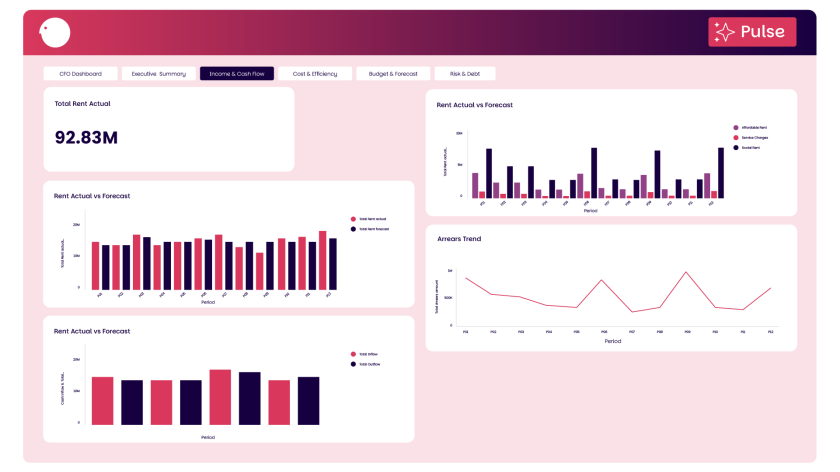
Start with the numbers. Calculate the net operating income by subtracting operating expenses and debt service from gross rental income. Use a standard rental property calculator to model different vacancy scenarios. If the property doesn’t cash flow in a conservative model, the token is a risky bet.
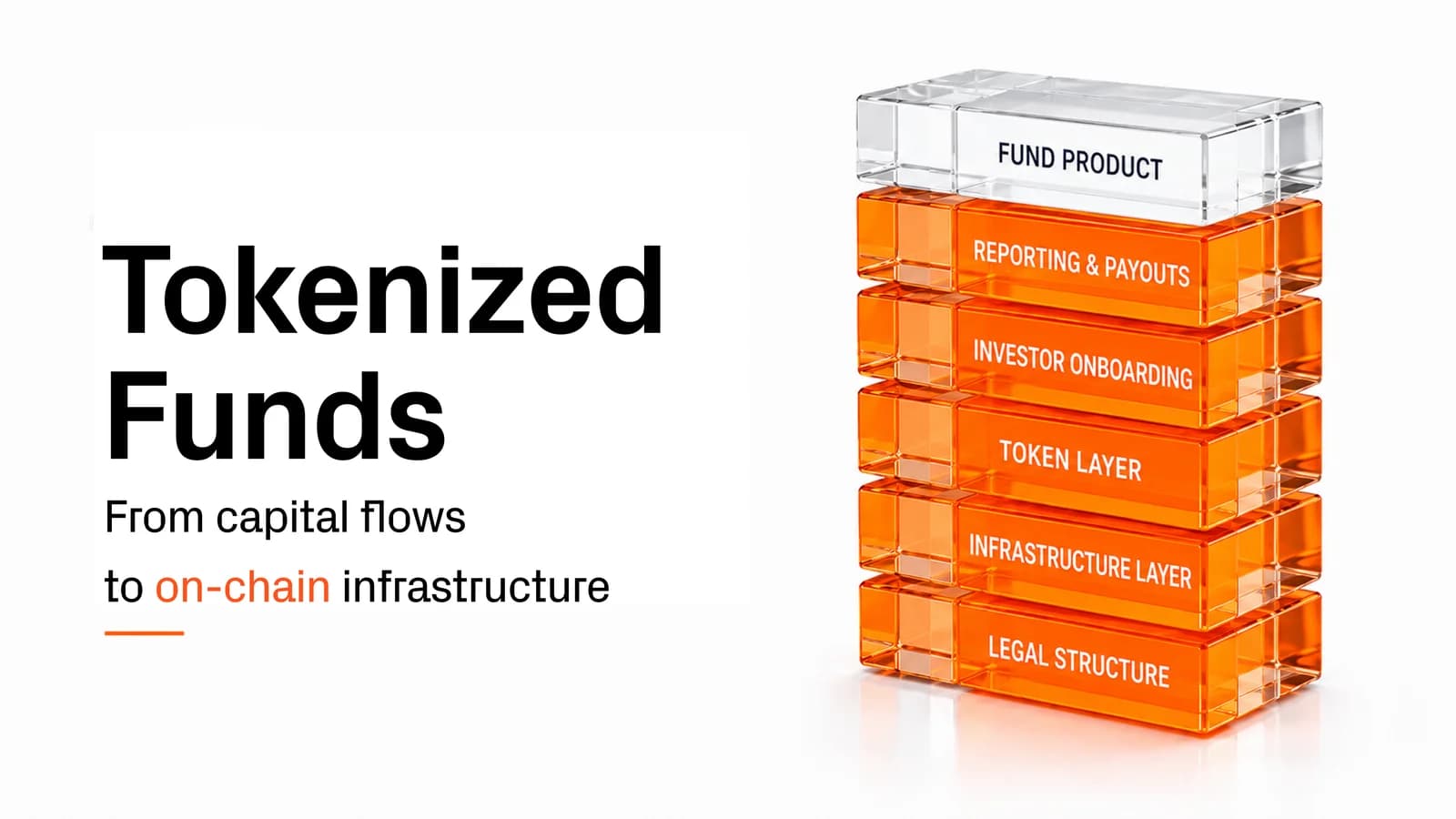
Check who controls the property. Look for a Special Purpose Vehicle (SPV) that isolates the asset from the issuer’s other liabilities. Ensure the legal documentation clearly defines how token holders receive distributions. A weak legal structure can make your token worthless even if the building is profitable.
Real estate is illiquid; tokens are supposed to fix that. But if no one is trading the token, you’re stuck. Look for active secondary markets or buyback programs. Without a clear exit strategy, you might be locked into the property for years, regardless of the yield.
Key metrics to track
Once you’ve done the due diligence, keep an eye on these three metrics. They tell you if the token is performing as promised.
| Metric | Why it matters |
|---|---|
| Net Operating Income (NOI) | Shows the property’s true earning power before debt. |
| Cap Rate | Compares the token’s yield to other real estate investments. |
| Distribution Yield | The actual cash you receive relative to the token price. |
Red flags to watch
Avoid tokens that promise high yields with vague property details. If the issuer hasn’t audited the property’s financials or if the legal structure is opaque, walk away. Always prioritize transparency over hype.
Common questions about onchain rental yields
When analyzing rent cashflow tokens, the mechanics of yield distribution differ from traditional real estate, but the core math remains the same. You are essentially looking at how much net income reaches your wallet versus what is consumed by costs.
Understanding these distinctions helps you avoid overestimating returns. Always verify the expense structure before investing.
No comments yet. Be the first to share your thoughts!