What rent cashflow tokens actually are
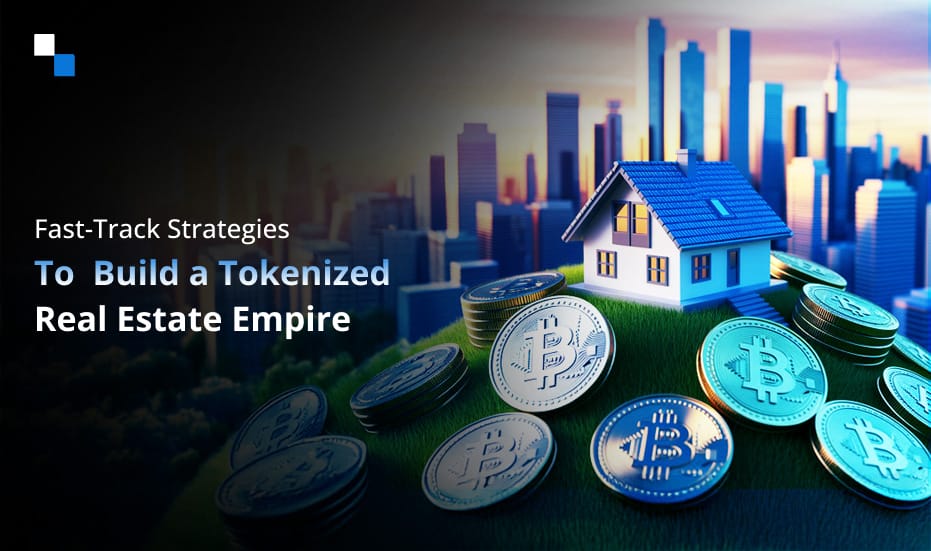
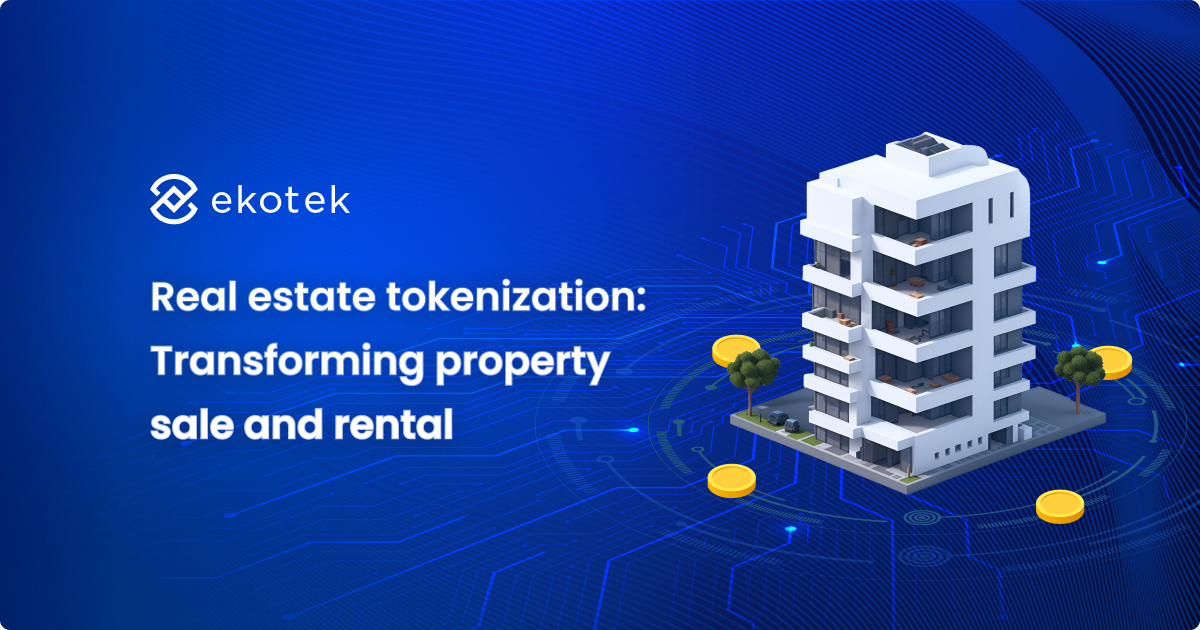
Rent cashflow tokens are digital securities that represent fractional ownership in physical rental properties. When you buy these tokens, you are not buying a generic crypto token or a leveraged derivative. You are buying a share of a legal entity—usually an LLC or SPV—that holds the deed to a building. The income generated by that building, specifically the monthly rent paid by tenants, flows through the blockchain to your wallet.
This structure creates a direct link between onchain yield and offchain reality. Unlike staking rewards or liquidity mining, which rely on protocol inflation or trading fees, the yield here comes from a tangible asset producing cash. The token acts as a receipt for your ownership share, while the underlying property does the heavy lifting of generating profit.
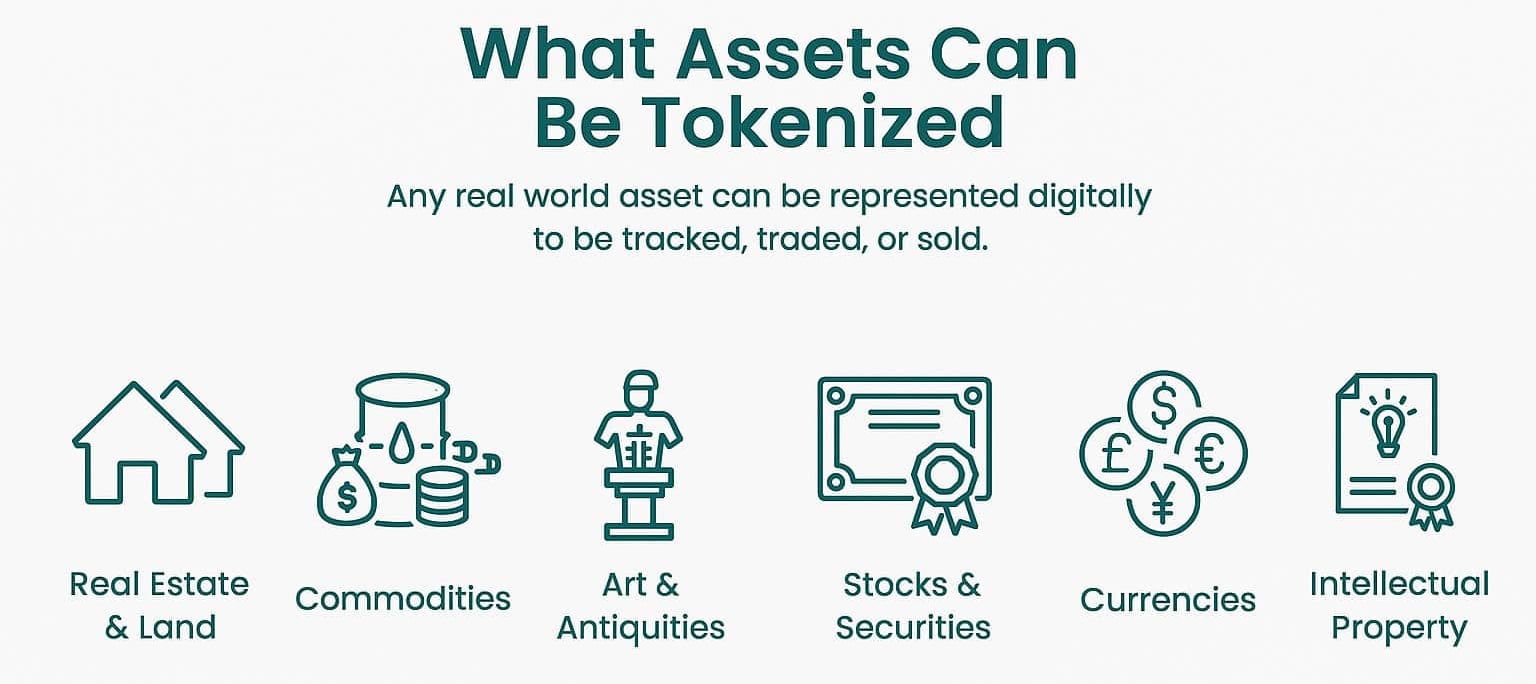
It is important to distinguish this from traditional REITs. While both offer exposure to real estate, REITs are publicly traded companies that often hold diverse portfolios and operate under complex corporate tax structures. Tokenized real estate is typically narrower, focusing on specific properties or small portfolios. This allows for greater transparency—you can often see the exact lease terms, occupancy rates, and maintenance costs associated with the specific building your token represents.
The "strategy" aspect comes from how you manage these positions. Because the assets are liquid on the blockchain, you can sell your share in seconds rather than waiting months to close on a property sale. However, the yield is not guaranteed. It fluctuates with local rental markets, vacancy rates, and property management efficiency. Understanding this bridge between digital finance and physical housing is the first step in building a robust rent cashflow tokens strategy.
The infrastructure powering onchain rent
Tokenizing rental income isn't magic; it's a structured legal and technical stack. The strategy relies on three distinct rails working in tandem: the legal entity holding the asset, the blockchain ledger recording ownership, and the oracle network delivering real-world data.
Legal SPVs and Tokenization
The foundation is always a Special Purpose Vehicle (SPV). This limited liability company holds the physical property title. When you buy a rent cashflow token, you aren't buying the deed; you own a fractional share of the SPV. This structure isolates risk. If the property faces a lawsuit or default, it doesn't touch your personal assets, and it doesn't crash the entire blockchain network. The SPV collects rent, pays expenses, and distributes the net yield to the token contract.
Oracles and Data Feeds
Smart contracts are blind. They cannot see a tenant paying rent or a pipe bursting. Oracles bridge this gap. They pull verified data from off-chain sources—bank statements, property management software, or municipal records—and write it onto the blockchain. Without reliable oracles, the token price would be disconnected from reality. You need a feed that confirms cash flow actually happened before the smart contract releases your yield. This trust layer is why institutional-grade platforms dominate the space.
The Blockchain Ledger
The blockchain itself serves as the immutable record of ownership and distribution. It ensures transparency. Every token holder can verify their share and track yield distributions in real time. This eliminates the need for traditional intermediaries like transfer agents or custodians, reducing fees and settlement times from days to seconds. The code executes the distribution automatically, removing human error from the payout process.
Comparing top rent cashflow platforms
Selecting a rent cashflow token strategy requires matching your risk tolerance with the specific structure of the platform. Not all real-world asset (RWA) platforms operate under the same regulatory frameworks or fee models. A higher yield often signals stricter jurisdictional limits or higher platform fees that eat into your net returns.
The table below compares three leading platforms that currently offer tokenized rental income. We look at the advertised yield, the barrier to entry, and the legal structure that protects your stake.
| Platform | Est. Yield | Min. Investment | Structure |
|---|---|---|---|
| TokenFi | 8-12% | $100 | LLC Membership |
| RealT | 5-8% | $50 | LLC Membership |
| Lofty | 6-9% | $50 | LLC Membership |
| Propy | 4-7% | $5,000 | Direct Deed |
Yield estimates vary based on property location and occupancy rates. Platforms like RealT and TokenFi allow fractional ownership with low minimums, making them accessible for testing the strategy. Propy focuses on higher-value transactions with direct deed structures, which may appeal to investors seeking more traditional legal protections despite the higher entry cost.
Always verify the current yield data on the platform’s dashboard before committing capital. Historical performance does not guarantee future results, and interest rate fluctuations can impact both property values and tenant demand.
Track onchain yield against real estate metrics
Monitoring a rent cashflow tokens strategy requires looking at two distinct but connected data streams. On one side, you have the traditional real estate fundamentals: occupancy rates, net operating income, and property-level expenses. On the other, you have the onchain reality: token price, liquidity depth, and secondary market yield.
The disconnect between these two is where risk hides. A token might trade at a premium to its underlying asset value, or the onchain yield might lag behind actual rental collections due to settlement delays. You need to watch both to understand if you are buying into genuine cashflow or just speculative noise.
To keep your strategy grounded, use live market data to track the token's performance in real time. This helps you spot deviations from the underlying asset's expected value quickly.
For a broader view of market sentiment and volatility, a technical chart provides context on price trends. This visual aid helps you identify support levels and potential entry or exit points based on historical trading patterns rather than just static valuations.
Risks and Due Diligence Checklist
Rent cashflow tokens promise steady yield, but they carry structural risks that traditional real estate investments don't always surface. Liquidity is rarely seamless; secondary markets for tokenized real estate remain thin, meaning you may hold a position longer than intended if buyers dry up. Smart contract risk is another layer—code vulnerabilities or oracle failures can disrupt distribution payments or even lock principal. Regulatory uncertainty looms large, as securities laws evolve differently across jurisdictions, potentially affecting token legality or tax treatment.
To navigate these pitfalls, treat your due diligence like a property inspection: look past the yield headline and examine the underlying mechanics. Verify the legal structure, audit history, and cash flow distribution model before committing capital.
Confirm whether the token is registered as a security and which jurisdiction governs it. Check if the underlying property holds proper title and if the SPV (Special Purpose Vehicle) isolates risk from the issuer. Look for clear legal opinions from reputable firms.
Review third-party audit reports from firms like CertiK or OpenZeppelin. Ensure the oracle feeding rent data is redundant and resistant to manipulation. Check if the contract includes pause functions or multi-sig controls for emergency scenarios.
Don’t rely on projected yields alone. Analyze historical occupancy rates, expense ratios, and reserve funds. Set aside 5–10% of annual rent for maintenance, as recommended by industry analysts, to buffer against vacancies or surprise repairs. Model scenarios where interest rates rise or property values drop.

Check if there’s an active secondary market or buyback program. Understand the lock-up period and whether early redemption is possible, and at what discount. Thin liquidity can trap capital; ensure you’re comfortable holding the token for its full term.
Confirm the platform complies with local securities laws. Consult a tax advisor to understand how token distributions are taxed—whether as ordinary income, capital gains, or something else. Regulatory shifts can impact token value or legality.
Frequently asked questions about RWA yield
How do rent cashflow tokens change liquidity? Traditional real estate locks capital for years. Tokenized RWA lets you trade fractional ownership on-chain, turning illiquid property equity into liquid assets. This liquidity premium allows investors to rebalance portfolios instantly, rather than waiting months for a property sale.
Are rental tokens taxed as ordinary income? Yes. The IRS treats distributions from RWA tokens as ordinary rental income, not capital gains, unless you hold the asset for more than a year and sell the token itself. You must report these distributions on your tax return, similar to direct property ownership.
Does real estate still build wealth? It remains the primary wealth engine for high-net-worth individuals. Data suggests roughly 90% of millionaires utilize real estate as a core component of their wealth-building strategy. Tokenization simply lowers the barrier to entry for this proven asset class.
How do I protect cash flow from vacancies? Successful strategies often set aside 5–10% of annual rent for maintenance and vacancies. Tokenized structures often include reserve funds managed by the issuer, reducing the operational burden on individual token holders while stabilizing yield.
Can I scale cash flow without buying more properties? Yes. Instead of acquiring more physical assets, you can increase yield by optimizing rent or adding revenue streams like short-term rentals. Tokenization allows you to access these higher-yield opportunities with smaller capital commitments.
No comments yet. Be the first to share your thoughts!