What rent cashflow tokens actually are
Rent cashflow tokens are a specific subset of real estate tokenization focused exclusively on the distribution of rental income rather than property appreciation or equity ownership. Unlike traditional real estate investment trusts (REITs) or fractional equity deeds, these instruments function more like revenue-sharing agreements. Investors purchase tokens that represent a claim on the net operating income (NOI) generated by one or more underlying rental properties.
The core mechanism is straightforward. When tenants pay rent, the revenue flows into a designated smart contract or custodial account. After deducting operating expenses—such as property management fees, maintenance, insurance, and property taxes—the remaining cash is distributed to token holders, typically on a monthly or quarterly basis. This structure mirrors the cash flow analysis of a traditional rental property, where net cash flow equals gross income minus all operating expenses and debt service, but automates the distribution process through blockchain infrastructure.
It is critical to distinguish these from general real estate tokens. Many tokenized real estate projects represent equity stakes in a company or LLC that owns the property. In those cases, investors profit primarily when the property is sold at a higher valuation. Rent cashflow tokens, by contrast, are designed for yield. They are debt-like or revenue-share instruments that provide regular income streams without requiring the investor to hold a direct deed or manage the physical asset.
This distinction matters for your analysis. When evaluating rent cashflow tokens, you are not betting on the long-term appreciation of the real estate market. You are analyzing the stability of the rental yield, the creditworthiness of the tenants, and the operational efficiency of the property management. The value of your token is tied to the consistency of the cash flow, not the fluctuation of the property's market price.
Onchain infrastructure and yield mechanics
Rent cashflow tokens analysis reveals that the technology behind these assets is less about magic and more about plumbing. The core challenge is bridging two worlds with different clocks: traditional property management, which operates on monthly leases and quarterly reports, and blockchain, which settles transactions in seconds. To make this work, the system relies on a three-part stack: verified offchain data, trusted oracles, and automated stablecoin distribution.
Verifying offchain rental data
The foundation of any tokenized real estate asset is accurate data. Before a single token is minted or a yield is distributed, the system must confirm that rent was actually paid and that the property is performing as expected. This is where offchain verification comes in.
Property managers or specialized data providers collect transaction records from traditional banking channels. These records are then hashed and submitted to the blockchain. This process creates a cryptographic proof that the data exists and hasn't been altered, even if the raw details remain offchain for privacy. This step is critical for maintaining trust; without it, the onchain yield would be based on unverified claims.
The role of oracles in bridging systems
Oracles act as the bridge between the physical world and the digital ledger. They don't just pull price data; they verify operational events. When a property manager reports that a tenant has paid rent, an oracle checks this against the submitted hash. If the data matches, the oracle signals the smart contract to update the state.
This verification process ensures that the yield calculations are based on real-world events. It prevents "garbage in, garbage out" scenarios where incorrect or manipulated data could lead to incorrect distributions. By relying on trusted oracles, the system maintains integrity without requiring every property owner to become a blockchain expert.
Stablecoin distributions
Once the data is verified, the final step is distribution. Instead of waiting for traditional bank transfers, which can take days and incur fees, the smart contract automatically distributes stablecoin payments to token holders. This happens on a predefined schedule, often monthly, matching the rental income cycle.
The stability of the payout depends on the underlying asset. Most rent cashflow tokens use USD-pegged stablecoins, ensuring that investors receive predictable returns regardless of crypto market volatility. This automation reduces administrative overhead and provides investors with real-time visibility into their cash flow, a significant advantage over traditional real estate investments.
Note: The chart above displays the Vanguard Real Estate ETF (VNQ) as a proxy for traditional real estate market performance, highlighting the volatility and trends that tokenized assets aim to replicate with greater liquidity.
Tokenized rents vs traditional REITs
The Rent Cashflow Tokens analysis reveals a fundamental shift in how real estate exposure is structured. Traditional Real Estate Investment Trusts (REITs) and direct property ownership have long been the standard for passive real estate investment, but they come with structural friction that tokenized rent streams aim to resolve.
The primary difference lies in liquidity and entry barriers. REITs trade on public exchanges, offering daily liquidity, but they often suffer from a "REIT discount" where the share price trades below the underlying net asset value (NAV) of the properties. Direct ownership offers the highest control but locks capital for years, requiring significant down payments and management effort. Tokenized rents sit in the middle: they offer fractional ownership of specific cash flows, allowing for faster settlement than direct sales, though secondary market liquidity for specific tokens can vary depending on the platform.
Yield transparency also differs significantly. REIT yields are derived from a diversified portfolio of properties, meaning individual building performance is diluted. Tokenized rents provide direct exposure to the cash flow of specific assets, making the yield source more transparent and predictable, assuming the underlying lease structure is stable. However, this concentration increases idiosyncratic risk compared to a broad REIT index.
The table below breaks down the key structural differences across liquidity, yield source, and regulatory frameworks.
While REITs offer the convenience of a diversified basket, tokenized rents provide granular control over specific yield streams. For investors seeking to isolate cash flow from specific high-performing assets without the management burden of direct ownership, tokenization offers a compelling middle ground. However, the lack of a deep, standardized secondary market for these tokens remains a key risk factor to monitor.
Risks in Rent Cashflow Tokens
Rent cashflow tokens promise steady income from real estate, but they introduce new vulnerabilities that traditional property ownership does not have. Understanding these specific risks is essential for any rent cashflow tokens analysis. The intersection of blockchain technology and physical assets creates a unique risk profile that investors must navigate carefully.
Smart Contract Vulnerabilities
The code governing these tokens is only as secure as its developers. Smart contracts are immutable once deployed, meaning any bug or exploit can lead to permanent loss of funds. Unlike traditional banking errors, blockchain transactions cannot be reversed. A single vulnerability in the contract logic can drain the entire pool of investor capital. Audits help, but they are not guarantees. Always review audit reports from reputable firms before investing.
Oracle Failure and Data Integrity
Rent cashflow tokens rely on oracles to feed real-world data, such as rental income and property expenses, onto the blockchain. If an oracle fails or provides inaccurate data, the token’s yield calculations become unreliable. This disconnect between on-chain records and actual cash flow can lead to incorrect distributions to token holders. Ensure the protocol uses decentralized oracle networks to mitigate single points of failure.
Property Vacancy and Operational Risks
Physical properties face vacancy, maintenance issues, and tenant defaults. These operational risks directly impact the cash flow distributed to token holders. A prolonged vacancy period can halt yield payments, regardless of the token’s smart contract status. Unlike traditional landlords who manage these risks directly, token holders often have no control over property management. Transparent reporting from property managers is critical to assess this risk accurately.
Regulatory Uncertainty
The classification of rent cashflow tokens as securities varies by jurisdiction. Regulatory bodies like the SEC in the United States may deem these tokens as investment contracts, subjecting them to strict compliance requirements. Changes in regulations can impact liquidity, trading, and even the legality of holding these tokens. Stay informed about local securities laws and the legal structure of the issuing entity.
| Risk Factor | Potential Impact | Mitigation Strategy |
|---|---|---|
| Smart Contract Bug | Total Loss of Funds | Multiple Audits |
| Oracle Failure | Incorrect Yields | Decentralized Oracles |
| Vacancy | Reduced Cash Flow | Diversified Portfolio |
| Regulation | Liquidity Constraints | Legal Compliance |
How to evaluate rent cashflow token opportunities
Before committing capital, you need a rigorous due diligence framework. Rent cashflow tokens analysis isn't just about the headline yield; it's about verifying the real-world assets backing those digital claims. Treat this process like underwriting a private equity deal, where transparency and legal structure are paramount.
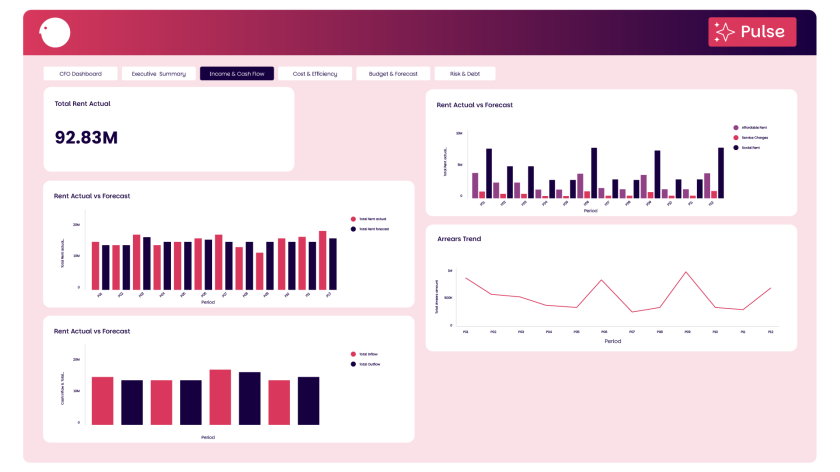
Start by auditing the underlying real estate. Look for a diversified portfolio rather than a single property, which reduces concentration risk. Check if the properties are in stable markets with low vacancy rates. Ensure the token issuer provides regular, audited financial statements for the physical assets. Without verified, tangible collateral, the token is just a speculative instrument.
The success of your investment hinges on the on-chain operator's ability to manage off-chain assets. Review the property manager's track record with traditional real estate portfolios. Do they have a history of timely maintenance and tenant retention? Since you cannot physically inspect the property, their reputation and operational transparency are your primary safeguards against neglect.
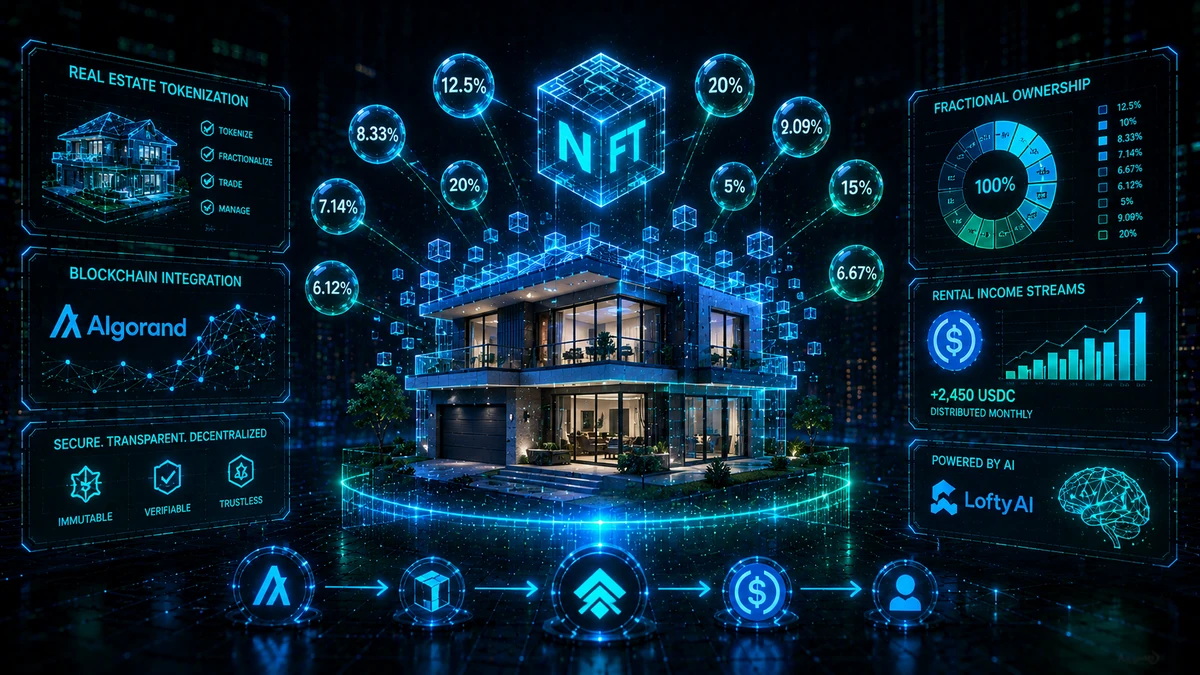
Examine the legal opinion and special purpose vehicle (SPV) structure. The token should represent a direct claim on the SPV that owns the property, not just a promise from the issuer. Ensure the legal framework clearly defines how cash flows are distributed and what happens in case of default or bankruptcy. A robust legal wrapper is the only thing standing between your token and a complex recovery process.
A clean legal structure and a proven manager are the bedrock of reliable rent cashflow tokens analysis. Without these, high yields are often a sign of hidden risks rather than opportunity.
Frequently asked questions about rent tokens
How do you analyze a rental property for cash flow?
Start by adding all income streams—rent, parking, or laundry fees—to find your gross cash flow. Then subtract all operating expenses, including mortgage payments, property taxes, insurance, maintenance, and management fees. The result is your net cash flow, which determines if the asset actually generates income rather than just consuming it.
Do rent cashflow tokens pay dividends?
Yes, but the structure differs from traditional real estate. Tokenized assets often distribute yields as stablecoin payments (like USDC) on a monthly or quarterly basis, reflecting the underlying rent collected. This provides more frequent liquidity than traditional REITs, which typically pay quarterly, though the exact schedule depends on the token issuer’s smart contract.
Are rent tokens liquid compared to direct ownership?
Significantly more so. Selling a physical rental property takes months and involves high transaction costs. Rent tokens trade on secondary markets, allowing you to exit your position in minutes during market hours. However, always check the specific liquidity pool depth, as thin markets can lead to slippage on large orders.
No comments yet. Be the first to share your thoughts!