What rent cashflow tokens actually are
Rent cashflow tokens are digital claims on the income generated by physical rental properties, distinct from traditional real estate investment trusts (REITs) or direct ownership. Instead of buying shares in a diversified fund or managing a physical building, investors hold onchain credits that represent a fractional share of the monthly rent collected from specific assets.
This mechanism transforms illiquid rental income into a tradable onchain asset. The core value proposition lies in the direct link between the token and the underlying cash stream. When tenants pay rent, that income is distributed to token holders, often via stablecoins or automated smart contracts, bypassing the administrative layers typical of traditional property management.
Unlike REITs, which pool capital across many properties and charge management fees, rent cashflow tokens isolate specific income streams. This allows for granular analysis of individual property performance rather than relying on broader market trends. The result is a more transparent, liquid, and direct exposure to real estate yields, aligning investor returns closely with the actual operating performance of the underlying real estate.
The infrastructure powering onchain rental yields
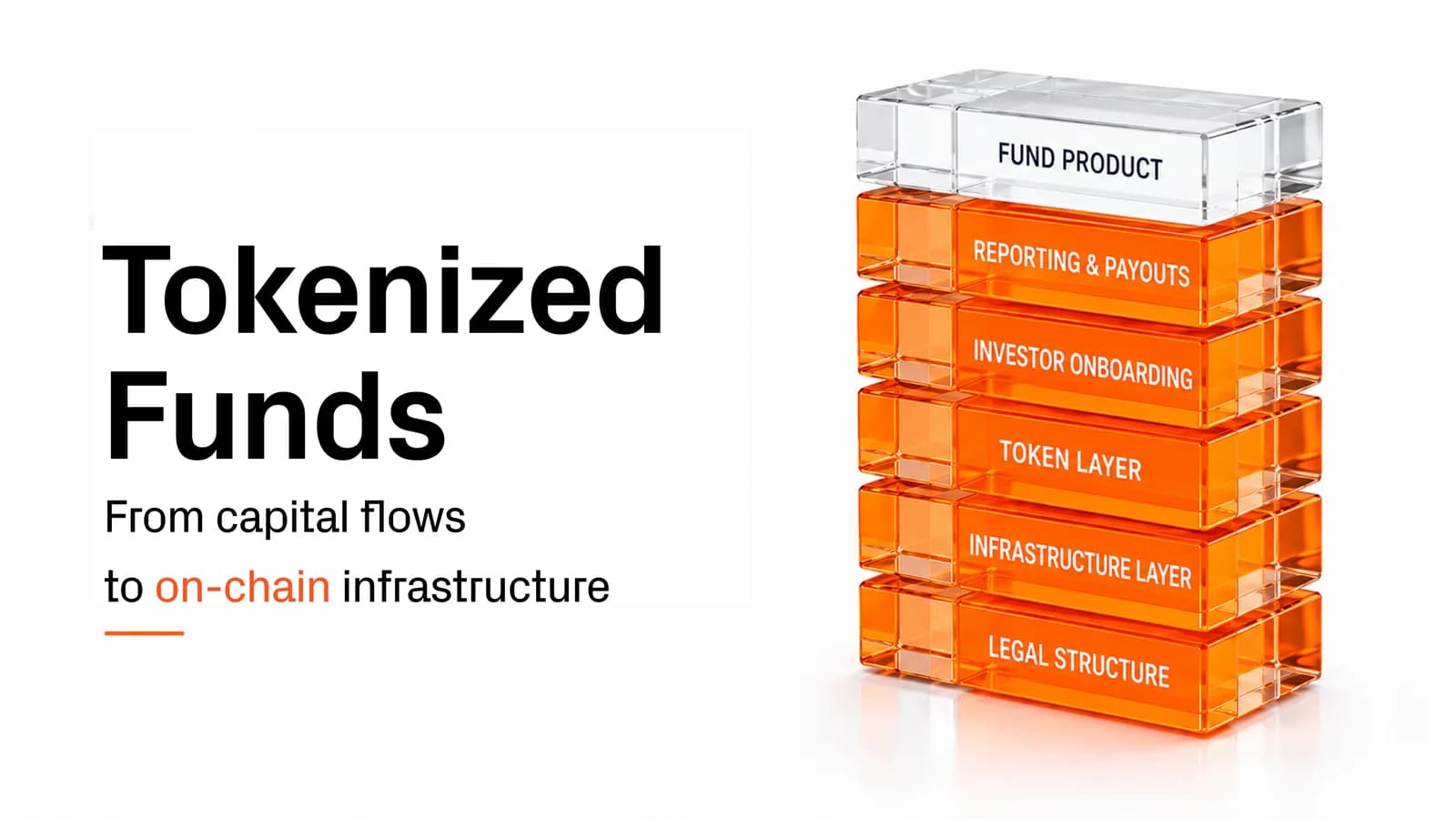
Tokenizing rental cashflow requires bridging the gap between physical lease agreements and digital settlement layers. This isn't simply about listing a property; it is about creating a verified, automated flow of value from tenant to investor. The stack relies on three distinct pillars: legal wrappers that define ownership, oracles that verify payment, and smart contracts that distribute yields.
Legal wrappers provide the foundational claim. A Special Purpose Vehicle (SPV) or similar entity holds the title to the physical property, while the token represents a fractional share of that entity. Without this legal structure, the token is merely a speculative derivative with no claim on the underlying rent. The SPV ensures that when a tenant pays rent, it is a legally binding obligation that can be enforced in traditional courts, giving the onchain token real-world backing.
Oracles act as the nervous system, pulling off-chain data onto the blockchain. In traditional real estate, rent payments are processed through banks and property management software. Oracles aggregate these payment records, verifying that the tenant has paid on time and in full. This data is then fed into the smart contract. If the oracle data shows a missed payment, the contract can automatically trigger penalties or adjust the yield distribution, removing the need for manual reconciliation.
Smart contracts execute the distribution logic automatically. Once the oracle confirms receipt of rent, the contract splits the cashflow according to the token holder's share. This happens in near real-time, often settling in stablecoins like USDC. This immediacy contrasts sharply with traditional real estate, where investors might wait 30 to 60 days for quarterly or monthly distributions after processing fees.
Technical chart of rent cashflow tokens
Comparing rent cashflow token structures
Rent cashflow tokens are not a monolith. While the promise of on-chain yield is consistent, the underlying legal and financial structures vary significantly. Understanding these differences is essential for accurate analysis, as the risk profile and liquidity mechanics depend entirely on how the token is built.
The market generally splits into two primary models: equity-backed and debt-backed. Equity tokens represent fractional ownership in the property itself. Investors hold a share of the asset’s appreciation and residual cash flow after expenses. This structure aligns your returns with the property’s performance but exposes you to vacancy risk and capital expenditure spikes. In contrast, debt-backed tokens function like a private mortgage. You are lending money to the property owner or a special purpose vehicle (SPV) in exchange for fixed or floating interest payments. Your return is contractual, not dependent on the property’s sale price, but you are subordinate to senior lenders in a default scenario.
Another critical distinction is asset concentration. Single-asset tokens are tied to one building. If that property suffers a catastrophic loss or prolonged vacancy, your yield stops. Pooled tokens spread capital across dozens or hundreds of properties. This diversification smooths out cash flow volatility, making it a safer vehicle for yield-seeking investors, though it may dilute the upside from a single high-performing asset.
The table below outlines the structural differences between these common tokenization models.
| Feature | Equity-Backed | Debt-Backed | Single-Asset |
|---|---|---|---|
| Yield Source | Residual cash flow after expenses | Contractual interest payments | Property-specific net operating income |
| Risk Profile | High (market + operational risk) | Medium (credit + default risk) | Concentrated (no diversification) |
| Liquidity | Variable (depends on buyer demand) | Lower (secondary markets are thin) | Limited (harder to sell fraction) |
| Primary Upside | Property appreciation + cash flow | Fixed yield + principal return | Direct exposure to one asset |
When evaluating these structures, remember that tokenization is a wrapper, not a hedge. The on-chain settlement does not eliminate the underlying real estate risks. Whether you choose equity or debt, single or pooled, the fundamental drivers remain rooted in traditional real estate fundamentals: location, occupancy, and expense management.
How yields are built and where they break
Rent cashflow tokens don't print money; they distribute the net spread between what tenants pay and what it costs to keep the building standing. The mechanics are straightforward: gross rental income minus operating expenses, property taxes, insurance, and management fees leaves the net operating income (NOI). After servicing any debt on the property, the remaining cash flows to token holders. If the property is leveraged, the yield on equity can be higher, but it amplifies risk when expenses rise or vacancies occur.
Interest rates act as a gravity well for these yields. When borrowing costs are low, leverage is cheap, and the spread between rental income and debt service widens, boosting token payouts. When rates climb, as seen in the 2022-2023 cycle, debt service eats into NOI, compressing yields. For onchain credit, this means the "yield" you see is often a function of the cost of capital, not just the property's performance. High rates can turn a positive cashflow property into a negative one if the rent doesn't keep pace with inflation and debt costs.
The real risk isn't just market fluctuation; it's the bridge between code and concrete. Smart contract failures—bugs, exploits, or governance attacks—can freeze or drain funds instantly. Unlike a traditional REIT, where legal recourse is established, onchain token holders often lack direct ownership of the underlying asset. If the Special Purpose Vehicle (SPV) holding the property defaults or the legal structure is challenged, recovering funds is difficult and slow. The token is a claim, not the deed.
Callout: The yield you see on-chain is nominal. Real yield depends on inflation, gas fees for transactions, and the stability of the underlying legal entity. A 10% APY might be 2% real return after costs and inflation.
Regulatory enforcement is the other half of the risk equation. If a jurisdiction decides these tokens are unregistered securities, the entire platform could be shut down, freezing assets. This legal ambiguity means that even if the code works perfectly, the business model might not survive a regulatory crackdown. Investors must assume that the legal wrapper is fragile until proven otherwise in court.
How to enter the rent cashflow tokens market in 2026
Entering this market requires treating on-chain yields with the same rigor as traditional real estate underwriting. The digital wrapper changes how you access the asset, but it does not change the math. You are still buying a slice of a building's net operating income, and the underlying property must still generate enough rent to cover debt service, maintenance, and reserves.
Start by verifying the asset's Gross Rent Multiplier (GRM) and capitalization rate. A low GRM suggests strong immediate cash flow, while a high GRM often points to appreciation potential with tighter margins. Use these metrics to filter out speculative projects that rely on future value growth rather than current rental income. The analysis should always begin with the property's ability to pay its bills today, not its promise of growth tomorrow.
Check the property's historical occupancy and expense ratios. Reliable platforms provide audited rent rolls and operating statements. Look for a consistent net operating income (NOI) that exceeds the projected debt service by a comfortable margin, typically 1.25x or higher.
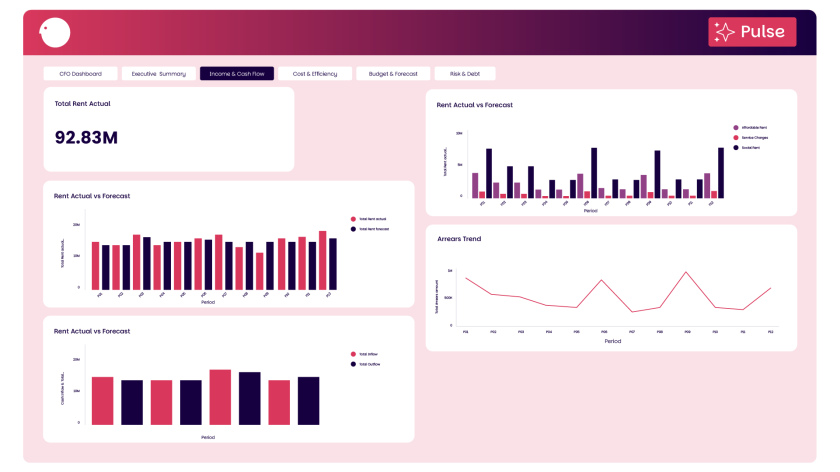
Evaluate the smart contract's distribution logic. Does it automatically route rental income to token holders? Check if the protocol has been audited by reputable firms and if there are clear legal frameworks governing the relationship between the token and the underlying LLC.
Avoid concentrating your portfolio in a single geographic region or property type. Spread your exposure across different markets with varying economic drivers to mitigate the risk of localized downturns affecting your overall cash flow.
Positioning your capital in this space should be viewed as a fixed-income strategy with equity upside. Allocate a portion of your portfolio to these tokens as a yield-generating component, similar to how you might hold corporate bonds or REITs. Monitor the underlying property performance quarterly, not just the token price, to ensure the investment thesis remains intact.
Frequently asked questions on rental tokens
How do I analyze a rental property for cash flow?
To analyze a rental property for cash flow, subtract the total operating costs and mortgage payment from the total rental income value. Cash flow is the net amount of money an investment generates each month after covering expenses like taxes, insurance, and maintenance. In the context of rent cashflow tokens, this calculation determines the underlying yield distributed to token holders.
What is a good cash flow margin for rentals?
Cash flow from a property is typically estimated at 50% of gross rents, though this varies by region. Markets in the Midwest often see margins of 55-60%, while high-cost areas like California, New York, or Florida may drop to 35%. Understanding these regional variances is essential when evaluating the stability of on-chain credit yields derived from tokenized real estate.
How does the Gross Rent Multiplier (GRM) affect cash flow?
The Gross Rent Multiplier (GRM) indicates the relationship between property price and gross rental income. A higher GRM typically signals less cash flow but potentially more appreciation upside. Conversely, a low GRM suggests increased immediate cash flow with less room for price growth. For tokenized assets, a lower GRM often translates to more predictable, frequent yield distributions.
Why do rental cash flow calculations vary so much?
Calculations vary because expense structures differ significantly across markets and property types. Traditional analysis often relies on estimates, but tokenized rent cashflow tokens rely on smart contracts that execute payments automatically. This automation reduces administrative friction, though it requires accurate initial data inputs to ensure the yield calculations remain precise and transparent.
No comments yet. Be the first to share your thoughts!