What rent cashflow tokens actually pay
Rent cashflow tokens turn rental income into onchain dividends. When you buy a tokenized share of a rental property, you aren't buying the deed. You are buying a slice of the Special Purpose Vehicle (SPV) that owns the building. The SPV collects rent from tenants, pays the mortgage and property taxes, and distributes the remaining profit to token holders.
The mechanics are straightforward but require due diligence. The property manager collects gross rent. From that amount, they deduct vacancy costs, maintenance, insurance, property management fees, and debt service. The residual amount is the net cashflow. This net figure is then prorated among token holders based on their share of the SPV.
This structure separates the hype from the reality. Unlike stocks, where dividends can be cut by board decisions without immediate cause, rental cashflow depends on physical occupancy and local market rents. If a tenant moves out or a roof leaks, the yield drops. There is no cushion. Investors must look at the net yield after all expenses, not just the headline rental rate.
Current Yield Landscape
Yields vary significantly by market and leverage. Below is a technical view of broader real estate market trends that often correlate with tokenized yield performance.
Top platforms for tokenized rental yields
The market for tokenized real estate has matured from experimental pilots to structured platforms offering distinct value propositions. For 2026, the choice of platform dictates your exposure to specific jurisdictions, liquidity terms, and net yield potential. Because tokenized properties are illiquid assets, your choice of vehicle is a long-term commitment rather than a short-term trade.
We compare three leading platforms—RealT, Propy, and Lofty—based on their net yield structures, minimum entry points, and legal jurisdictions. These figures represent estimated net yields after platform fees, property management, and reserves. Actual returns vary by property performance and market conditions.
| Platform | Est. Net Yield | Min. Investment | Jurisdiction | Liquidity |
|---|---|---|---|---|
| RealT | 6-9% | $10 | US (Wyoming LLCs) | Secondary market (variable) |
| Propy | 5-8% | $2,000 | Global (varies) | Peer-to-peer transfer |
| Lofty | 7-10% | $50 | US (Multi-state) | Lofty Marketplace (daily) |
RealT is the most established player, focusing heavily on US-based properties held in Wyoming LLCs. Its low minimum investment ($10) allows for granular diversification across multiple assets. However, liquidity is not guaranteed; while a secondary market exists, buyers are not always available, and spreads can be wide during market stress.
Lofty differentiates itself with higher daily liquidity through its internal marketplace, allowing investors to sell tokens more quickly than on open secondary markets. This convenience often comes with slightly higher platform fees, which can compress net yields compared to direct ownership or RealT's model.
Propy takes a broader global approach, facilitating cross-border transactions with a focus on streamlined closing processes. Its higher minimum investment and varying jurisdictional structures make it suitable for investors seeking international exposure, though regulatory clarity can be less predictable than in US-centric platforms.
The math behind net cashflow tokens
When you buy a rent cashflow token, the headline APY is rarely what hits your wallet. The spread between gross rent and net yield depends on three specific levers: platform fees, property management costs, and vacancy drag. Understanding how these interact is the difference between projected returns and actual cash flow.
Platform and management fees
Tokenization platforms typically charge an annual management fee ranging from 1% to 3% of the asset’s value or gross income. This covers the legal structuring, blockchain maintenance, and investor reporting. However, this is only the first layer. Traditional property management fees usually run between 8% and 12% of collected rent. These fees pay for tenant screening, maintenance coordination, and emergency repairs.
In high-cost markets like California or New York, net operating income (NOI) can be as low as 35% of gross rent due to these combined costs. In the Midwest, where property values are lower and management overhead is reduced, net yields might reach 50-60% of gross rent. Always verify if the platform fee is calculated on gross or net income, as this significantly impacts your final return.
Vacancy and maintenance drag
Vacancy rates are the silent killer of cash flow. A 5% vacancy rate means you are not collecting rent for three weeks out of every year. When you factor in this loss, plus routine maintenance (typically 1-2% of annual rent) and capital expenditures (CapEx) for major repairs, the effective yield drops.
For example, if a property promises a 6% gross yield but has a 5% vacancy rate and 2% in maintenance costs, the net yield is negative. This is why due diligence on the specific asset’s historical occupancy is critical. A high APY on paper often masks poor asset quality or inefficient management. Look for platforms that disclose their historical vacancy rates and CapEx reserves transparently.
Hidden costs and liquidity
Beyond the obvious fees, hidden costs can erode returns. Some platforms charge transaction fees for buying or selling tokens, which can be steep if you need to exit quickly. Liquidity is not guaranteed; if the secondary market is thin, you may have to sell at a discount. Additionally, tax reporting for tokens can be complex, potentially requiring professional accounting services that eat into your profits.
The bottom line is that rent cashflow tokens are not passive income without effort. You must subtract every fee, vacancy period, and maintenance cost from the gross rent to find the true APY. If the numbers don’t work after these deductions, the token is not a good investment, regardless of the marketing hype.
Market trends shaping 2026 returns
The macroeconomic environment for rent cashflow tokens in 2026 is defined by a tug-of-war between interest rate mechanics and crypto market liquidity. Unlike traditional real estate, where property values adjust slowly, tokenized assets react instantly to shifts in both the Federal Reserve’s rate policy and Bitcoin’s broader market cycles. Understanding these dual pressures is essential for calculating net yield after all fees.
Interest rates remain the primary drag on property valuations. When rates stay elevated, debt service costs increase, compressing the net operating income that flows to token holders. This dynamic forces a re-evaluation of cap rates across the sector. While some markets absorb higher costs through rent increases, others see cash flow dilution. For token investors, this means the underlying asset’s performance is no longer isolated from the broader financial system.
Simultaneously, crypto market cycles dictate token demand and liquidity. During bull markets, speculative capital flows into real-world asset (RWA) tokens, often inflating prices beyond the value of the underlying rent stream. In bear markets, liquidity dries up, making it difficult to exit positions without a discount. The correlation between these two forces creates a unique risk profile for 2026.
To navigate this landscape, investors must look beyond headline yields. A high gross yield can be misleading if transaction fees or liquidity premiums erode the final return. The following chart illustrates the historical correlation between tokenized real estate yields and traditional REITs, highlighting how macro trends impact both sectors.
Risks in Tokenized Real Estate
Tokenized real estate offers fractional ownership, but it introduces layers of risk that traditional direct ownership does not. While the underlying property may be stable, the token itself is exposed to smart contract vulnerabilities, regulatory uncertainty, and liquidity constraints. Understanding these distinct risk vectors is essential for protecting your net yield.
Smart Contract and Platform Risk
Unlike a physical deed held in a county recorder’s office, your ownership is recorded on a blockchain via a smart contract. If the code contains a bug or is exploited, funds can be lost irreversibly. You are dependent on the platform’s operational security. A hack or a centralized failure of the issuer can freeze assets or erase balances, regardless of the property’s actual value.
Regulatory Uncertainty
The legal framework for security tokens is still evolving. Regulations vary significantly by jurisdiction, and changes in securities laws could impact the liquidity or even the legality of holding certain tokens. If a platform fails to comply with evolving regulations, it may face fines, forced restructuring, or shutdown, potentially trapping your capital or reducing the value of your claim on the underlying asset.
Liquidity Traps
While tokens promise easier trading than physical real estate, liquidity is not guaranteed. Many tokenized platforms have limited secondary markets. In times of market stress, you may find no buyers for your tokens, or you may be forced to sell at a significant discount. Unlike selling a house, which is slow but has a broad buyer pool, selling illiquid tokens can result in a total inability to exit your position.
Property-Specific Issues
The underlying real estate still faces traditional risks. Tenant default, property damage, or local market downturns directly impact cash flow. In a tokenized structure, these issues are amplified because the costs are shared among many small investors who have no control over property management. A vacancy period or unexpected repair bill reduces the yield for every token holder, and the administrative overhead of distributing these losses can be complex.
How to evaluate a rent cashflow token
Before committing capital, you need to separate the underlying asset from the financial wrapper. A token is just a digital receipt; its value depends entirely on the property it represents and the team managing it. Use this checklist to verify the real estate fundamentals before looking at the blockchain data.
Start with the physical asset. Check the property’s location stability and current occupancy rates. A tokenized property in a declining market carries higher risk than a stable, high-demand area. Ensure the underlying data matches public records.
Management fees can silently eat into your returns. Review the operating agreement to see how much is deducted before distribution. High management fees or complex fee structures often signal poor capital efficiency. You want a transparent, flat-rate model.
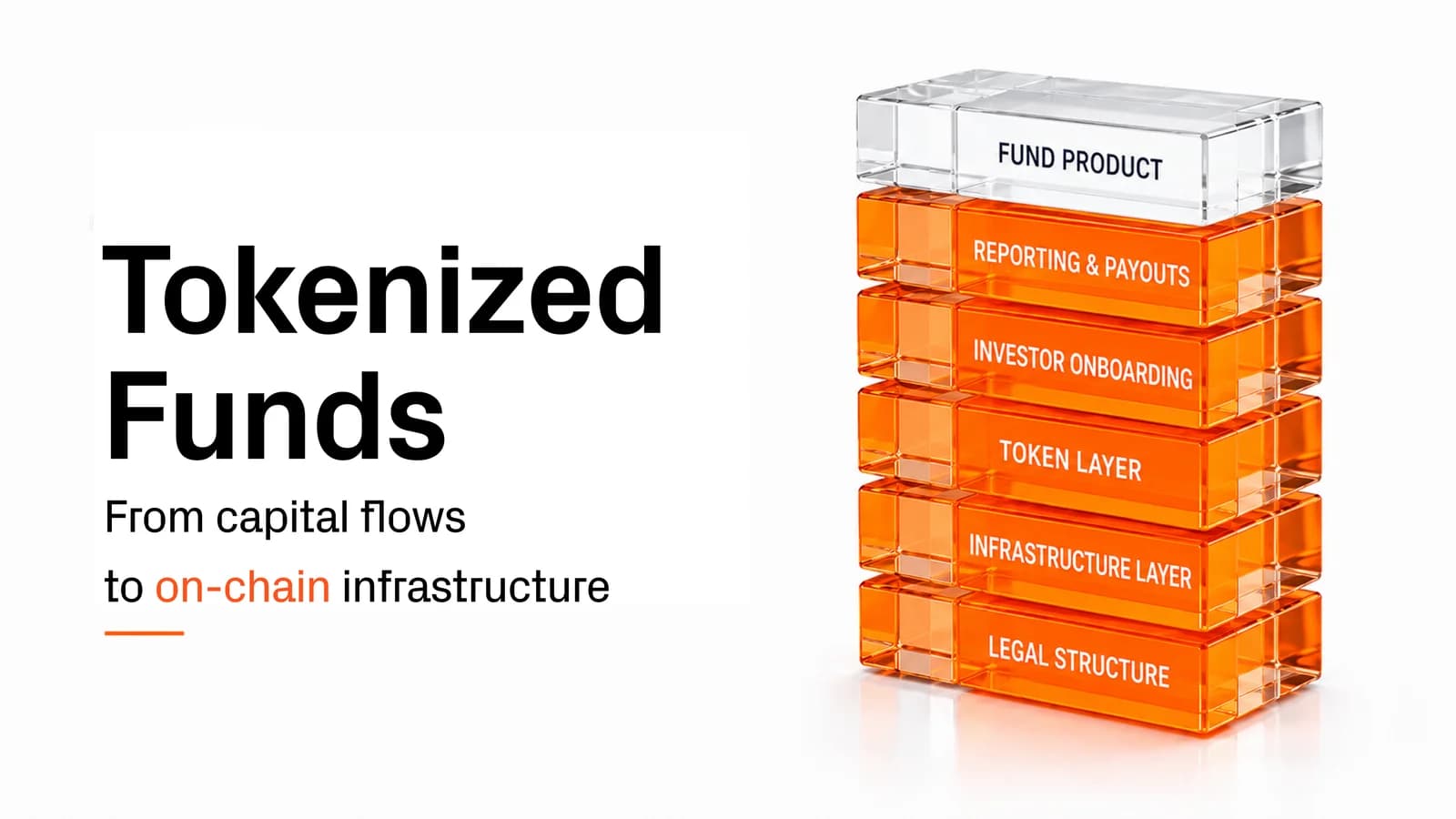
The code must be secure. Look for recent audits from reputable firms like CertiK or OpenZeppelin. An unaudited contract is a significant risk. Ensure the distribution logic matches the legal offering documents exactly.
Once you have verified the physical and technical foundations, check the current yield. Use the widget below to see how current market rates compare to typical tokenized returns.
Frequently asked: what to check next
Can I sell my tokens instantly?
No. Unlike stocks, these tokens are illiquid and tied to the underlying property's lease cycle. You typically must wait for a designated transfer window or find a secondary buyer. Plan your capital accordingly; this is a long-term hold, not a trading vehicle.
Are yields taxable as ordinary income?
Yes. Most platforms report distributions as ordinary income on a Schedule E, not as qualified dividends. Depreciation may offset some gains, but the cash flow itself is taxed at your marginal rate. Consult a CPA to understand your specific liability before investing.
What is the minimum investment amount?
Most platforms allow you to start with as little as $10 to $100. This low barrier is a primary benefit of fractionalization, allowing you to diversify across multiple properties with a single deposit.
How is the cash flow calculated?
Net yield is derived by subtracting all operating expenses, property management fees, and debt service from the total rental income. Always look at the net yield after these deductions, as gross rent figures can be misleading.
Is my principal guaranteed?
No. Real estate values can fluctuate, and vacancies or unexpected repairs can impact distributions. Your capital is at risk if the property underperforms or if the market declines.
No comments yet. Be the first to share your thoughts!