what rent cashflow tokens actually are
Rent cashflow tokens are digital shares representing fractional ownership in income-generating real estate. Unlike general real estate tokens that may track equity appreciation or development projects, these instruments are designed specifically to distribute rental income to holders. The structure turns a physical property into a liquid asset where the primary value driver is the net operating income it produces.
The mechanism is straightforward. A property is placed in a special purpose vehicle (SPV), and the SPV’s equity is tokenized on a blockchain. Tenants pay rent to the SPV. After deducting property management fees, maintenance, taxes, and debt service, the remaining cash is distributed to token holders, typically in stablecoins or fiat via on-chain smart contracts. This process mirrors traditional real estate investment trusts (REITs) but offers greater transparency and faster settlement times.
This distinction matters for analysis. When evaluating rent cashflow tokens, you are not just assessing market trends; you are auditing the underlying property’s operational efficiency. The token’s price may fluctuate, but the yield depends on the actual cash flow generated by the real estate. This makes the asset class a hybrid of fixed-income characteristics and real estate exposure, requiring a different analytical lens than standard stock or crypto investments.
Comparing major rent cashflow token platforms
The landscape for rent cashflow tokens is splitting into distinct categories based on how they handle liquidity, yield distribution, and regulatory compliance. While the underlying asset—residential real estate—remains the same, the infrastructure varies significantly. Some platforms focus on fractional ownership with high regulatory barriers, while others prioritize secondary market liquidity with lighter compliance frameworks.
To make a clear rent cashflow tokens analysis, we need to look beyond the advertised annual percentage yield (APY). High yields often come with illiquidity locks or higher default risk. A robust comparison requires looking at the minimum investment, the specific jurisdiction of the legal entity, and the mechanism for secondary sales.
The following table breaks down the structural differences between three representative platform models currently operating in the space. Note that specific token names and yields change frequently; these examples illustrate the structural trade-offs you will encounter.
| Feature | Compliance-First (US/EU) | Liquidity-Focused (Global) | Hybrid Model |
|---|---|---|---|
| Regulatory Status | SEC Registered / MiCA Compliant | Exempt Offering / DAO Governed | Mixed Jurisdiction (Multi-Entity) |
| Minimum Investment | $10,000+ | $100 - $500 | $1,000 - $5,000 |
| Liquidity Mechanism | Quarterly Redemption Windows | 24/7 Secondary Marketplace | Monthly Redemption + OTC Desk |
| Yield Distribution | Stablecoin (USDC/USDT) Monthly | Native Token + Stablecoin | Stablecoin Quarterly |
| Asset Transparency | Audited Financials + Property Reports | On-Chain Data Only | Hybrid (On-Chain + Audits) |
Understanding the Trade-offs
The compliance-first model offers the highest level of investor protection but limits access to accredited investors or those in specific jurisdictions. The liquidity-focused model allows for quick entry and exit, but the yield may be more volatile due to market sentiment affecting the token price. The hybrid model attempts to balance these, often at the cost of complexity.
When evaluating these options, remember that the cap rate—the net operating income divided by the property value—is the foundational metric for yield stability. Platforms that disclose clear cap rates and gross rent multipliers (GRM) tend to offer more predictable cash flows. Always verify the source of the yield: is it coming from actual rental income, or is it subsidized by new investor capital?
For a deeper dive into how these metrics translate to actual returns, refer to our analysis on rental property cash flow calculations. This context helps you distinguish between platforms that are generating real income and those that are merely tokenizing speculative value.
Building a rent cashflow tokens strategy
Constructing a portfolio of rent cashflow tokens requires treating them differently than standard crypto holdings. These assets sit at the intersection of real estate fundamentals and blockchain liquidity, meaning your strategy must balance yield generation with the specific risks of tokenized infrastructure. The goal is not just to chase high APYs, but to build a resilient income stream that complements your existing digital asset exposure.
Start by defining your risk tolerance regarding the underlying real estate. Unlike liquid crypto, tokenized rentals are subject to property management quality, local market conditions, and regulatory shifts. A prudent approach involves allocating only a portion of your crypto portfolio to these illiquid or semi-liquid assets, ensuring that a downturn in the real estate sector does not disproportionately impact your overall liquidity needs.
Due diligence checklist
Before deploying capital, verify the operational integrity of the token issuer. Use this checklist to evaluate potential investments:
- Legal Structure: Confirm the Special Purpose Vehicle (SPV) holding the property is properly capitalized and insured.
- Cash Flow Distribution: Review historical distribution records to ensure payments are consistent and transparent.
- Liquidity Mechanism: Understand the secondary market or buyback program; can you exit if you need capital?
- Platform Security: Assess the smart contract audits and the custody solutions for the underlying rental income.
Integrating with traditional crypto holdings
Rent cashflow tokens can serve as a stabilizer in a volatile crypto portfolio. While Bitcoin and Ethereum may swing wildly, tokenized real estate often correlates more closely with traditional interest rates and housing markets. This low correlation can reduce overall portfolio volatility. However, be cautious of over-concentration in a single property or geographic region. Diversify across multiple tokens and platforms to mitigate idiosyncratic risk.
Monitor the broader market context. Interest rate changes directly impact both traditional real estate valuations and the opportunity cost of holding crypto assets. When rates rise, real estate yields become more attractive, potentially increasing the value of your tokens. Conversely, in a low-rate environment, crypto may offer higher relative returns. Adjust your allocation dynamically based on these macroeconomic shifts.
Monitoring and rebalancing
Regularly review your tokenized real estate holdings alongside your crypto assets. Set alerts for distribution payments and property performance metrics. If a token’s yield drops significantly or the underlying property faces vacancies, consider rebalancing. This might mean selling the token to buy more liquid crypto assets or reallocating to a different real estate token with stronger fundamentals.
Remember that tokenized real estate is not a set-and-forget investment. Active management ensures you capture the full benefit of the cash flow while minimizing exposure to operational failures. By combining rigorous due diligence with a balanced portfolio strategy, you can harness the potential of rent cashflow tokens as a complementary asset class.
Tracking performance with live market data
Monitoring rent cashflow tokens requires looking beyond the static price tag. You need to watch how the token price interacts with the underlying real estate metrics, such as net operating income and occupancy rates. When these variables move in sync, the token behaves like a traditional REIT. When they diverge, it signals a specific risk or opportunity in the rent cashflow tokens analysis.
Use live data feeds to catch these shifts early. A static price snapshot tells you what happened yesterday; a live chart shows you the momentum today. This distinction matters when you are managing a portfolio of tokenized assets, as small discrepancies in data latency can lead to significant valuation errors over time.
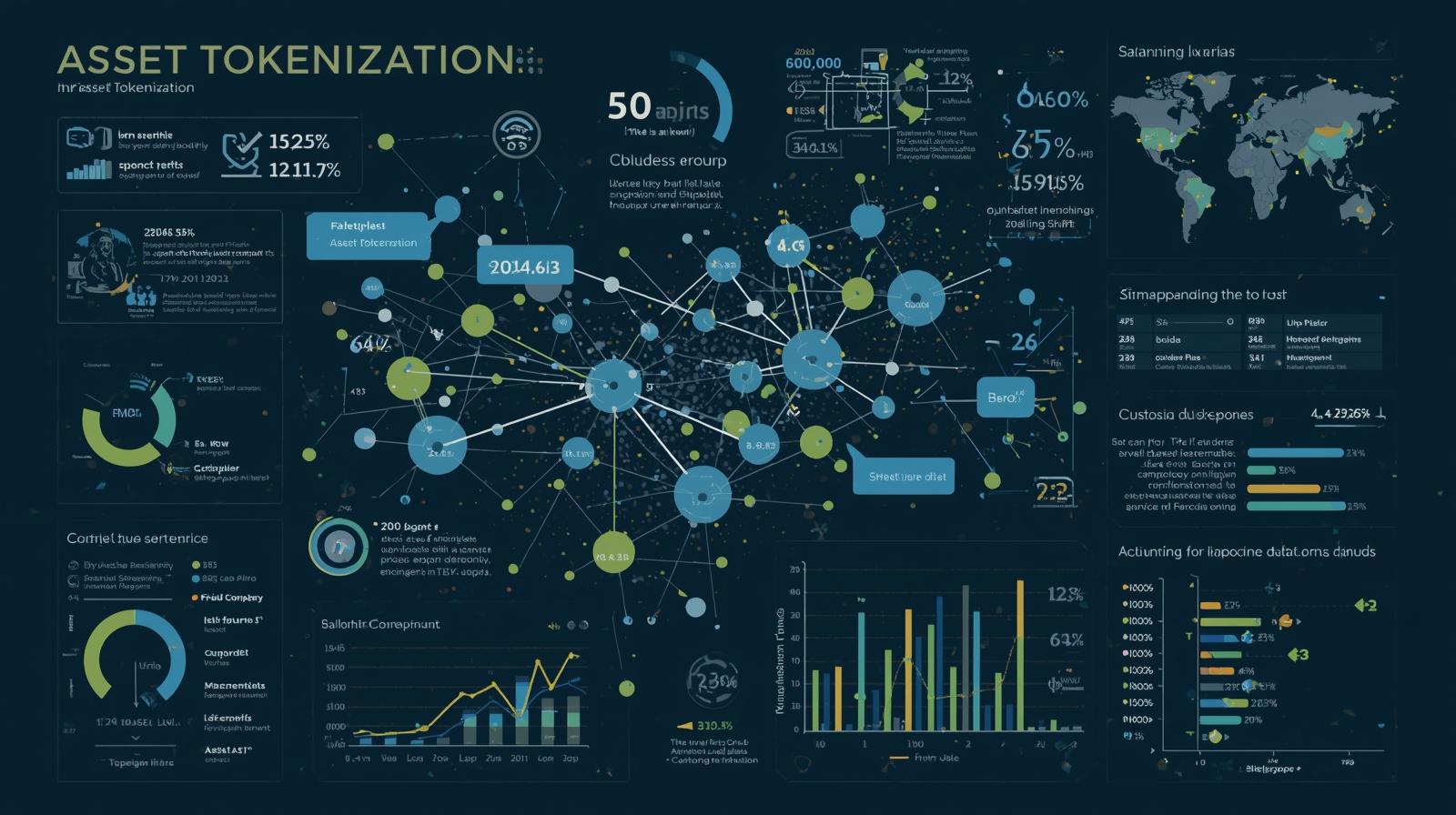
The chart below provides a live view of a representative token price action. This visual context helps you identify trend reversals or volatility spikes that might not be obvious from a simple price list. Pair this with a real-time price widget to ensure you are trading on the most current market data available.
Essential tools for rent cashflow tokens analysis
Accurate rent cashflow tokens analysis requires moving beyond basic spreadsheets. You need specialized software that handles both traditional real estate metrics and blockchain-specific data streams. This section outlines the primary tools and data sources necessary for this work.
Start with established real estate analysis platforms. Tools like RentSpree or Apartments.com provide reliable baseline rental data, which serves as the foundation for your cash flow projections. Pair this with general-purpose financial modeling software like Excel or Google Sheets for custom token yield calculations. For on-chain verification, use block explorers like Etherscan or Solscan to track actual token distributions and smart contract interactions.
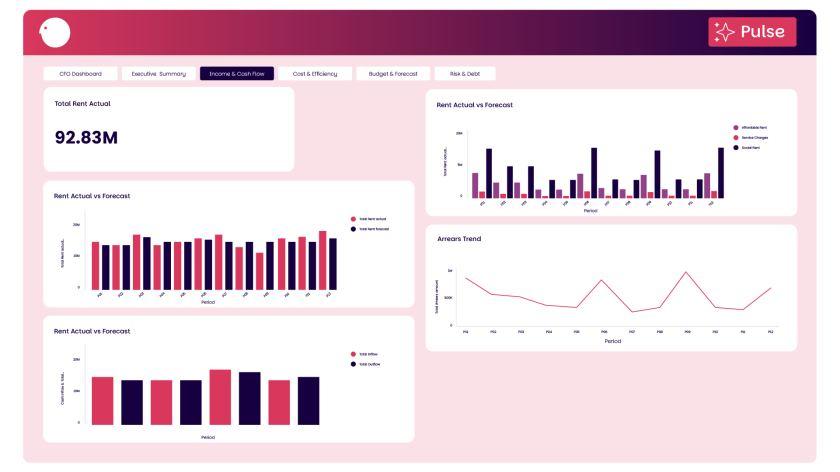
Don't overlook market sentiment tools. Platforms like Glassnode or CryptoQuant offer insights into token holder behavior and liquidity trends, which directly impact the stability of your rent cashflow tokens analysis. Combining off-chain rental data with on-chain token metrics gives you a complete picture of your investment's performance.


As an Amazon Associate, we may earn from qualifying purchases.
frequently asked questions about tokenized rent
How do I calculate cash flow for rent cashflow tokens?
Rent cashflow tokens represent fractional ownership in real estate assets. To understand the underlying value, you must calculate the net operating income (NOI) minus debt service and reserves. This process mirrors traditional rental property analysis, where you subtract all operating expenses from gross rental income to determine the actual monthly profit.
Are rent cashflow tokens taxed as real estate or securities?
Tax treatment depends on your jurisdiction and the specific structure of the token. In many cases, distributions are treated as passive income or dividends, similar to REITs. However, because these are newer instruments, regulations vary. Consult a tax professional to determine if you are subject to capital gains tax, income tax, or specific real estate withholding rules.
How liquid are rent cashflow tokens compared to traditional rentals?
Traditional rental properties are illiquid, often taking months to sell. Tokenized rent offers secondary market trading, potentially allowing you to exit a position in days or hours. However, liquidity varies by platform and token volume. Unlike physical property, you are not responsible for maintenance or tenant issues, but you also do not have direct control over asset management.
No comments yet. Be the first to share your thoughts!