What rent cashflow tokens actually are
Rent cashflow tokens represent a specific slice of real estate investment: the right to collect net operating income (NOI) from a property, rather than ownership of the building itself or a fixed-income debt instrument. When you buy a tokenized rental property, you are purchasing a digital share of the cash flow stream generated by that asset. This distinction is critical because it isolates the income-generating capability of the real estate from the broader market risks associated with property appreciation or structural debt burdens.
Unlike traditional real estate equity, where returns are tied to the fluctuating value of the land and improvements, rent cashflow tokens focus strictly on the yield. The investor’s return is derived from the monthly rent payments collected from tenants, minus operating expenses such as maintenance, insurance, and property management fees. This model provides a more predictable income stream, similar to a bond coupon, but backed by the tangible value of the underlying real estate. It transforms illiquid rental income into a tradable digital asset, allowing for fractional ownership and 24/7 market liquidity.
This structure also differs from real estate debt, where lenders receive fixed interest payments regardless of the property’s performance. With rent cashflow tokens, the payout is variable. If the property is fully occupied and expenses are controlled, the yield is strong. If vacancies rise or maintenance costs spike, the cashflow distribution decreases. This aligns the investor’s interests directly with the operational efficiency of the property manager and the tenant quality, creating a direct link between asset performance and investor returns.
Comparing top rent cashflow token platforms
When analyzing rent cashflow tokens, the landscape is defined by three primary contenders: RealT, Lofty, and Propy. Each platform structures its onchain real estate yields differently, affecting everything from your minimum entry point to the liquidity of your position. Choosing the right vehicle depends on whether you prioritize immediate monthly distributions, long-term appreciation, or regulatory simplicity.
The following comparison table breaks down the core mechanics of each platform. This data reflects current market conditions and platform terms as of 2026, focusing on the metrics that directly impact your net yield.
| Platform | Min Investment | Avg. Yield | Primary Location | Liquidity Terms |
|---|---|---|---|---|
| RealT | $50 | 6-9% | US (Michigan, Ohio, etc.) | Secondary market (variable) |
| Lofty | $250 | 8-12% | US (Florida, Texas, etc.) | Lofty Exchange (instant) |
| Propy | Varies | 5-8% | Global (US, EU, Asia) | OTC/Partner exchanges |
RealT has established itself as the pioneer in fractional ownership, offering high accessibility with $50 minimums. Its yield structure relies heavily on US Midwest properties, which provide stable, albeit modest, cashflow. The tradeoff is liquidity; while you can sell tokens on their secondary market, buyers are not guaranteed, and spreads can vary.
Lofty targets the vacation rental segment, primarily in high-demand markets like Florida and Texas. By focusing on short-term rentals, Lofty often commands higher gross yields, frequently ranging between 8% and 12%. Their proprietary exchange offers a more streamlined liquidity path, allowing for near-instant trading, which is a significant advantage for investors seeking flexibility.
Propy operates on a broader global scale, facilitating transactions across the US, Europe, and Asia. This diversification can mitigate regional market risks, but it introduces complexity regarding tax reporting and regulatory compliance. Yields are generally more conservative, reflecting the broader geographic exposure and varying property management standards across different jurisdictions.
When evaluating these options, remember that yield is not static. It fluctuates with occupancy rates, property management fees, and broader interest rate environments. Always verify the most recent distribution data directly on the platform before committing capital.
Analyzing yield and risk factors
A rigorous Rent Cashflow Tokens analysis requires isolating the constraint, comparing realistic options, testing tradeoffs, and selecting the path with the fewest hidden costs. This sequence ensures the advice remains usable rather than decorative. After each step, verify whether the recommendation fits your actual situation. If a strategy depends on perfect timing, unusual access, or a best-case budget, include a simpler fallback.
The core of this analysis is writing down the real constraint first, comparing each option against it, and choosing the path that still works outside ideal conditions. This approach prevents over-leveraging on speculative yields and grounds your investment thesis in operational reality.
Liquidity and regulatory limits to account for
Rent cashflow tokens are not liquid assets. Unlike publicly traded stocks, you cannot sell these tokens on a public exchange at the push of a button. The secondary market is fragmented, illiquid, and often restricted to qualified investors. If you need to exit a position quickly, you may find no buyers, or you may have to accept a steep discount to the underlying net asset value. This illiquidity premium is the trade-off for accessing fractional real estate ownership.
Compliance is non-negotiable. Every transaction must adhere to strict KYC (Know Your Customer) and AML (Anti-Money Laundering) protocols. Platforms act as gatekeepers, verifying your identity and accreditation status before allowing you to buy, sell, or even hold tokens. This creates a closed-loop ecosystem where only verified participants can trade. It ensures regulatory compliance but removes the anonymity and ease of entry found in traditional crypto markets.
The legal structure of these tokens is typically a security, meaning they are subject to securities laws in the jurisdictions where they are offered and traded. This adds a layer of legal complexity and oversight that does not exist for utility tokens or cryptocurrencies. Investors must understand that their ownership is tied to a legal entity that holds the underlying property, not the property itself. This structure protects investors but also restricts how the tokens can be transferred or used as collateral.
Building a 2026 rent cashflow strategy
Tokenized real estate removes the friction of physical management, but it demands rigorous due diligence to ensure your Rent Cashflow Tokens analysis reflects reality. The onchain ledger shows what is paid, not what is owed. To protect your capital, you must build a strategy that prioritizes verified income streams over speculative yield.
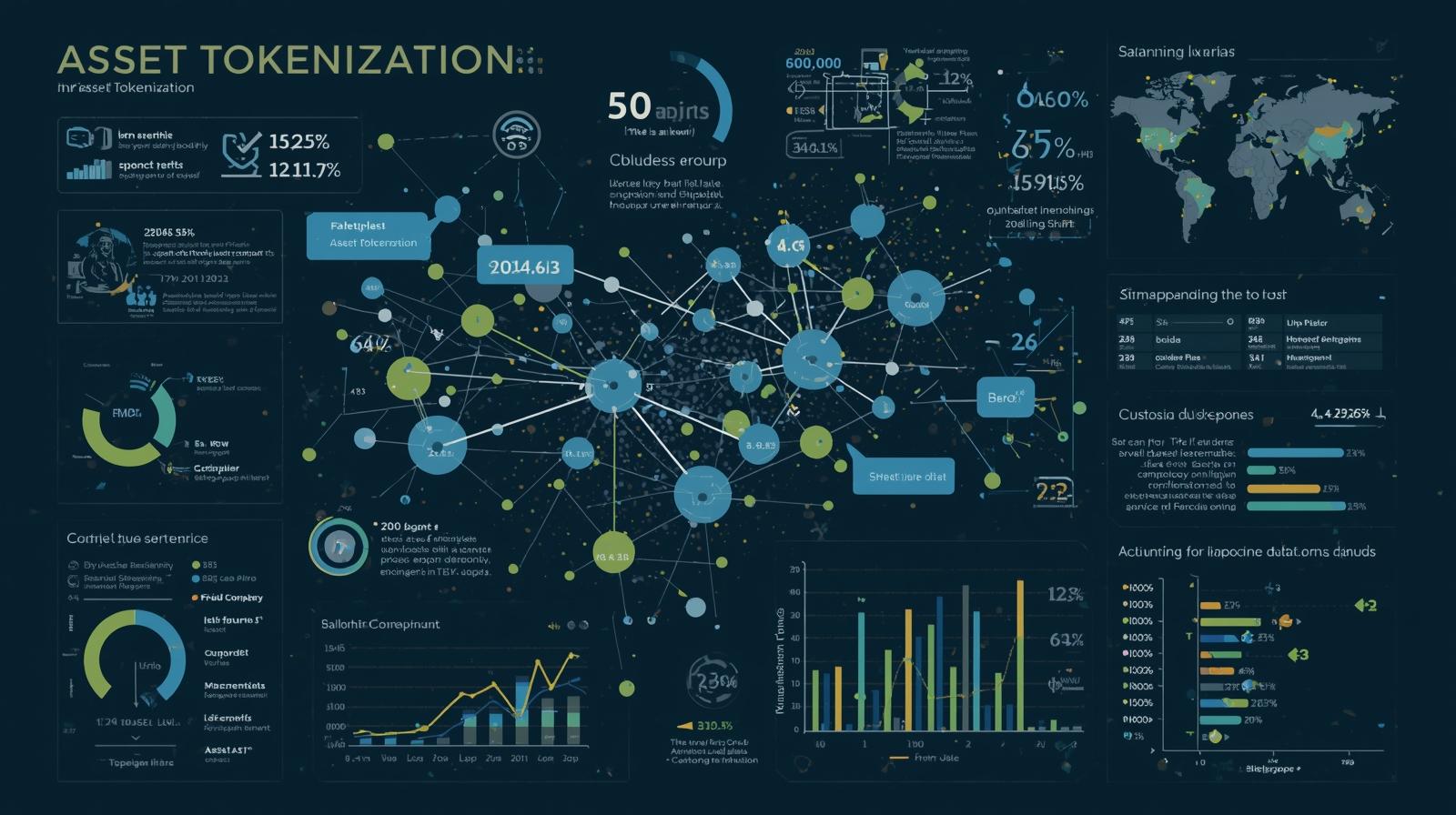
Tokenized yields depend entirely on offchain operations. Confirm that the property manager has a track record of low vacancy and timely maintenance. If the issuer is also the manager, demand independent audit trails for expense disbursements.
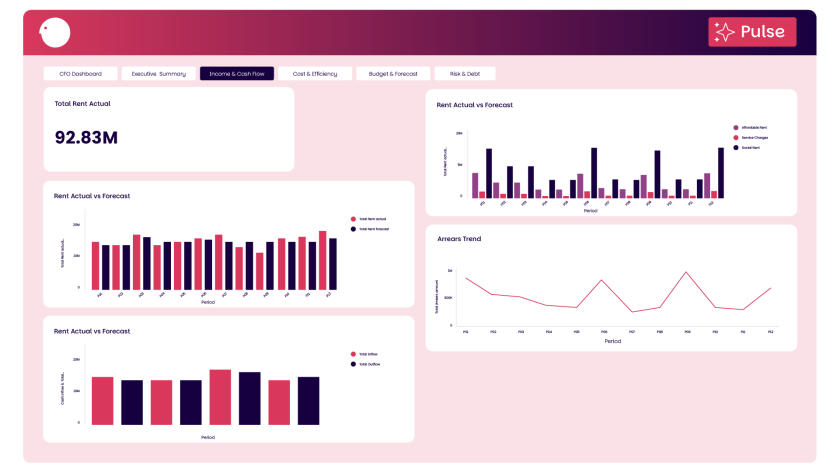
Many tokenized offerings understate maintenance reserves. Use a conservative vacancy rate (10-15%) and add a 5% capital expenditure buffer. If the projected cashflow doesn't hold up under these conditions, the token is likely overpriced relative to its risk.
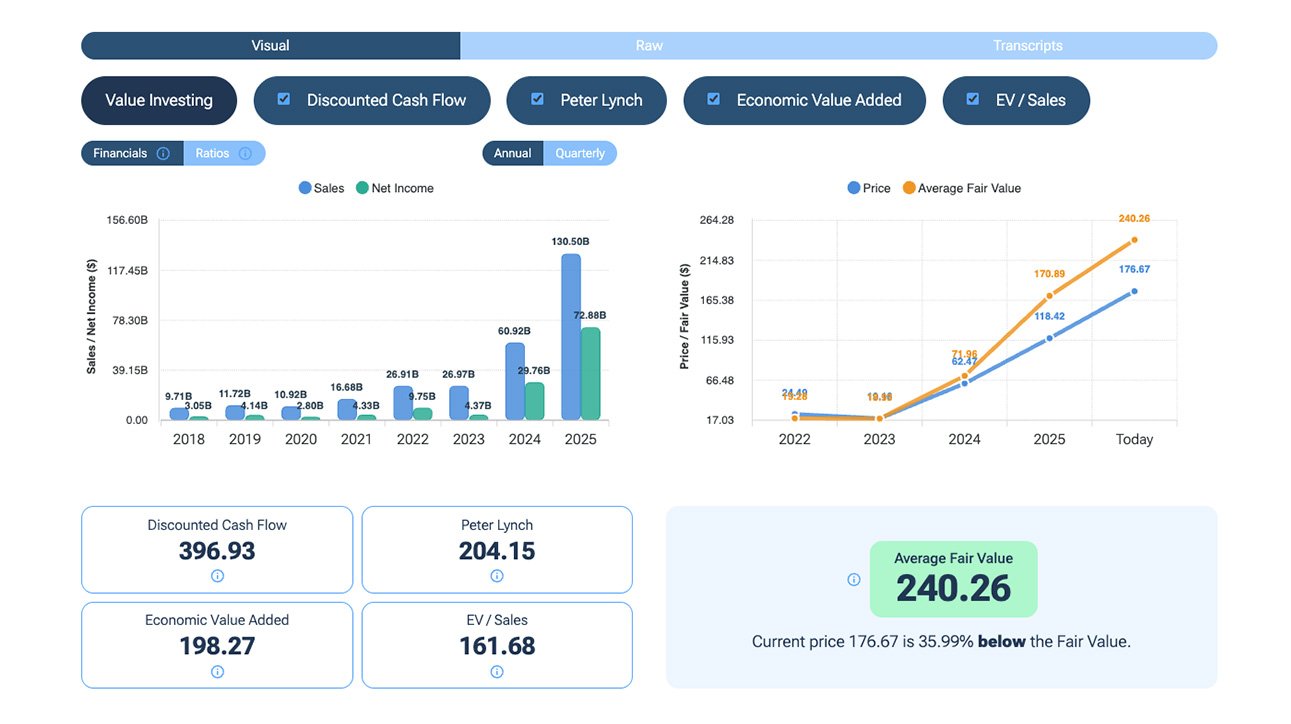
Don't concentrate your exposure in a single token or region. Spread your capital across multiple onchain real estate platforms to mitigate smart contract risk and local market downturns. This creates a portfolio that mimics a diversified REIT but with higher granularity.
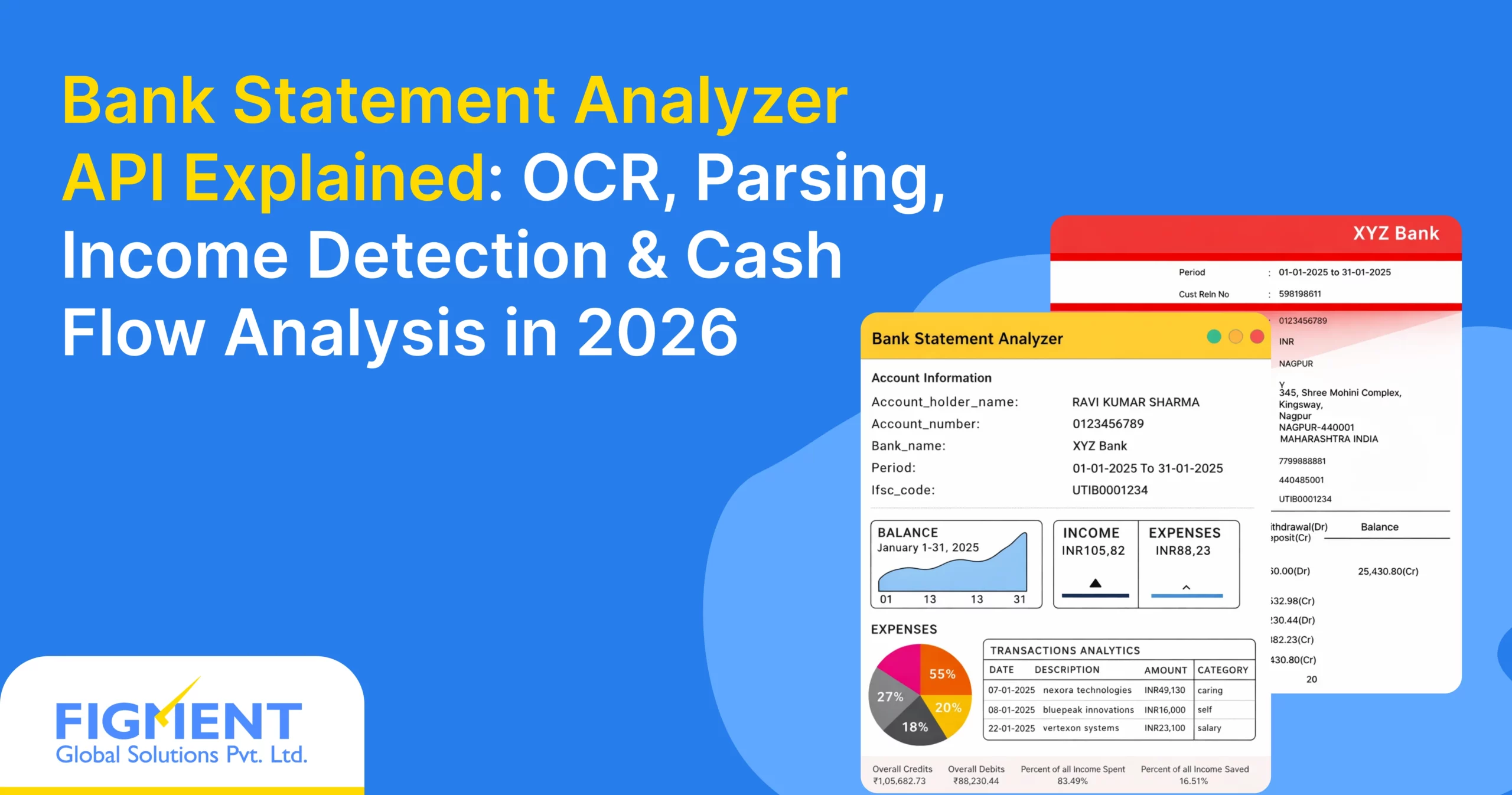
Set up alerts for monthly distribution events. Consistent, on-time payments are the primary signal of a healthy token. Any delay in distribution should trigger an immediate review of the underlying property's financials and the issuer's governance decisions.
A disciplined approach to Rent Cashflow Tokens analysis turns volatile digital assets into reliable income generators. By focusing on verified operations and diversifying your holdings, you can capture the benefits of fractional ownership without the pitfalls of unverified yields.
Common questions about tokenized rent
How to analyze a rental property for cash flow?
Rent cashflow tokens analysis starts with the same fundamental math as traditional real estate. You must calculate the net operating income (NOI) by subtracting all operating expenses—such as property management, insurance, and maintenance—from the gross rental income. Once you have the NOI, subtract your debt service (mortgage payments) to find the actual monthly cash flow. This figure represents the real yield distributed to token holders.
What is the 2% rule in rental property?
The 2% rule is a quick screening metric used to gauge profitability. It states that the monthly rent should be at least 2% of the property’s total purchase price. For example, a $200,000 property should generate $4,000 in monthly rent. While this rule is rarely met in high-cost markets today, it remains a useful benchmark for identifying properties with strong cash flow potential before diving into deeper rent cashflow tokens analysis.
How do cap rates compare to token yields?
The capitalization rate (cap rate) measures the return on investment based on the property’s net operating income and current market value, excluding financing costs. In tokenized real estate, the yield you receive may differ from the property’s cap rate due to platform fees, tokenization costs, and leverage structures. Always compare the token’s projected yield against the underlying asset’s cap rate to understand the true efficiency of the investment.
What is the Gross Rent Multiplier (GRM)?
GRM is a ratio that compares a property’s price to its gross rental income. It is calculated by dividing the property price by the annual gross rent. A lower GRM generally indicates better cash flow potential, while a higher GRM suggests more appreciation upside but lower immediate income. This metric helps investors quickly compare different properties or tokenized assets without getting bogged down in detailed expense analysis.
No comments yet. Be the first to share your thoughts!