What rent cashflow tokens actually are
Rent cashflow tokens represent a specific slice of real estate finance: the right to receive income, stripped of ownership equity. Unlike tokenized equity stakes, which grant proportional ownership in the underlying property and voting rights, these instruments isolate the rental yield. They function more like a bond backed by physical assets than a stock in a real estate company.
The mechanism is straightforward. A property generates gross rental income. After deducting property taxes, insurance, maintenance, and management fees, the remaining net operating income is distributed to token holders. This structure decouples the yield from the property's capital appreciation. You are buying the cash stream, not the building itself.
This isn't equity. Equity tokens appreciate with property value. Rent cashflow tokens pay out based on occupancy and rent collection. It's a yield play, not a growth play.
This distinction matters for your rent cashflow tokens analysis. If you are looking for leverage through property appreciation, equity tokens are the vehicle. If you need predictable, regular income streams similar to a dividend or coupon, rent cashflow tokens offer that exposure without the complexity of direct property management.
How yield distribution works
The flow of funds is automated through smart contracts. When tenants pay rent, the funds enter a designated account or treasury. The smart contract then calculates each token holder's share based on the total tokens in circulation and distributes the net income automatically. This process eliminates the lag time often associated with traditional real estate partnerships or REIT distributions.
However, "net" is the critical word here. The yield you see projected is not what you receive. The smart contract must first deduct operating expenses. If a property sits vacant, the cash flow drops. If repairs are needed, the payout shrinks. The token price may fluctuate, but the yield is directly tied to the property's operational performance, not just market sentiment.
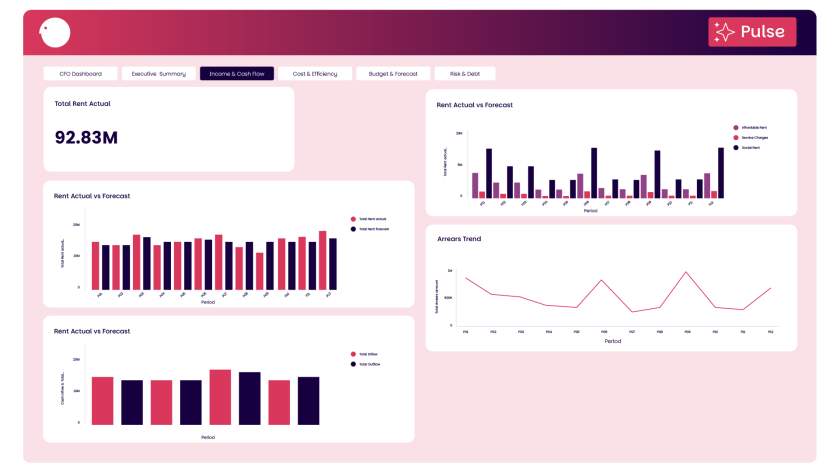
This transparency is the main appeal. You can often track the property's income and expenses in real-time on the blockchain. There are no quarterly reports to decipher; the ledger is the report. This clarity allows for a more precise rent cashflow tokens analysis, letting you assess risk based on actual cash movements rather than estimated valuations.
The technical stack behind rent cashflow tokens
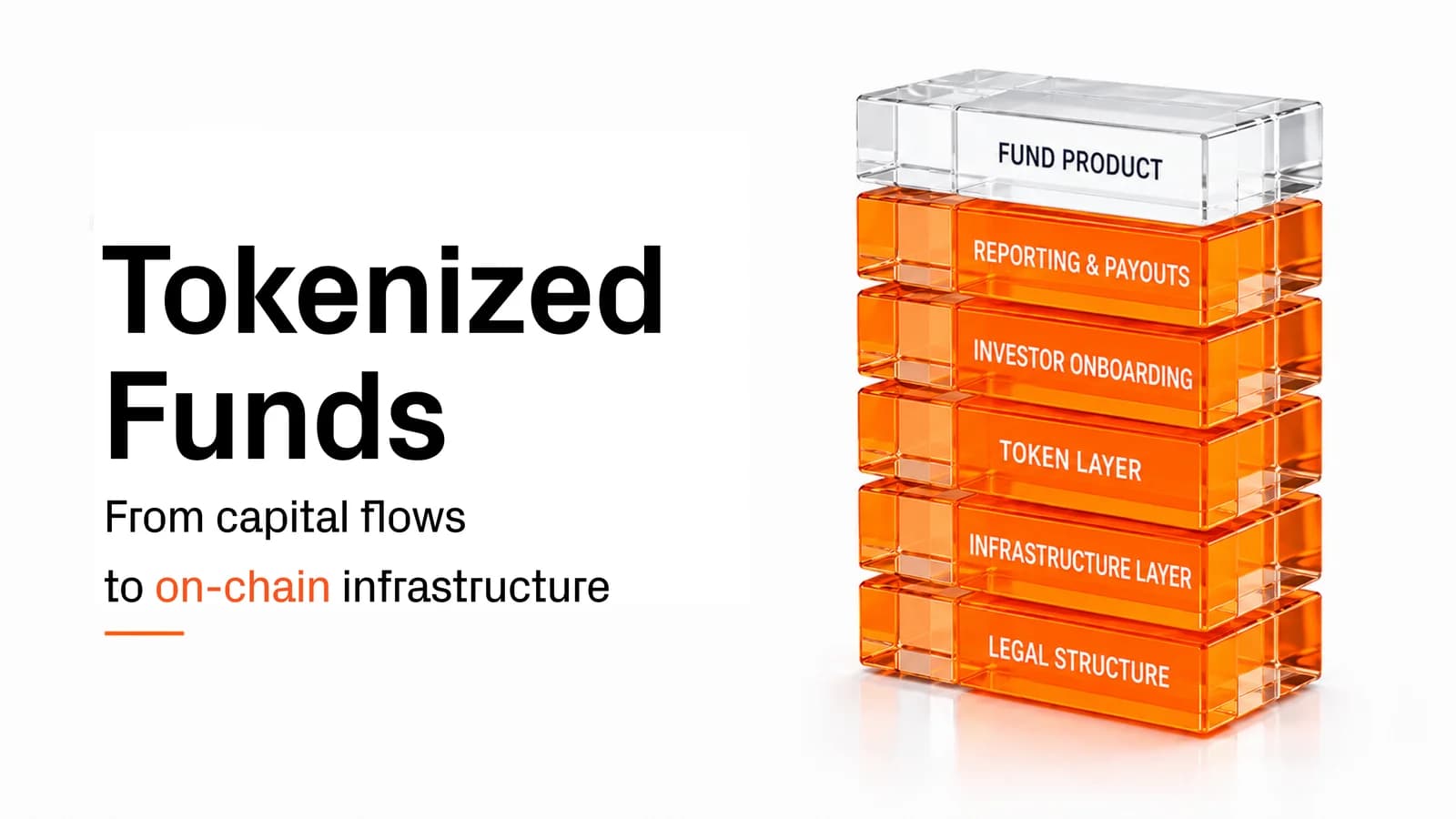
Tokenized rent relies on a specialized infrastructure layer that bridges traditional real estate with blockchain efficiency. For Rent Cashflow Tokens analysis, understanding this stack is essential because it dictates how yield is generated, distributed, and secured. The architecture typically spans three critical components: the blockchain network, the smart contract standard, and the oracle/custody mechanisms that handle off-chain cash flow.
Blockchain selection and smart contract standards
The choice of blockchain affects transaction speed, cost, and regulatory compliance. While Ethereum offers deep liquidity, its gas fees can erode small rental yields. Many tokenized real estate projects prefer Layer 2 solutions or specialized chains like Polygon or Avalanche for lower costs and faster finality.
Smart contracts enforce the tokenization rules. Standards like ERC-3643 (formerly T-REX) and ERC-1400 are designed for security tokens. They embed compliance directly into the token, ensuring that only verified investors can hold or transfer units. This "compliance-by-design" approach is vital for Rent Cashflow Tokens analysis as it mitigates regulatory risk and simplifies investor onboarding.
Oracle feeds and custody solutions
Rent payments originate off-chain, requiring oracles to bridge the data to the blockchain. Reliable oracle feeds verify that rent has been received and trigger automatic distribution of yields to token holders. This automation removes manual processing errors and ensures timely payouts.
Custody solutions secure the underlying real estate assets and the cash reserves. Institutional-grade custodians hold the legal titles and bank accounts, while the smart contracts manage the digital shares. This separation of duties ensures that the physical asset is protected while the digital token remains liquid and tradable.
Comparing top rent cashflow token platforms
Choosing the right platform for rent cashflow tokens analysis depends on balancing yield expectations with liquidity needs and jurisdictional comfort. While all platforms tokenize real estate income, their structures differ significantly in how they handle investor entry, secondary market access, and regulatory compliance.
RealT remains the most established player, offering fractional ownership in US-based properties with daily liquidity on their secondary market. Propy focuses on cross-border transactions and blockchain-based title transfers, appealing to international investors. Tokenized REITs, such as those offered by Securitize or Polymath, bundle properties into regulated funds, offering higher minimums but potentially lower fees and greater regulatory protection.
The following table breaks down the key metrics for direct comparison. Note that yields fluctuate with market conditions, and liquidity varies by platform maturity.
| Platform | Avg. Yield | Min. Investment | Liquidity | Jurisdiction |
|---|---|---|---|---|
| RealT | 5-9% | $25 | Daily (Secondary Market) | US (SEC Regulated) |
| Propy | Varies | $1,000+ | Low (OTC/Secondary) | Global (Varies) |
| Tokenized REITs | 4-7% | $10,000+ | Quarterly/Annual | US (Regulated Funds) |
| Lofty AI | 6-10% | $50 | Daily (Secondary Market) | US (SEC Regulated) |
Calculating real yield vs advertised APY
Advertised APY on rent cashflow tokens is often a gross figure that ignores the friction of onchain operations. To perform accurate rent cashflow tokens analysis, you must strip away platform fees, gas costs, and volatility to see the actual net return. This approach shifts the focus from marketing numbers to the strategy of sustainable yield.
Start by locating the fee schedule for the specific token protocol. Look for management fees, performance fees, and any token-burning mechanisms that reduce the distributable yield. These costs are usually listed in the smart contract documentation or the platform’s whitepaper. Subtract these percentages from the gross rental income to find the net distributable amount.
Onchain yields are frequently distributed via transactions that require gas. If you are on a high-fee network like Ethereum mainnet, these costs can eat into small yields significantly. Check the average gas price for the network at the time of distribution. Treat this as a recurring operational expense that reduces your effective annual percentage yield.
Many rent cashflow tokens pay out in stablecoins, but the underlying real estate value or the stablecoin peg itself can fluctuate. If the token pays in a volatile asset, calculate the yield in USD at the time of distribution, not just in the token count. This adjustment protects you from inflation risk or stablecoin de-pegging events that erode purchasing power.
Ensure the yield source is backed by verified oracle data that confirms actual rent collection. Check the liquidity depth of the token on decentralized exchanges. Low liquidity can lead to high slippage when you try to exit, effectively lowering your realized yield. A robust strategy requires confirming that the onchain data matches the offchain reality of the property.
By applying these adjustments, you move from speculative yield chasing to a grounded analysis of net income. This method ensures your investment strategy is built on transparent, verified data rather than optimistic projections.
The high-stakes reality of rent cashflow tokens
Rent cashflow tokens analysis requires a clear-eyed view of the risks involved. This asset class sits at the intersection of traditional real estate and untested blockchain infrastructure. The stakes are high because you are betting on two volatile systems simultaneously.
Regulatory uncertainty remains the primary headwind. Real estate is heavily regulated, and tokenizing these assets often lands in legal gray areas. If a jurisdiction changes its stance on security tokens, the liquidity of your investment could vanish overnight. You need to verify the legal structure of each platform before committing capital.
Smart contract risk is the second major hurdle. Unlike a physical deed, a token relies on code. Bugs or exploits in the underlying protocol can lead to total loss of funds. While audits help, they are not guarantees. Treat the code as a potential liability, not just a feature.
Finally, these tokens do not exist in a vacuum. They are tethered to the broader real estate market. If property values drop or rental income falls, the token price reflects that reality. There is no magic buffer against a housing downturn. You are essentially buying a leveraged position on local real estate performance, wrapped in a digital wrapper.
Frequently asked questions about rent tokens
How to analyze a rental property for cash flow?
Cash flow is the net money remaining after all property expenses and mortgage payments are deducted from rental income. To analyze this accurately, subtract total operating costs—including taxes, insurance, and maintenance—from the gross rent. For rent cashflow tokens, this same principle applies: you must verify that the underlying property generates sufficient net operating income (NOI) to cover debt service and distribute yields to token holders.
Are rent cashflow tokens safer than direct real estate ownership?
Tokens generally offer lower capital entry points and greater liquidity than buying physical property, but they introduce smart contract and platform risks. Direct ownership gives you control over property management and tax benefits, while tokenization shifts operational responsibility to the issuer. Investors should compare the issuer’s track record and legal structure against the convenience of fractional ownership.
How do I calculate the return on a rent token?
Returns depend on the token’s yield distribution schedule and secondary market price. Calculate your annualized yield by dividing the annual dividend per token by your purchase price. Unlike physical rentals, you cannot force appreciation or refinance; your return is strictly tied to the property’s cash flow and the token’s market valuation.
Can I lose money if the property is vacant?
Yes. Most rent cashflow tokens distribute yields only when the underlying property generates income. If vacancies rise or expenses increase, distributions may be reduced or paused. Always review the token’s prospectus to understand how cash reserves are managed during downturns.
Helpful gear
Use these product recommendations as a starting point, then choose the size, material, and price point that fit how you actually use the gear.


As an Amazon Associate, we may earn from qualifying purchases.
No comments yet. Be the first to share your thoughts!