What rent cashflow tokens actually are
Rent cashflow tokens represent a specific slice of the real estate pie: the right to receive rental income, rather than ownership of the land or building itself. When you buy a tokenized rental stream, you are purchasing a financial claim on the rent collected from a property. This distinguishes it sharply from traditional real estate equity, where you own a share of the asset’s appreciation and bear the burden of property management, or pure debt instruments like mortgages, where you are a lender waiting for principal and interest payments.
Think of it as buying the toll booth rather than the highway. You aren’t responsible for paving the roads or fixing the signs (property maintenance and capex); you simply collect the fees from the cars passing through. In the tokenized world, smart contracts automate this collection, distributing the net rental income to token holders on a predictable schedule, usually monthly or quarterly.
This structure creates a hybrid asset. It offers the yield characteristics of a bond or a dividend stock but is backed by the tangible utility of physical real estate. The value of these tokens is primarily driven by the stability and growth of the underlying rental income, not by speculative flips or broad market appreciation. For investors, this means the risk profile is closer to fixed-income securities than to volatile real estate development projects.
However, the "rent-only" focus introduces unique risks. If the property sits empty, the cashflow stops. Unlike a diversified equity REIT that might offset a vacancy in one unit with gains elsewhere, a single-property rent cashflow token is exposed to specific vacancy risks. You are effectively underwriting the tenant’s ability to pay rent, mediated by the property manager’s efficiency.
To understand the mechanics, it helps to look at how the income is calculated. Cash flow is the amount of money an investment generates each month through rent after considering the property's expenses. To determine cashflow, you subtract the total operating costs and mortgage payment from the total rental income value. In a tokenized environment, these calculations are transparent and often updated in real-time on-chain, allowing investors to see exactly how much net income is being generated before distribution.
This transparency is a key advantage over traditional private real estate deals, where reporting can be quarterly or annual and opaque. With rent cashflow tokens, the flow of money is programmable and auditable, reducing the information asymmetry that often plagues private market investments.
The infrastructure behind tokenized rent
Tokenizing a rental property isn't just slapping a digital label on a physical deed. It requires a technical stack that bridges the gap between off-chain assets and on-chain liquidity. The goal is to replicate the traditional cash flow lifecycle—collecting rent, paying expenses, and distributing profits—within a smart contract environment.
At the core of this system is the Special Purpose Vehicle (SPV). The SPV holds the legal title to the property, insulating it from the issuer's other liabilities. When you buy a rent cashflow token, you aren't buying the building directly; you own a share of the SPV that owns the building. This structure is critical for legal enforceability, ensuring that rental income can be legally assigned to the token holders.
Smart contracts automate the distribution of these cash flows. Once the SPV receives rent from tenants, the funds are transferred to a designated wallet. The smart contract then calculates each token holder's share based on ownership percentage and automatically distributes the payments to their wallets. This eliminates the need for manual accounting and reduces the friction of cross-border payments.
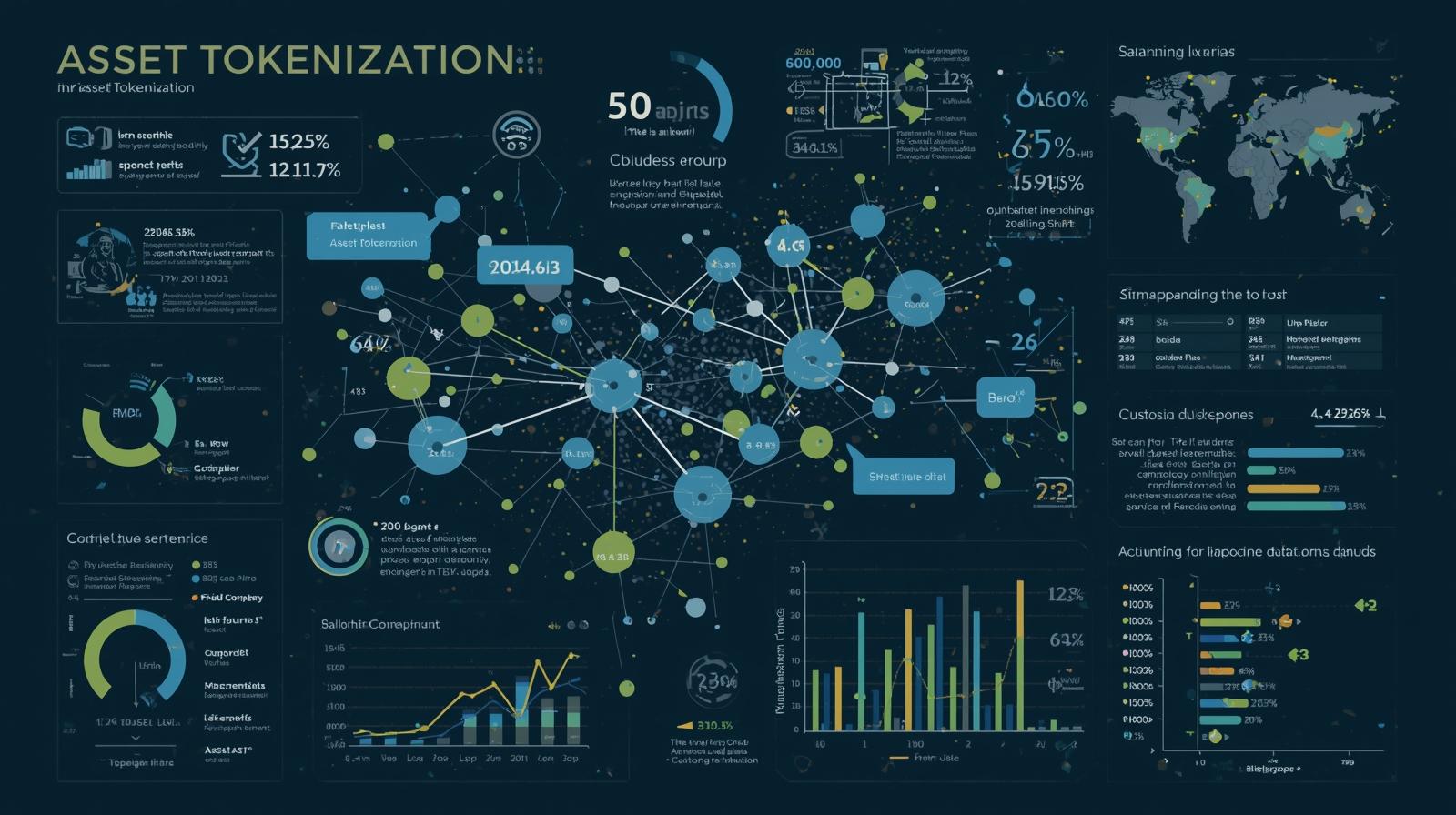
The technical architecture also includes oracles, which act as the bridge between the physical world and the blockchain. These services verify that rent has been paid, that expenses have been incurred, and that the property's condition hasn't deteriorated significantly. Without reliable oracles, the smart contract cannot trust the data it receives, rendering the entire tokenization effort void.
Finally, the legal wrapper must align with the technical implementation. If the SPV structure is not properly documented, or if the smart contract code contains vulnerabilities, investors could lose their entire stake. The infrastructure is only as strong as its weakest link—whether that's a legal loophole, a coding error, or an oracle failure.
Comparing Major Rent Cashflow Token Platforms
The onchain real estate sector has fragmented into several competing protocols, each offering different trade-offs between yield, liquidity, and regulatory protection. Unlike traditional REITs, these platforms tokenize physical assets, meaning your ownership is tied to specific properties rather than a diversified fund. This structure amplifies both the potential for stable cash flow and the risks associated with property-specific performance.
When evaluating platforms, you must look beyond the headline APY. A high yield often signals higher leverage, lower-quality assets, or restricted liquidity. The most robust platforms prioritize regulatory compliance and transparent property management, ensuring that rental income actually reaches token holders. Below is a comparison of the leading contenders in the space, focusing on the metrics that directly impact your net returns.
| Platform | Est. APY | Min. Investment | Liquidity Terms | Regulatory Base |
|---|---|---|---|---|
| RealT | 5-8% | $50 | Secondary market, 24/7 | US (Wyoming LLCs) |
| Lofty AI | 6-9% | $50 | Platform marketplace | US (LLC) |
| Propy | 4-7% | $10,000+ | Variable, OTC | Global (Varies) |
| Hypurrfied | 5-10% | $100 | Quarterly lockup | Singapore (SPV) |
RealT stands out for its granular ownership model, allowing investors to buy single shares in individual properties. This approach provides direct exposure to specific markets but requires more due diligence on property management. Lofty AI offers a similar model with a more streamlined user interface, though its liquidity depends entirely on its internal marketplace. Propy focuses on larger, institutional-grade transactions, often involving whole-property purchases rather than fractional shares, which suits high-net-worth investors seeking direct title ownership. Hypurrfied operates primarily in the Asian market, offering higher yields but with stricter liquidity constraints and different regulatory frameworks.
The choice of platform should align with your risk tolerance and investment horizon. If you prioritize liquidity and small entry points, fractional platforms like RealT or Lofty AI are preferable. For larger capital allocations seeking direct title benefits, Propy may be more suitable. Always verify the current yield and terms directly on the platform, as these metrics fluctuate with market conditions and property performance.
Calculating yield and hidden costs
Rent cashflow tokens analysis requires you to look past the headline yield. The number you see on a listing page is rarely the number that hits your bank account. To perform a rent cashflow tokens analysis that actually protects your capital, you must separate gross yield from net yield and account for the hidden fees that eat into your monthly income.
Start with the simplest metric: gross yield. This is your annual rental income divided by the property’s purchase price. It gives you a quick snapshot of the asset’s earning power before any expenses are deducted. Use this as a baseline to filter out underperforming assets quickly, but do not mistake it for profit.
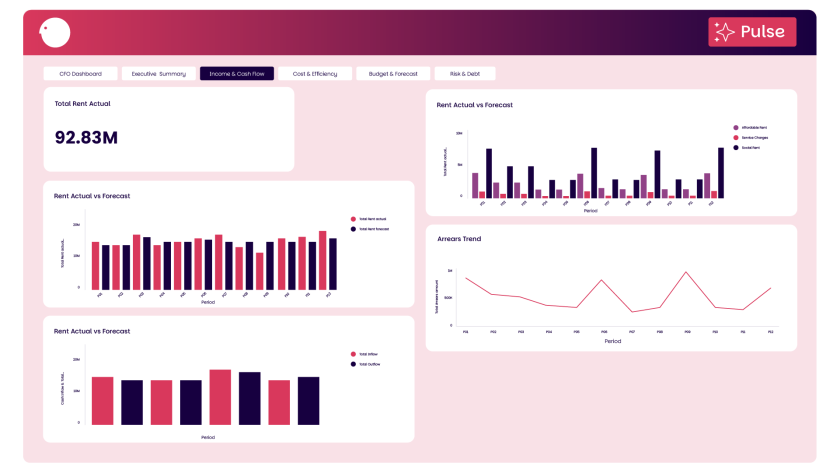
Net yield is the only number that matters for cash flow. Subtract property management fees, maintenance reserves, insurance, property taxes, and vacancy rates from your gross income. If the platform does not provide a detailed expense breakdown, assume a 30-40% reduction from gross yield. This buffer protects you from unexpected repair bills or periods without tenants.
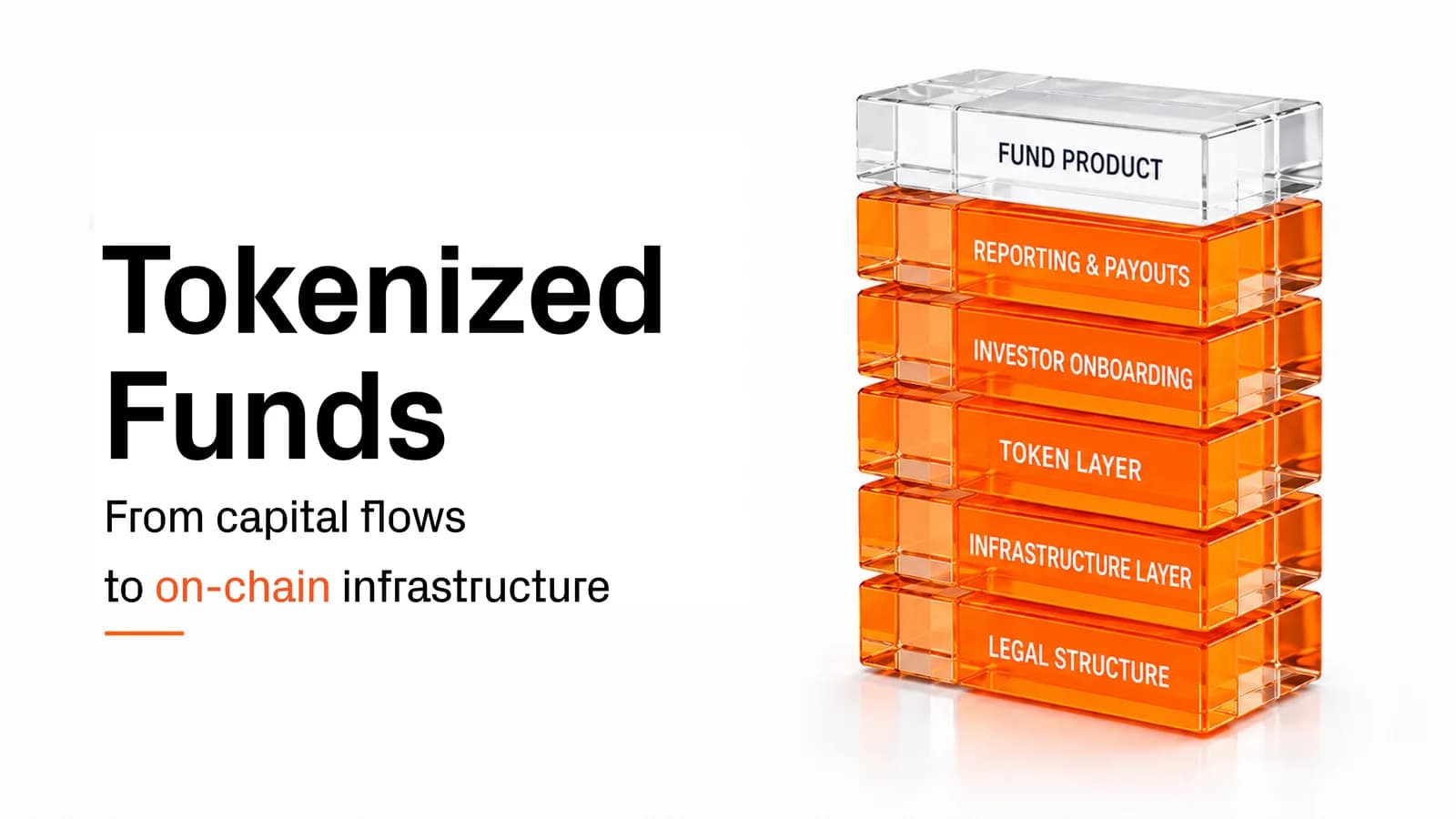
Onchain real estate has unique costs that traditional real estate does not. Look for platform management fees, smart contract gas fees during rebalancing, and secondary market trading fees. These costs are often opaque. A 1-2% annual platform fee can significantly drag down your compound returns over time. Always check the terms of service for any hidden exit fees.
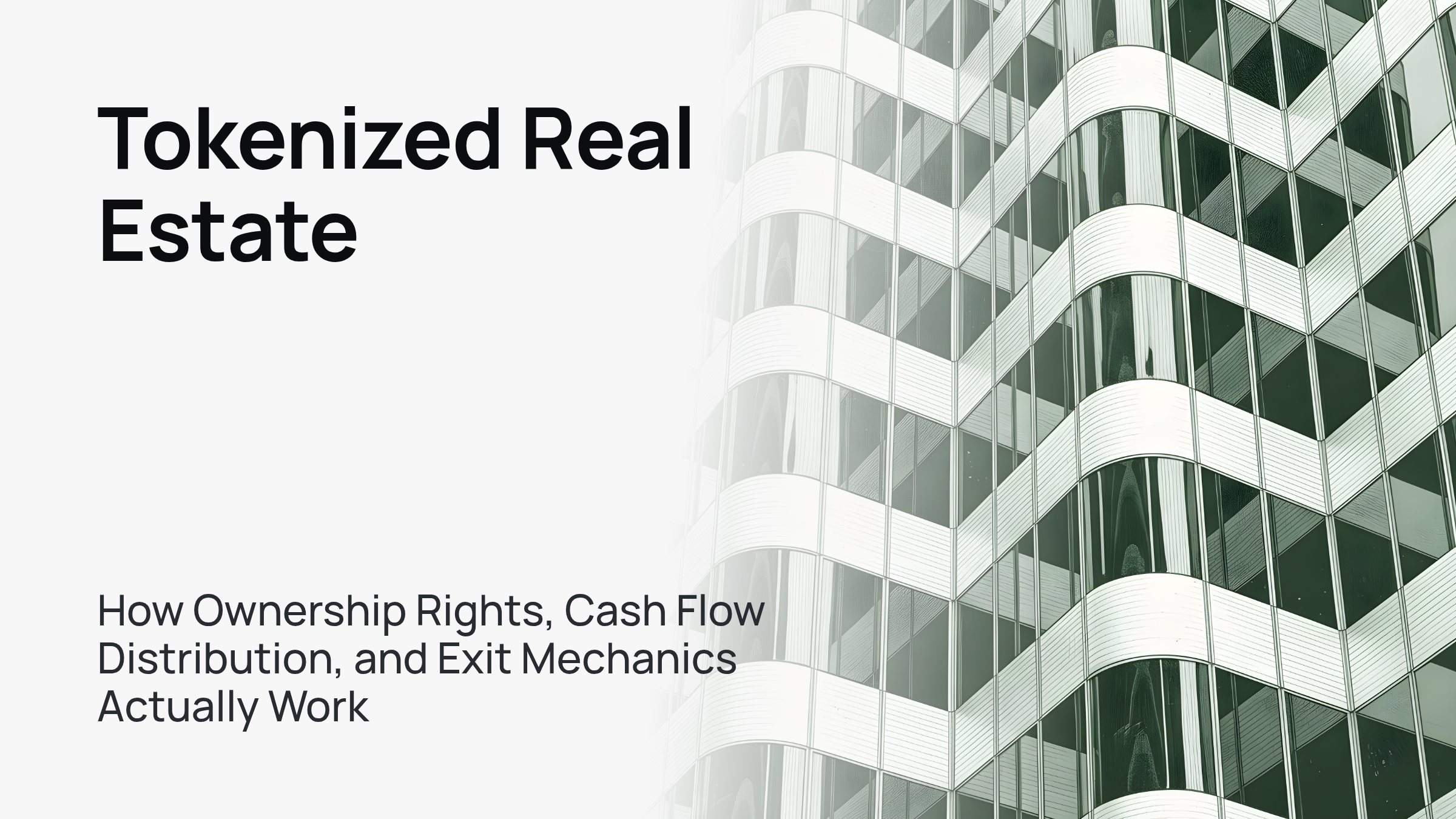
Once you have subtracted all operating and platform costs, you have your true net cash flow. This is the actual money that should be distributed to token holders. If the net yield is lower than the risk-free rate (like a Treasury bill), the tokenized asset may not be worth the liquidity risk. Ensure the projected distribution covers your cost of capital.
Market risks and regulatory outlook
Rent cashflow tokens sit at the intersection of blockchain innovation and traditional real estate economics. While the promise of fractional ownership and higher yields is compelling, the asset class carries distinct risks that investors must understand before committing capital. The price of a token is not just a reflection of blockchain sentiment; it is tethered to the physical value of the underlying property.
Smart contract and operational vulnerabilities
Unlike traditional REITs, where professional managers handle maintenance and tenant relations, tokenized assets rely on smart contracts to automate distributions. These code-based agreements are immutable once deployed, meaning any bug or vulnerability can lead to permanent loss of funds or frozen distributions. Also, the "oracle problem"—ensuring off-chain data like property valuations and rental income accurately reflects on-chain prices—remains a persistent technical hurdle.
Real estate correlation and liquidity traps
Token prices often correlate with broader real estate market trends, but they can also suffer from liquidity mismatches. During market downturns, the secondary market for real estate tokens may dry up, leaving investors unable to sell without significant discounts. This illiquidity contrasts sharply with public REITs, which can be traded instantly on major exchanges. Investors must recognize that owning a token does not guarantee the ability to exit a position quickly.
Regulatory uncertainty
The regulatory landscape for security tokens is evolving rapidly. In the United States, the SEC has recently intensified scrutiny of unregistered securities, including many real estate token offerings. Compliance with securities laws, such as accreditation requirements and transfer restrictions, adds complexity and cost. Investors should monitor regulatory developments closely, as new rules could restrict trading or alter the fundamental structure of these investment vehicles.
Technical outlook
The performance of real estate token indices often mirrors broader real estate market trends. Below is a technical chart showing recent price action for a representative real estate index, which serves as a proxy for the broader sector's health.
Frequently asked questions about tokenized rent
How do I calculate cash flow for tokenized real estate?
Cash flow is the net amount of money an investment generates each month from rent after all expenses are paid. To determine this, subtract total operating costs and any debt service from the total rental income. In tokenized structures, this net yield is often distributed directly to token holders on-chain, providing a transparent view of profitability that traditional private placements may obscure.
What happens to my tokens if I need to sell quickly?
Liquidity is a primary advantage of tokenization, but it is not guaranteed. Unlike publicly traded stocks, tokenized real estate often trades on secondary markets with thinner volume. You may face lock-up periods or price slippage if you attempt to exit during low-activity windows. Always review the platform’s secondary market rules and historical trading volume before committing capital.
How are rent distributions taxed?
Tax treatment depends on your jurisdiction and whether the token is structured as a security or a pass-through entity. In many cases, distributions are treated as ordinary income, while capital gains apply if the token appreciates and is sold. Because regulations vary significantly, consult a tax professional familiar with digital assets and real estate to ensure compliance and optimize your reporting.
Helpful gear
Use these product recommendations as a starting point, then choose the size, material, and price point that fit how you actually use the gear.


As an Amazon Associate, we may earn from qualifying purchases.
No comments yet. Be the first to share your thoughts!