What rent cashflow tokens actually are
Rent cashflow tokens strategy involves buying digital shares of physical rental properties rather than gambling on speculative crypto assets. These tokens are equity-like instruments backed by real-world assets (RWA), specifically brick-and-mortar buildings. When you hold a token, you own a fractional piece of the property, and that ownership entitles you to a proportional share of the monthly rent collected from tenants.
This structure fundamentally changes how you interact with real estate. Instead of buying a whole house, you buy a token on a blockchain. The platform manages the property, handles repairs, and collects rent. That cash is then distributed to token holders, usually in stablecoins or cryptocurrency, on a regular schedule. This creates a passive income stream similar to a REIT (Real Estate Investment Trust), but with the liquidity and transparency of blockchain technology.
The primary appeal is accessibility. Traditional rental properties require large down payments and significant management effort. Rent cashflow tokens allow you to start with small amounts of capital, diversify across multiple properties, and receive yields directly from the underlying real estate. This strategy shifts the focus from speculative price appreciation to consistent, tangible cash flow generated by tenants paying rent on real buildings.
How onchain rent distributions work
A rent cashflow tokens strategy relies on a clear chain of custody that moves money from the tenant to your wallet. The process replaces traditional checks and bank transfers with smart contracts that automate the flow. When a tenant pays rent, the funds follow a predetermined path through legal entities and onto the blockchain, where they are distributed to token holders.
1. Tenant payment to property manager
The cycle begins when a tenant pays monthly rent. In a tokenized structure, this payment goes to a licensed property management company. This entity handles maintenance, tenant relations, and collection. The manager does not keep the funds; they act as an intermediary, collecting the cash and preparing it for the next step in the distribution chain. This step mirrors traditional real estate but adds a layer of digital accountability.
2. Transfer to the legal wrapper
The property manager transfers the collected rent to a Special Purpose Vehicle (SPV). An SPV is a separate legal entity created to hold the specific property. This structure isolates the asset from the developer or platform, providing a layer of legal protection. The SPV receives the fiat currency and holds it in a dedicated bank account. This ensures that the rent is legally tied to the property and ready for distribution to the token owners.
3. Smart contract triggers the conversion
Once the SPV confirms receipt of the rent, it triggers a smart contract. This code automatically converts the fiat currency into a stablecoin, such as USDC. This conversion happens on-chain, ensuring that the value is liquid and ready for immediate distribution. The smart contract verifies that the correct amount has been received from the SPV before initiating the payout. This step removes the need for manual currency exchange or delayed bank settlements.
4. Distribution to token holders
The final step is the distribution of yield to token holders. The smart contract sends the stablecoin yield directly to the wallets of everyone holding the property’s tokens. This happens automatically, usually on a monthly basis. There is no need to file paperwork or wait for a check to clear. You receive your share of the rent in your digital wallet, maintaining full control and visibility over your cashflow tokens strategy.
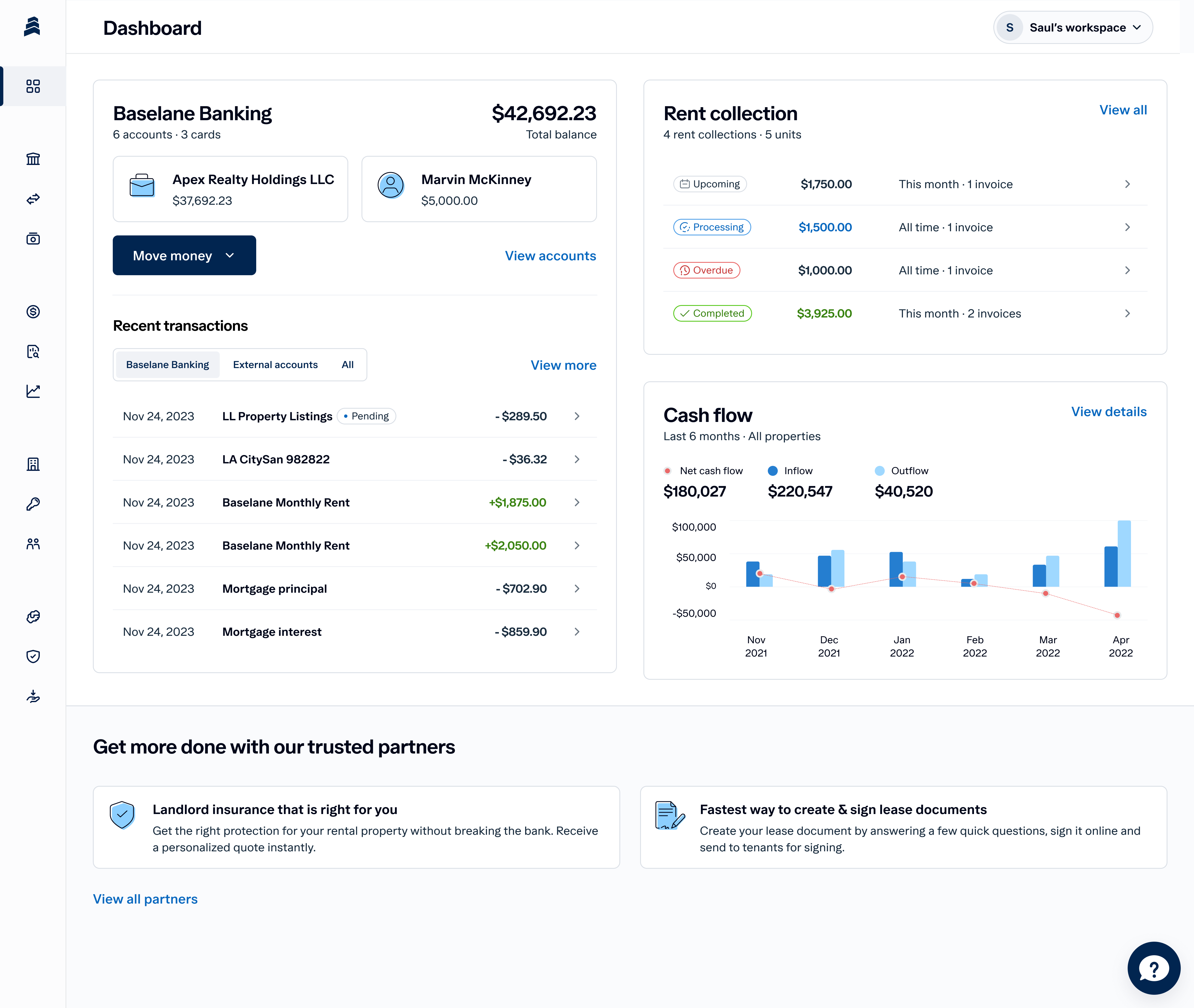
The tenant submits monthly rent to the property management company. The manager collects the funds and prepares them for transfer to the legal entity holding the property.
The property manager transfers the collected rent to the Special Purpose Vehicle (SPV). The SPV holds the asset in a separate legal entity, isolating risk and ensuring funds are secured.

The SPV triggers a smart contract that converts the fiat rent into a stablecoin like USDC. This on-chain conversion ensures liquidity and prepares the yield for immediate distribution.
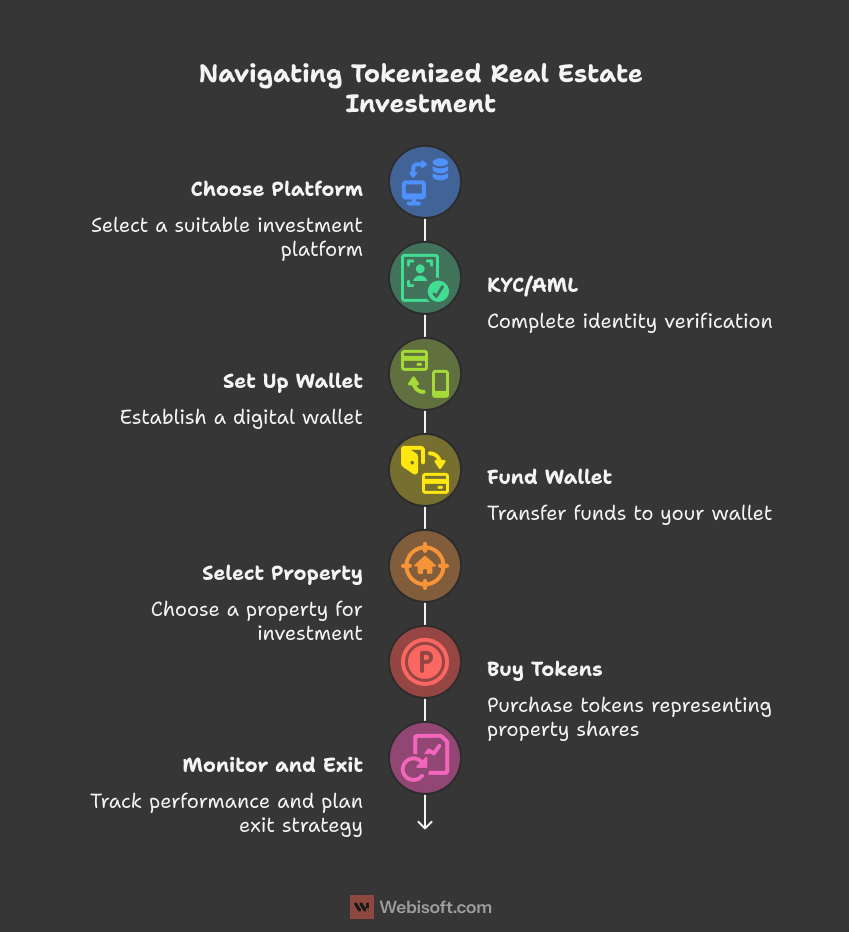
The smart contract automatically sends the stablecoin yield to all token holders. This automated process delivers your share of the rent directly to your wallet without manual intervention.
This mechanical flow ensures that your rent cashflow tokens strategy is transparent and efficient. By removing intermediaries and automating payouts, the system reduces friction and provides real-time visibility into your income. The result is a more direct connection between the property’s performance and your wallet.
Comparing top tokenized real estate platforms
Choosing a platform for your rent cashflow tokens strategy depends on how you want to balance yield, accessibility, and regulatory safety. While traditional real estate requires significant capital and hands-on management, tokenized platforms offer fractional ownership with automated rent distribution. However, the mechanics vary significantly between providers.
RealT stands out for its low barrier to entry, allowing investors to start with as little as $10. It primarily focuses on US-based properties, offering a familiar jurisdiction for domestic investors. Returns are distributed monthly in USDC, providing a steady stream of passive income that aligns directly with the rent cashflow tokens strategy. The platform handles property management, which reduces the operational burden on token holders.
Lofty Real Estate takes a slightly different approach by targeting higher-yield markets in the United States and expanding into other jurisdictions. With a minimum investment of $500, Lofty offers a more curated selection of properties, often focusing on areas with strong rental demand. Investors receive monthly distributions, but the platform also emphasizes liquidity through its secondary marketplace, allowing for easier entry and exit compared to holding physical deeds.
Tokenizer is a broader infrastructure provider that enables various real estate funds and platforms to tokenize assets. Unlike RealT or Lofty, which are direct-to-consumer platforms, Tokenizer often serves as the backend for institutional-grade real estate funds. This means investors might access tokenized real estate through partner platforms rather than directly on Tokenizer’s main interface. Yields can vary widely depending on the specific fund or property pool, often reflecting the higher minimums and more sophisticated risk management of institutional products.
The following table compares these platforms based on key metrics relevant to your rent cashflow tokens strategy.
| Platform | Min. Investment | Est. Yield Range | Primary Jurisdiction | Liquidity |
|---|---|---|---|---|
| RealT | $10 | 5-10% | US | Secondary Market |
| Lofty | $500 | 6-12% | US/Global | Secondary Market |
| Tokenizer | Varies | Varies | EU/Global | Fund/Platform Specific |
Each platform carries different risk profiles. RealT and Lofty are regulated under US securities laws, offering investor protections that may be appealing for conservative strategies. Tokenizer’s ecosystem is more diverse, with some funds operating under EU regulations, which may offer different tax or legal implications. Always verify the specific offering’s regulatory status and property location before committing capital.
Yield drivers and market risks in 2026
Building a rent cashflow tokens strategy requires looking past the headline yield percentage. The actual income you receive is the net result of three competing forces: the cost of capital, the stability of property valuations, and the integrity of the smart contracts distributing those payments. In 2026, these variables are interacting in ways that make passive income less automatic and more mechanical.
Interest rates and borrowing costs
The cost of money remains the primary lever for real estate yields. When interest rates are high, the spread between what a property earns in rent and what it costs to finance shrinks. For tokenized assets, this often means lower initial yields as platforms adjust their acquisition strategies to maintain profitability.
If you are analyzing a rent cashflow tokens strategy, you must look at the underlying debt structure. Platforms like RealT often use LLC structures that may carry debt. High rates increase the risk of negative cash flow on those specific assets, which directly reduces the distributions sent to token holders. Even if the property itself is stable, the cost of servicing that debt eats into the net yield.
Property valuation adjustments
Real estate values are not static. They fluctuate based on local market conditions, vacancy rates, and broader economic sentiment. When property values drop, the equity cushion for tokenized assets shrinks. This can trigger margin calls on underlying loans or force platforms to raise additional capital to cover shortfalls.
Conversely, rising property values can create a false sense of security. A token might trade at a premium to its net asset value, meaning the yield on your purchase price is lower than the gross yield of the property. Always calculate yield based on your entry price, not the property's current appraised value. This distinction is critical for understanding the true risk-reward profile of your position.
Smart contract and operational risks
The "smart" in smart contracts introduces a layer of technical risk that traditional real estate does not have. While the property generates rent, the smart contract is responsible for converting that fiat currency into token distributions. Any bug, exploit, or governance failure in the contract can halt or redirect these payments.
Beyond code, there is operational risk. Who manages the property? Who collects the rent? If the off-chain entity fails to deposit funds, the on-chain token becomes worthless. Diversification across multiple platforms and properties is not just a yield strategy; it is a risk mitigation tactic against single-point failures in either the blockchain or the real world.
Building a Diversified Rent Cashflow Portfolio
A single property is a single point of failure. In tokenized real estate, you can replicate the stability of a traditional multi-unit portfolio with a fraction of the capital by spreading your exposure across multiple assets and platforms. This approach mitigates the risk of vacancy, local market downturns, or platform-specific technical issues.
The goal is to construct a rent cashflow tokens strategy that feels as robust as a brick-and-mortgage fund but operates with the liquidity of a crypto wallet.
Real estate is local. A vacancy in Detroit does not necessarily correlate with a downturn in Miami. When selecting tokens, prioritize assets in different metropolitan statistical areas (MSAs). This geographic spread ensures that a localized economic shock does not wipe out your entire cashflow stream. Aim for at least 5-7 distinct locations to smooth out volatility.
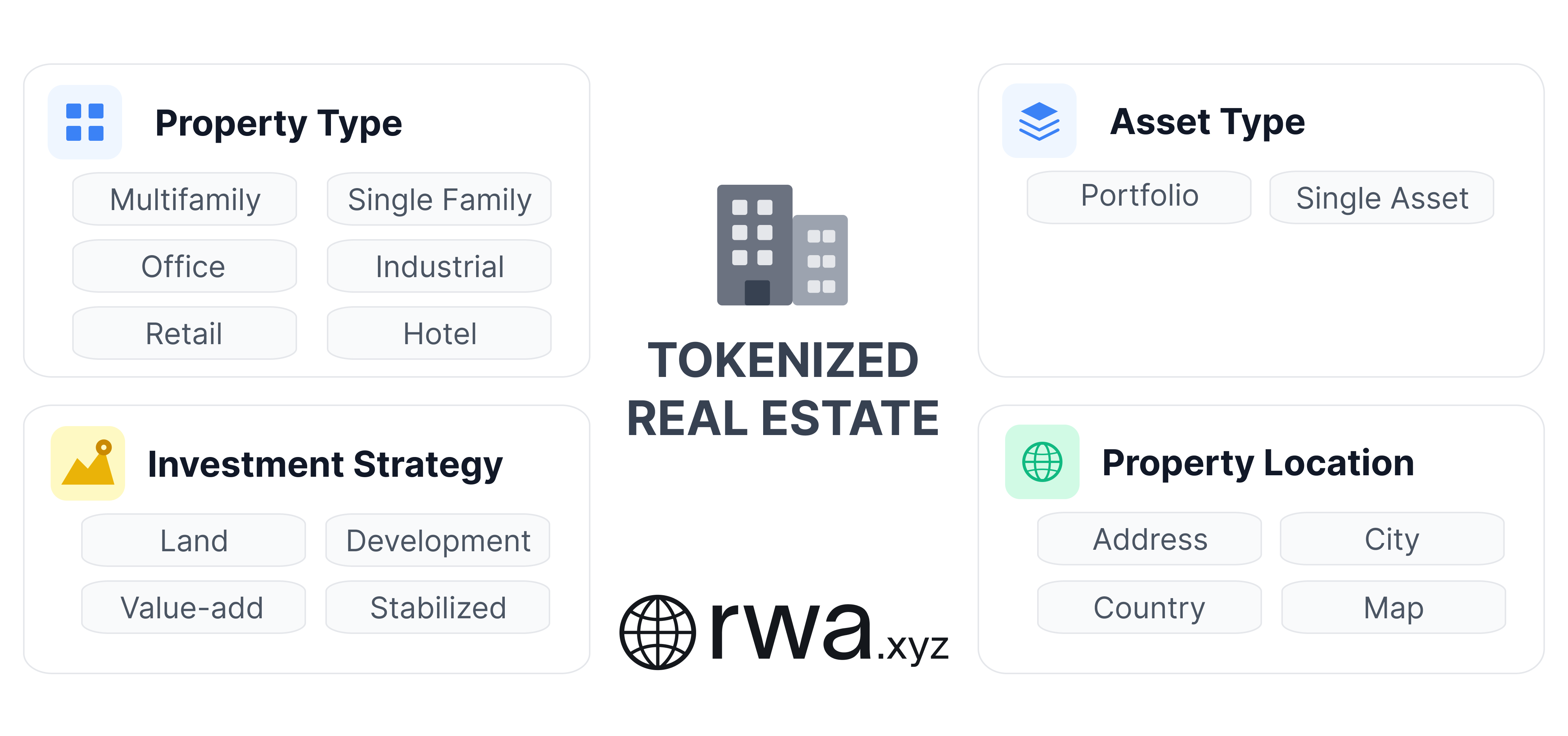
Do not put all your capital on one tokenization platform. Each platform has its own smart contract risks, legal structures, and operational histories. By distributing your holdings across two or three reputable providers, you reduce the impact of any single platform’s failure. Research their custody arrangements and legal wrappers before committing funds.
Not all tokens are created equal. Some generate yield from rent, while others may include speculative appreciation or complex fee structures. Focus on tokens that distribute net operating income (NOI) directly to holders. Review the platform’s fee schedule and distribution history to ensure the yield is consistent and transparent. Look for platforms that provide clear breakdowns of expenses versus gross rent.
By treating your token portfolio like a diversified fund, you transform speculative real estate bets into a steady income engine. This structure allows you to capture the benefits of tokenization—liquidity and fractional ownership—while minimizing the risks inherent in any single asset or platform.
Common questions about tokenized rent
How liquid are rent cashflow tokens?
Unlike traditional real estate, which can take months to sell, tokenized properties offer a faster exit path. However, liquidity is not guaranteed. Most platforms operate on secondary markets with varying volumes. If you need to exit a position, you are subject to available buyers and bid-ask spreads. Treat these tokens as medium-term holdings rather than instant cash equivalents.
How are rent distributions taxed?
Tax treatment depends on your jurisdiction and the token structure. In many cases, distributions are treated as ordinary income, similar to traditional rental dividends. You may also face capital gains tax when selling the tokens. Always consult a tax professional to understand how your specific rent cashflow tokens strategy aligns with local regulations.
What happens if the platform goes insolvent?
Platform insolvency is a distinct risk separate from the property’s performance. Reputable platforms like RealT hold properties in bankruptcy-remote special purpose vehicles (SPVs). This means the underlying asset is legally separated from the platform’s corporate liabilities. If the platform fails, the property remains intact, and token holders retain their ownership rights. Always verify the legal structure before investing.
No comments yet. Be the first to share your thoughts!